Physical AI Brings Warehouse Automation to 80% Left Behind
Modular systems that adapt in real time are making DTC fulfillment automation economically viable for mid-sized facilities.
An estimated 80% of warehouses remain unable to afford direct-to-consumer automation, locked out by systems that cost millions of dollars, require extensive facility redesigns, and take five to six years to generate positive returns. That gap is widening as omnichannel fulfillment becomes table stakes, forcing facilities to manage wholesale, retail replenishment, and DTC e-commerce under one roof.
The problem is architectural. Traditional warehouse automation was engineered for predictable pallets, predetermined workflows, and highly controlled environments. DTC e-commerce demands the opposite: single-item picking, constantly shifting order combinations, returns processing, and inventory that moves by the hour. The mismatch has left most operators choosing between prohibitively expensive infrastructure or manual labor.
Why it matters
Physical AI represents a fundamental shift in warehouse economics. By combining robotics with software that perceives surroundings and adapts to changing conditions, these systems eliminate the need for facility-wide redesigns. Modular deployments can operate in as little as 1,000 square feet, go live in seven days, and deliver ROI in under a year—making automation accessible to the mid-sized retailers and third-party logistics providers that traditional systems priced out of the market.
From Fixed Infrastructure to Adaptive Systems
Conventional automation excels at repetitive tasks in stable environments. Automated storage and retrieval systems move enormous volumes efficiently when operators know exactly what is moving and where it is going. E-commerce broke that model by introducing constant variability: individual items, changing order combinations, and unpredictable returns flows.
Physical AI addresses this through perception and real-time decision-making. Instead of executing predetermined tasks faster, these systems interact with individual items, optimize inventory access on the fly, and adjust as products and workflows change. The warehouse no longer has to be engineered around the automation; the automation adapts to the warehouse.
Modularity Solves the 3PL Economics Problem
For third-party logistics providers, traditional automation creates a particularly acute challenge. Expensive systems are typically purchased as part of a specific customer contract, tying the investment to one client and limiting use across the facility. To deploy automation across multiple customers, 3PLs must purchase systems themselves, taking on significant capital expenditure and the risk that customer mix or volumes will shift.
Modular systems allow 3PLs to purchase automation directly and leverage it across multiple clients, improving both ROI and return on assets. Standardized, flexible systems for e-commerce fulfillment and returns can be added to existing environments without warehouse-wide resets. Operators can expand as volumes increase rather than predicting needs years in advance.
Distributed Fulfillment Demands Smaller Footprints
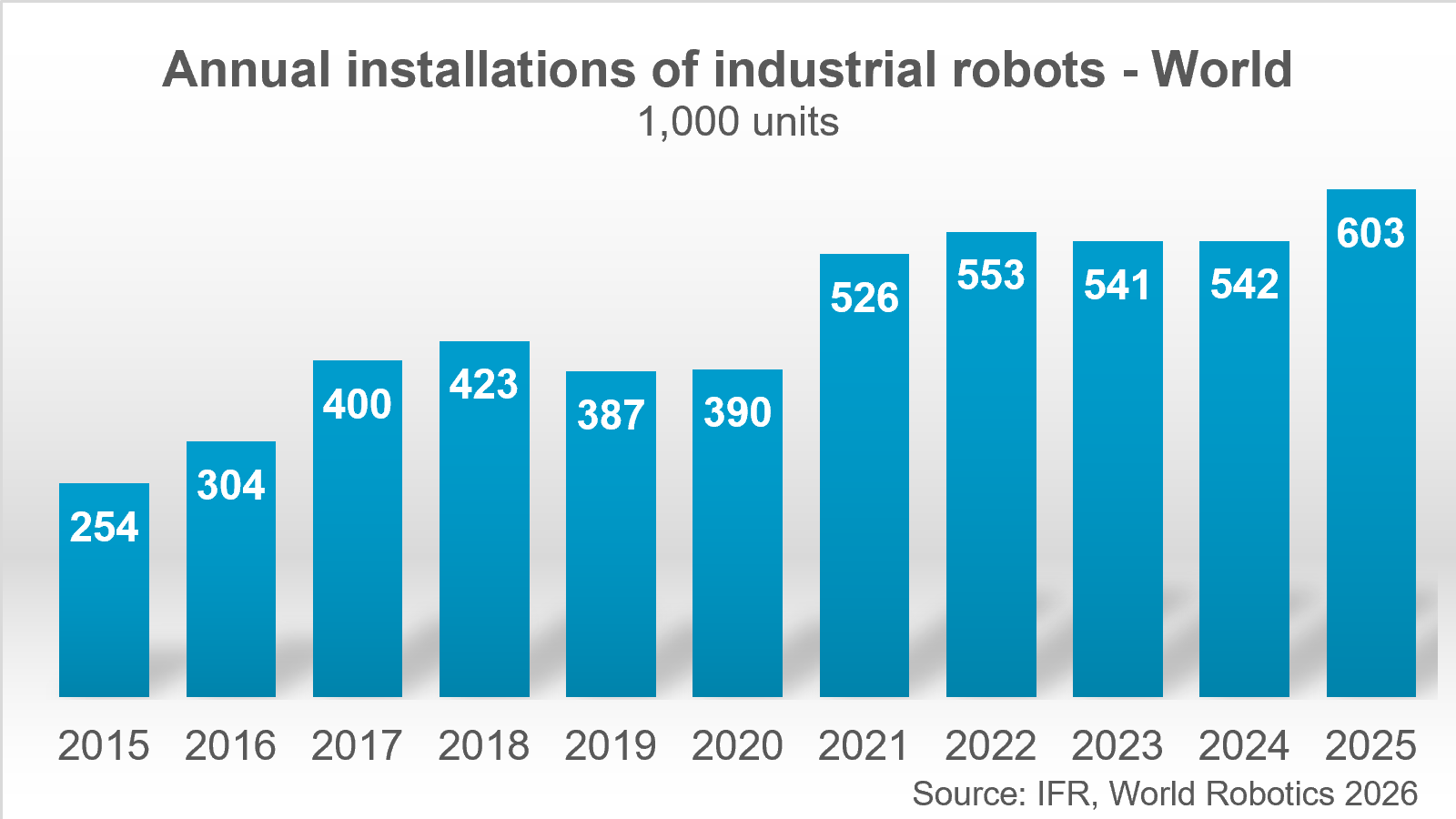
As e-commerce raises delivery speed expectations, retailers are distributing fast-moving inventory closer to consumer demand rather than relying exclusively on massive centralized fulfillment centers. That shift requires automation that is smaller, more flexible, and economical enough to deploy across distributed networks—not just inside the industry's largest facilities.
According to a 2026 MHI and Deloitte report, 72% of supply chain leaders categorize AI's impact as significant or transformational, making it the most disruptive technology in the sector. Robotics and automation ranked second, with 39% rating their impact as significant or greater, up 16 percentage points from 2025.
The warehouses that succeed will not necessarily deploy the most robots or the most complex infrastructure. They will be the ones with automation that keeps pace when work changes—and delivers unit economics that justify the investment.
These details were first reported by Global Trade Magazine in an article by Guy Glass, CEO at Unit AI, and Avi Barkay, Co-Founder.
This is an original analysis by the Omega editorial team. Source reporting: Automation Watch.
Want systems like this working for your business?
Book a Call