Oregon Mandates AI Safety Reviews, 'Kill Switch' Assessment
Governor Kotek's executive order requires third-party evaluations and emergency controls for state AI procurement amid federal inaction.
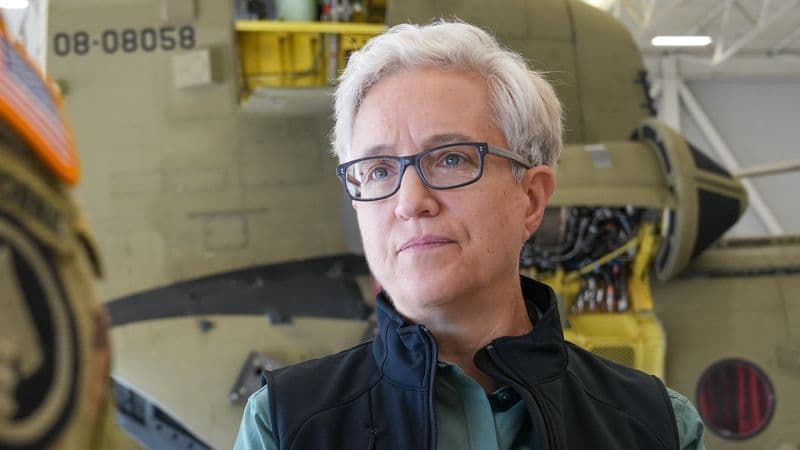
Oregon has become one of the first states to mandate formal safety evaluations for artificial intelligence systems purchased by government agencies, establishing procurement standards that include potential emergency shutdown capabilities.
Governor Tina Kotek signed Executive Order 26-26 on Wednesday, directing the state's chief information officer to create criteria for independent third-party AI safety reviews. The order also requires an assessment of whether Oregon should mandate "kill switch" mechanisms for frontier AI models used in state operations, according to KATU.
New procurement requirements
The executive order takes effect immediately and gives the state chief information officer 90 days to develop and submit an implementation proposal. Under the new directive, Oregon will establish formal standards for evaluating advanced AI systems before they can be deployed across executive branch agencies, boards, and commissions.
The governor's office emphasized that the order builds on existing policies already governing AI use in Oregon's executive branch, including requirements for risk management, human accountability, transparency, and oversight. Oregon previously established a Responsible AI Usage Policy for generative and agentic AI systems, along with an Artificial Intelligence Advisory Council that delivered its final action plan recommendations in February 2025.
Why it matters
Oregon's move reflects growing state-level action on AI governance as federal regulation remains uncertain. By requiring independent safety evaluations and exploring mandatory emergency controls, the state is creating a potential template for other jurisdictions grappling with how to oversee AI procurement. The emphasis on third-party reviews rather than vendor self-certification could influence how government agencies nationwide approach AI acquisition.
Federal gap drives state action
Kotek explicitly framed the executive order as a response to what she characterized as insufficient federal oversight. "While oversight and regulation would be strongest and most effective at the federal level, President Trump continues to dismiss the need for even the most basic guardrails," Kotek stated in the announcement. "States, in the meantime, must act with more urgency and do everything possible to manage how AI is impacting our communities."
The governor argued that states cannot rely solely on technology companies to establish their own safety standards. "I am committed to doing everything in my executive authority to put safeguards in place until the Oregon Legislature and Congress can pass comprehensive standards for AI companies that wish to bring their products to market here," she said.
Kotek will reassess whether the executive order remains necessary every three months. The order will remain in effect until the governor terminates it.
These details were first reported by KATU.
This is an original analysis by the Omega editorial team. Source reporting: AI Watch.
Want systems like this working for your business?
Book a Call