Stanford Removes AI-Altered Promotional Photo After Policy Breach
University admits using artificial intelligence to change students' races and appearances in dining hall image, violating its own guidelines.
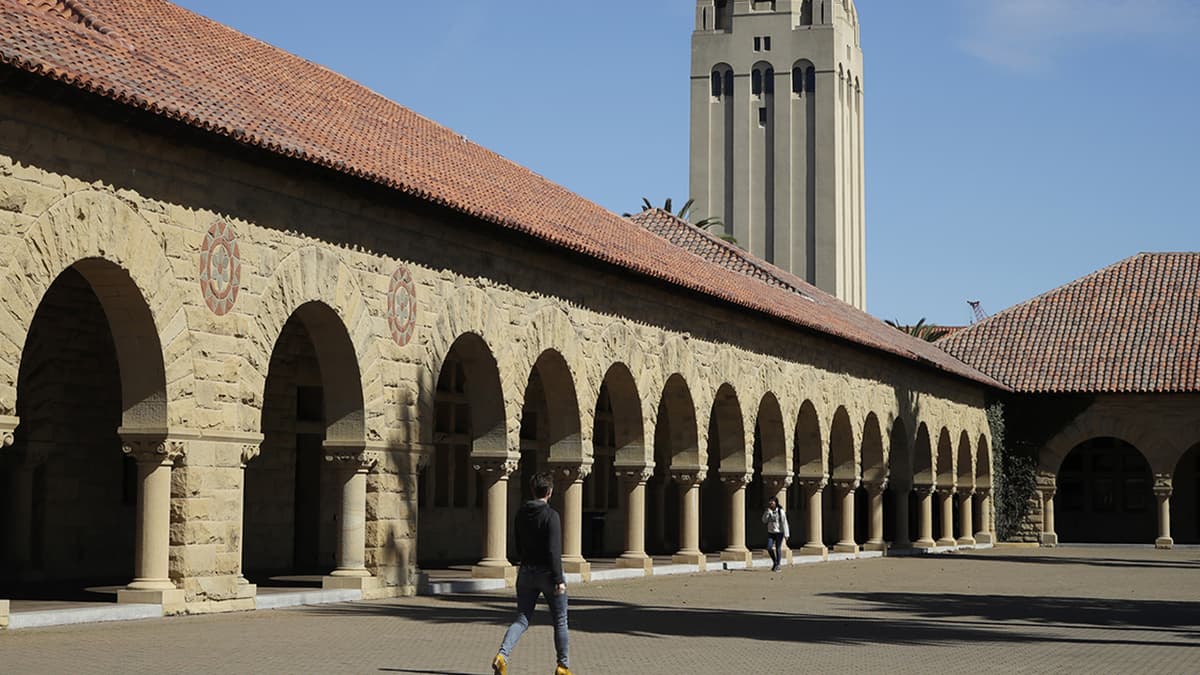
Stanford admits AI policy violation in promotional materials
Stanford University has removed promotional banners after confirming that artificial intelligence was used to alter a photograph of students, including changes to their race and physical appearance. The incident has prompted campus-wide criticism and raised questions about consent and authentic representation in university marketing.
The controversy began when students noticed significant differences between an original photograph taken in a Stanford dining hall and the version displayed in university materials. Most notably, a Hispanic student, Billy Ramirez, was entirely replaced with an AI-generated image of a Black female student. Other students in the photograph had their body shapes and facial features modified.
"I was also upset because I don't agree with Stanford making those choices about how we were represented," Ramirez told The Stanford Review, the campus newspaper that first reported the details.
University acknowledges breach of its own standards
Stanford's response came after the altered image spread rapidly across campus and social media. In an official statement, the university acknowledged that both the alterations and the failure to disclose AI use violated established policy.
"Stanford's AI policy is clear: The use of AI in producing or altering images of Stanford people, events, research, facilities, or achievements is strictly prohibited," the statement read. The university said it is working to provide additional staff training and implement proper review procedures for all materials.
The admission is particularly significant given Stanford's position as a leading research institution in artificial intelligence and its public commitment to diversity. Freshman Kavinder Patel noted the contradiction: "Stanford is a place that actually prides itself on having students from over 60 different countries in their incoming class. They have diversity and they shouldn't need to fabricate it."
Legal and ethical questions about consent
Zachary Henderson, an assistant professor of law at SMU Dedman School of Law, said the incident raises important questions about consent in AI-generated imagery. "As to the students whose body shape and faces were changed, if I were those students I would be thinking what was the consent that I actually gave and do I feel like I was harmed by the way I was depicted in those photographs," Henderson said.
Students interviewed expressed confusion about why AI alterations were necessary when authentic photographs of diverse students already exist. "I think it was weird because honestly there are pictures of people already out there so why change stuff like this with AI," said sophomore Viriana Estrada.
Why it matters
This incident illustrates how organizations can violate their own AI governance policies even as they publicly champion responsible AI use. For enterprises implementing AI guidelines, Stanford's misstep demonstrates that policy alone is insufficient—enforcement mechanisms, staff training, and approval workflows are essential to prevent unauthorized AI alterations that can damage trust and raise legal questions about representation and consent.
The details of this incident were first reported by KGO-TV (ABC7 News) in the San Francisco Bay Area.
This is an original analysis by the Omega editorial team. Source reporting: AI Watch.
Want systems like this working for your business?
Book a Call