Oklahoma Ethics Commission Explores AI Disclosure Rules for Political Ads
The state body is examining transparency requirements after complaints, but lacks emergency rulemaking power as governor threatens special session.
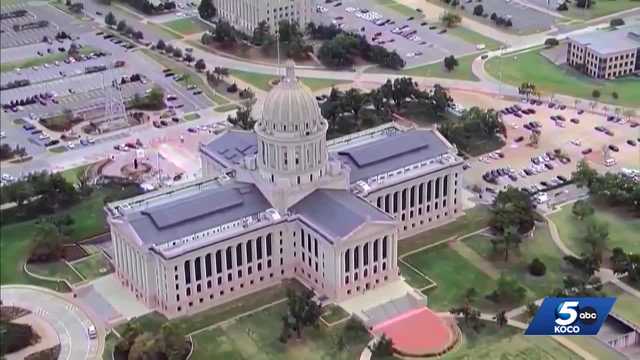
Oklahoma weighs AI transparency requirements
The Oklahoma Ethics Commission convened a special meeting Friday to examine how artificial intelligence is being deployed in political advertising, responding to complaints from both lawmakers and members of the public about the technology's use in campaigns.
Executive Director Lee Anne Bruce Boone told KOCO 5 that the commission reviewed regulatory approaches from more than 30 states that have already enacted AI-related political advertising rules. Texas, Utah, Minnesota, and Colorado were specifically cited as examples of states that have implemented such frameworks. Oklahoma currently has no regulations governing AI use in political communications.
Constitutional concerns shape approach
The commission's deliberations reflect a careful balancing act between transparency goals and First Amendment protections. Boone emphasized that while commissioners want to implement robust safeguards, they remain cautious about regulations that could be challenged as unconstitutional restrictions on speech content.
"The primary concern is disclosure right now," Boone said, indicating the commission's focus on requiring campaigns to identify AI-generated or AI-modified content rather than prohibiting specific uses of the technology.
This disclosure-first approach mirrors strategies adopted in several other states, where lawmakers have opted to mandate labeling of synthetic media rather than banning it outright.
Timeline and political pressure
Any action by the Oklahoma Ethics Commission will require time to implement, as the body lacks emergency rulemaking authority. This procedural limitation comes as Governor Kevin Stitt has publicly threatened to convene a special legislative session specifically to address what he characterized as AI misuse in political advertising.
Boone declined to comment on whether a special session would be appropriate, keeping the commission's focus on its own regulatory process.
Why it matters
As generative AI tools become more accessible and sophisticated, election officials nationwide are racing to establish guardrails before the 2024 and 2026 election cycles. Oklahoma's deliberations illustrate the tension states face between protecting electoral integrity and avoiding overly broad speech restrictions that courts might strike down. The commission's emphasis on disclosure rather than prohibition could become a template for other states still developing their regulatory frameworks, particularly in jurisdictions where constitutional challenges to content-based restrictions seem likely.
These details were first reported by KOCO 5 News.
This is an original analysis by the Omega editorial team. Source reporting: AI Watch.
Want systems like this working for your business?
Book a Call
