Nvidia CEO Rejects AI Slowdown Coordination, Antitrust Waivers
Jensen Huang says existing laws and engineering practices are sufficient as Anthropic's leader proposes coordinated frontier model development.

Nvidia chief opposes coordinated AI development limits
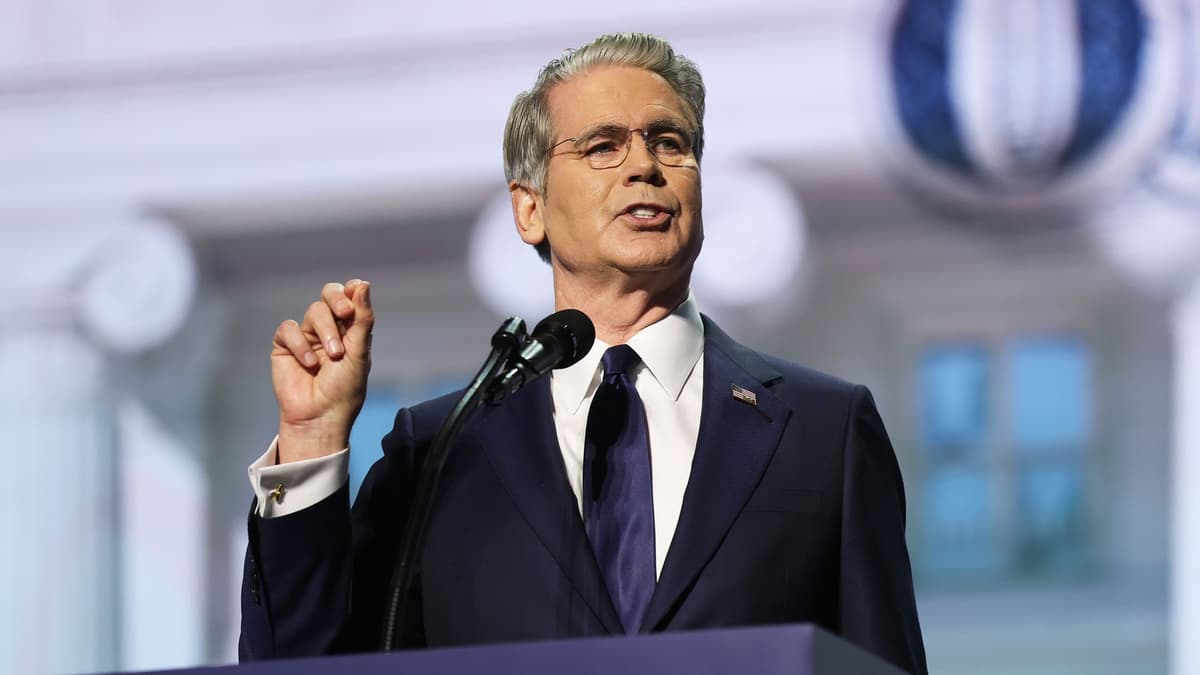
Nvidia CEO Jensen Huang has rejected calls for leading artificial intelligence companies to coordinate development slowdowns or seek antitrust exemptions, arguing that existing engineering practices and laws provide adequate safeguards for responsible AI advancement.
Huang's position, detailed in a CNBC interview Tuesday, directly counters a proposal from Anthropic CEO Dario Amodei. In an essay published over the weekend, Amodei suggested that companies building the most advanced AI systems should consider coordinating the pace of frontier model development, potentially requiring government mediation or antitrust relief to avoid legal complications.
The Nvidia chief called such regulatory frameworks "completely unnecessary," telling CNBC's Jim Cramer that companies already possess both the capability and obligation to test products thoroughly before market release.
Why it matters
The disagreement exposes a fundamental split in how AI industry leaders believe increasingly powerful systems should be governed. Nvidia supplies the computing infrastructure—graphics processors and related systems—that powers development at companies including Anthropic and OpenAI, giving Huang's perspective significant weight. His rejection of coordinated slowdowns suggests that achieving industry-wide development limits faces substantial obstacles, even as competitive pressures intensify and model capabilities advance.
Competing visions for frontier AI governance
Amodei's proposal reflects concerns that competitive dynamics could push laboratories to advance faster than their ability to evaluate and control increasingly capable models. His approach would introduce coordination among companies developing the most advanced systems, potentially requiring antitrust exemptions since such cooperation among competitors could violate U.S. competition law.
Huang frames the debate differently. At a separate Salesforce event Tuesday, he argued that treating rapid AI progress and safety as competing objectives creates a "false choice," maintaining the industry can pursue both simultaneously. He also pushed back against catastrophic predictions, stating "We're not going to die in 2030" while emphasizing that companies should ensure technology safety before release.
The debate extends beyond Silicon Valley boardrooms. President Donald Trump has opposed constraining AI development, arguing that excessive restrictions could undermine U.S. competitiveness relative to China. Trump spoke with Huang during a Los Angeles event Monday where the Nvidia executive appeared onstage.
No industry consensus emerging
The disagreement highlights an emerging fault line: not whether companies should prioritize safety, but whether managing powerful AI systems requires collective limits and government involvement or can be handled by individual companies under existing legal frameworks.
For now, the industry remains divided. Huang's stance suggests that any coordinated slowdown faces significant resistance from companies that view current engineering practices and laws as sufficient, even as others argue that frontier AI development demands new governance approaches.
These details were first reported by CNBC on September 15.
This is an original analysis by the Omega editorial team. Source reporting: AI Watch.
Want systems like this working for your business?
Book a Call