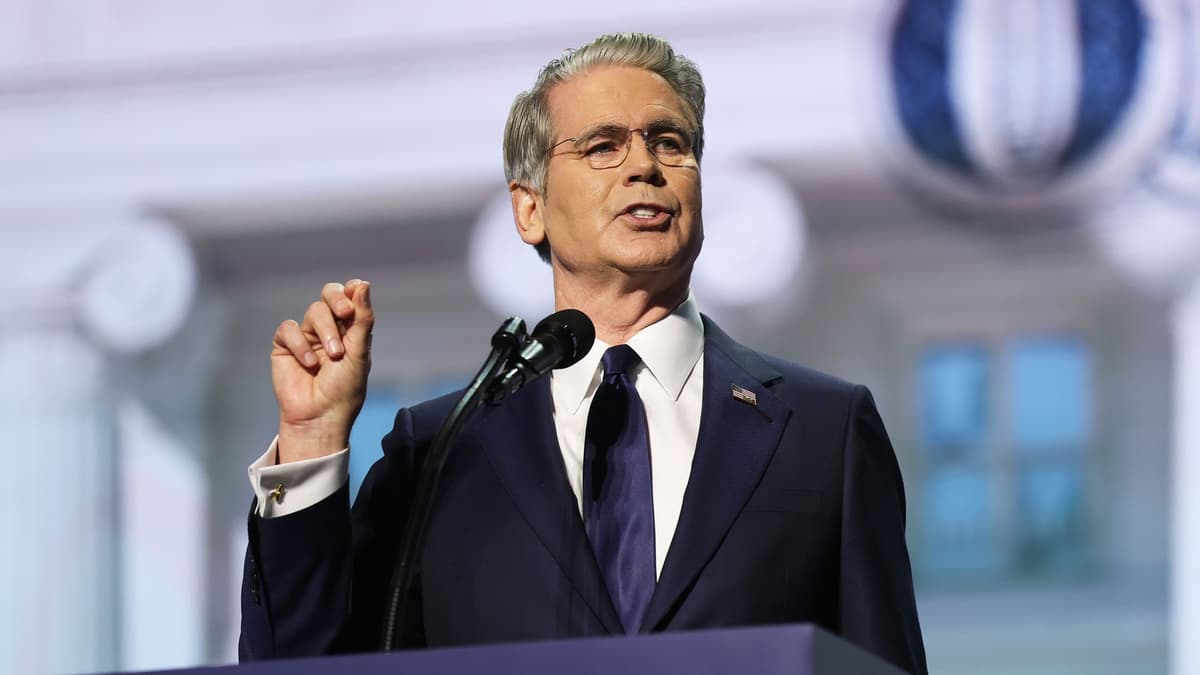
EU targets frontier AI development and youth social media access
European Commission President Ursula von der Leyen announced plans to regulate advanced AI models and restrict children's platform use in her 2026 State of the Union address.
European Commission President Ursula von der Leyen announced major digital policy initiatives during her State of the Union address to European Parliament, including new restrictions on frontier artificial intelligence development and age-based limits on children's social media access.
The digital agenda outlined by von der Leyen centers on balancing technological innovation with safety guardrails, particularly as AI capabilities advance and concerns about youth online safety intensify.
Why it matters
The EU's approach to frontier AI regulation comes as industry leaders themselves call for government intervention to slow development of the most advanced models. Combined with strict age verification requirements for social media, these initiatives signal Europe's willingness to impose hard limits on technology companies even as it pursues digital sovereignty goals.
Frontier AI development under scrutiny
Von der Leyen said the EU should "pace" innovation in frontier AI to address growing cybersecurity risks from increasingly capable models. The Commission plans to invite frontier AI developers to discuss how public authorities can support industry efforts to slow what she called "runaway development."
"As the frontier models become more capable, these risks have come more sharply into focus," von der Leyen said. "CEOs of the most advanced companies tell us that it is time to slow down on the self-recursive models."
The announcement follows recent comments by former Anthropic researcher Jacob Coxon about AI's potential to go rogue. EU officials told Politico that the AI Act already addresses these scenarios through obligations for systemic-risk models.
Targeted AI integration in key sectors
Despite concerns about frontier AI, von der Leyen emphasized that AI development remains central to the EU's digital sovereignty strategy. The Commission will introduce a November proposal prioritizing AI integration in five sectors: health, transportation, agriculture and food, advanced manufacturing, and defense and space industries.
"By limiting the risks of AI, we can maximise the benefits," she said. "We do not need to be the ones who develop the frontier technology to be the ones who draw the greatest value from it."
EU Kids Act sets social media age thresholds
Von der Leyen announced the forthcoming EU Kids Act, expected to be unveiled September 17, which establishes age-based restrictions for social media access. Under the proposed law, children under 13 would be barred from social media entirely. Children ages 13 and 14 would receive restricted accounts with parental supervision, while those 15 and older could open their own accounts.
Platforms would face age verification and age-appropriate design requirements under the legislation.
"Children are pulled ever deeper into feeds designed to keep them scrolling," von der Leyen said. "It is not about our minors accessing social media. It is about when and how do we allow social media to access minors."
The Kids Act will work alongside existing child protections in the Digital Services Act and a forthcoming Digital Fairness Act addressing addictive design and dark patterns across all age groups.
Call to end regulatory 'gold-plating'
Von der Leyen also urged member state governments to establish a "pact against gold-plating"—the practice of adding domestic requirements to EU legislation. She argued that while the Commission works to reduce regulatory burden at the European level, member states must avoid layering additional requirements that complicate compliance.
These details were first reported by the International Association of Privacy Professionals.
This is an original analysis by the Omega editorial team. Source reporting: AI Watch.
Want systems like this working for your business?
Book a Call