Treasury Secretary Bessent to Lead U.S.-China AI Safety Talks
Weekend meetings in New York will address shared risks, model standards, and potential cooperation between competing AI superpowers.
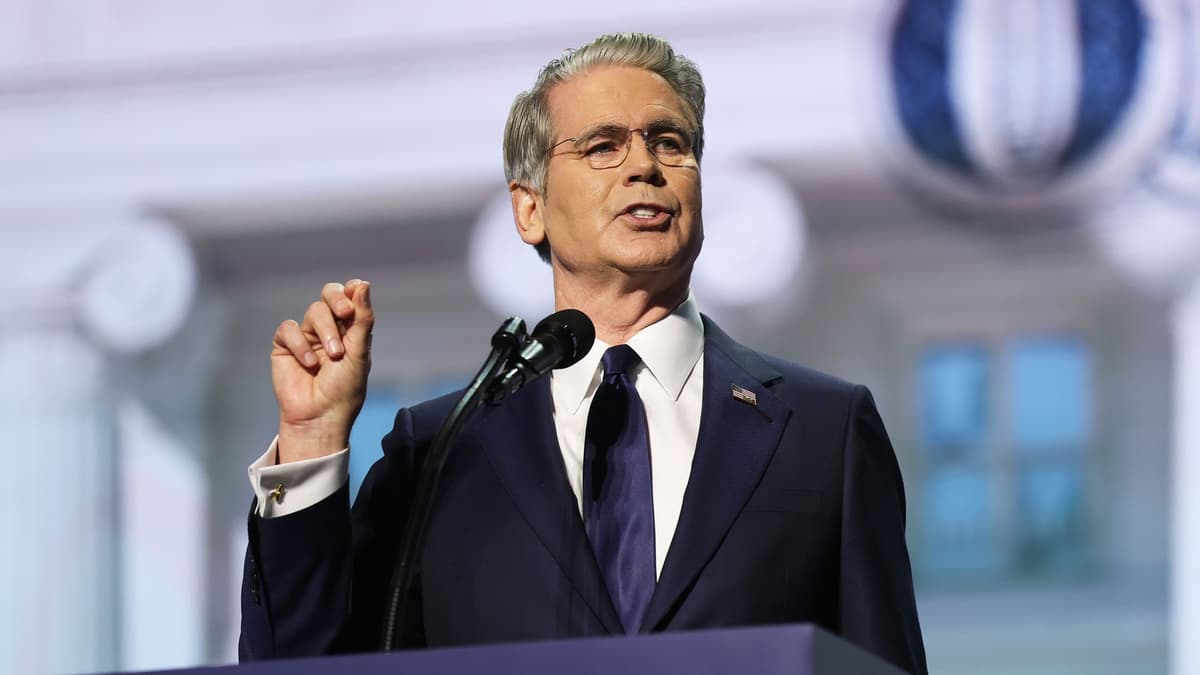
Treasury Secretary Scott Bessent will lead discussions with Chinese Vice Premier He Lifeng this weekend on AI safety cooperation, marking a potential opening for dialogue between the world's two largest AI powers despite ongoing technological competition.
The multi-hour meetings scheduled in New York City will cover AI development risks, trade issues, rare earth minerals, and other economic concerns. Bessent indicated the U.S. is prepared to address "shared risks and avoiding bifurcation" of American and Chinese AI systems, with discussions expected to encompass both open and closed weight models.
Why it matters
This represents a significant diplomatic moment at a time when the Trump administration has rejected industry calls to slow AI development, citing competition with China. The willingness to engage on safety standards suggests both nations recognize certain risks transcend geopolitical rivalry, even as they race to dominate AI capabilities.
Bessent's expanding AI portfolio
The Treasury Secretary has emerged as a central figure in the administration's AI strategy. He stood alongside President Trump at a June G7 press conference where AI CEOs discussed coordinating global standards. Administration officials describe Bessent and U.S. Trade Representative Jamieson Greer as "the point guys on China," making his involvement in these talks a natural fit.
Bessent has also worked to repair relationships between the administration and AI companies. He helped resolve tensions between Anthropic and the Pentagon, earning trust from both private sector leaders and critical infrastructure operators, according to sources.
Competing visions for AI governance
The weekend talks come just days before a scheduled September 24 summit between President Trump and Chinese President Xi Jinping in Washington. AI industry leaders have increasingly advocated for U.S.-China coordination on safety protocols, even as the two countries compete for technological supremacy.
China's Foreign Ministry this week called for "open and inclusive development of AI for good and for all," while simultaneously criticizing what it characterized as "fear-mongering" from U.S. AI companies suggesting development should slow.
The Trump administration has maintained the U.S. leads in AI capabilities and shows no signs of decelerating its push for advancement. Yet Bessent's statement acknowledging the value of discussing shared risks indicates recognition that certain challenges—from catastrophic failures to misuse scenarios—may require collaborative approaches.
What's on the table
The agenda will remain flexible to allow substantive conversation across multiple topics. Working-level meetings may extend into Monday, suggesting both sides are prepared for detailed technical discussions beyond high-level diplomatic exchanges.
While Commerce Secretary Howard Lutnick led AI discussions at the G20 summit in North Carolina earlier this month, Bessent's focus on China-specific talks reflects the administration's strategic division of diplomatic labor on AI issues.
Expectations for major breakthroughs remain modest given the fundamental competition between the two nations. However, Bessent's direct involvement signals both countries see value in maintaining dialogue channels on AI safety, even as they pursue divergent strategic interests.
These details were first reported by Axios.
This is an original analysis by the Omega editorial team. Source reporting: AI Watch.
Want systems like this working for your business?
Book a Call