Nokia and Microsoft Partner on AI Platform for Telecom Automation
The expanded collaboration integrates Nokia Data Suite with Microsoft Fabric to enable AI-driven network operations and faster data access for telecom operators.
Nokia has expanded its partnership with Microsoft to build an AI-powered platform designed to automate telecom network operations, the companies announced this week. The collaboration integrates Nokia Data Suite with Microsoft Fabric to create what Nokia calls a unified data foundation for AI-driven network management.
The platform allows telecom operators to consolidate network data, enterprise information, and third-party sources into a single environment. Microsoft Fabric contributes analytics, governance tools, and AI capabilities including OneLake, Microsoft 365 Copilot, Foundry, and Power BI. Nokia Data Suite provides pre-built telecom data products tailored for network operations.
Why it matters
Telecom operators face mounting pressure to reduce operational costs while managing increasingly complex multi-vendor networks. AI-driven automation represents a potential path to lower expenses and faster problem resolution, but only if operators can efficiently prepare and access network data. By reducing data preparation time from weeks to minutes, this platform could accelerate AI adoption across an industry that has historically struggled with siloed data systems and manual processes.
Targeting Root-Cause Analysis and Predictive Maintenance
According to Nokia, the integrated platform enables AI agents to perform automated root-cause analysis and execute closed-loop operations while maintaining human oversight. Operators will be able to access prepared network data in minutes rather than weeks, significantly compressing the timeline for deploying AI applications.
The system is designed to function across multi-vendor and cross-domain environments, including cloud, hybrid, and on-premises infrastructure. Nokia emphasized that this architecture allows operators to adopt the technology while meeting varying regulatory requirements across different markets.
Vivek Jaiswal, senior vice president of Autonomous Networks at Nokia, said the companies are working to transform telecom networks from static infrastructure into "programmable, AI-native platforms."
Initial Use Cases Focus on Radio Networks
The first deployments will target specific network operations scenarios. One application is autonomous Voice over New Radio (VoNR) assurance, where AI agents detect service degradation, analyze root causes, and recommend corrective actions.
Another use case, called geo-experience, applies AI to identify subscribers experiencing poor radio performance and pinpoint coverage or capacity issues across radio access networks. The companies are also developing predictive maintenance and fault management capabilities, where AI agents analyze historical and real-time data to identify potential problems before they impact customers.
Nokia stated the solution is available now, with additional autonomous network use cases and customer deployments planned as the partnership develops.
Market Response
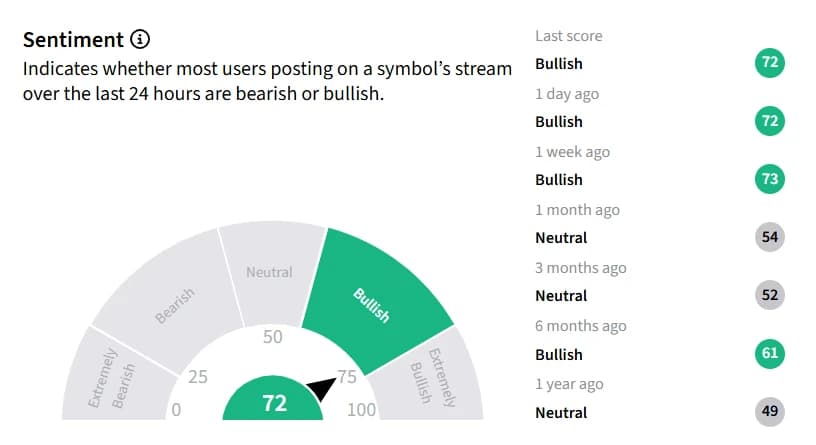
Nokia shares rose as much as 5% in premarket trading Thursday following the announcement, according to Automation Watch, which first reported these details. Microsoft stock was marginally higher. Nokia shares have climbed more than 55% year-to-date, substantially outpacing broader technology and infrastructure benchmarks.
This is an original analysis by the Omega editorial team. Source reporting: Automation Watch.
Want systems like this working for your business?
Book a Call