Nokia and Microsoft Build AI Platform for Telecom Automation
The partnership integrates Nokia Data Suite with Microsoft Fabric to enable AI-driven network operations across multi-vendor environments.
Nokia has expanded its collaboration with Microsoft to create an AI-powered data foundation designed to automate telecom network operations, according to details first reported by Automation Watch.
The solution combines Nokia Data Suite with Microsoft Fabric, creating a unified platform that allows telecom operators to integrate network, enterprise, and third-party data for AI-driven decision-making. Nokia Data Suite delivers pre-built telecom data products, while Microsoft Fabric contributes analytics, governance, and AI capabilities including OneLake, Microsoft 365 Copilot, Foundry, and Power BI.
Why it matters
Telecom operators face mounting pressure to reduce operational costs while improving network performance across increasingly complex, multi-vendor environments. This partnership addresses a critical bottleneck: the weeks typically required to prepare network data for AI applications. By reducing that timeline to minutes, operators can deploy AI agents for tasks like automated root-cause analysis and closed-loop operations while maintaining human oversight—a balance essential for regulatory compliance and operational safety.
Multi-vendor architecture targets real deployment challenges
The platform is engineered to function across multi-vendor and cross-domain telecom environments, including cloud, hybrid, and on-premises infrastructure. This design choice reflects the reality that most operators manage networks built from equipment supplied by multiple vendors, each with proprietary data formats and interfaces.
According to Nokia, AI assistants within the system can analyze network issues, recommend corrective actions, and automate workflows while preserving human oversight. Vivek Jaiswal, senior vice president of Autonomous Networks at Nokia, stated the companies are working to transform telecom networks from static infrastructure into "programmable, AI-native platforms."
Initial use cases focus on RAN and service assurance
The first deployments target three specific operational areas. Autonomous Voice over New Radio (VoNR) assurance uses AI agents to detect service degradation, analyze root causes, and recommend remediation steps. A geo-experience capability identifies users experiencing poor radio performance and pinpoints coverage or capacity problems across radio access networks.
The third initial use case addresses predictive maintenance and fault management, where agents analyze both historical and real-time network data to identify potential failures before they impact customers.
Nokia indicated the solution is available immediately, with additional autonomous-network use cases and customer deployments planned as the partnership develops.
Market reaction
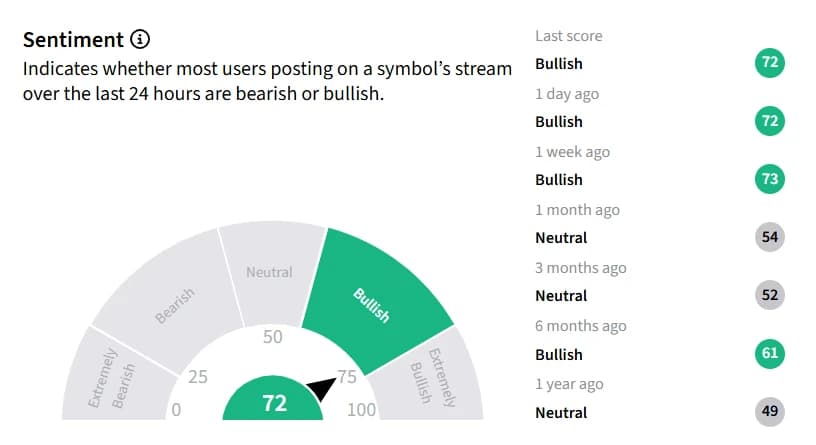
Nokia shares rose as much as 5% in premarket trading Thursday following the announcement, while Microsoft stock showed marginal gains. Year-to-date, Nokia shares have climbed more than 55%.
Automation Watch first reported these details about the Nokia-Microsoft AI platform expansion.
This is an original analysis by the Omega editorial team. Source reporting: Automation Watch.
Want systems like this working for your business?
Book a Call