Automation
NABU Raises €1.1M to Automate KYC and AML Compliance with AI
The Ghent-based regtech aims to eliminate 90% of manual customer verification work for banks and regulated financial firms across Europe.
Key takeaways
- NABU raised €1.1 million to automate customer verification and anti-money laundering checks for regulated financial institutions using AI agents.
- The platform retrieves data directly from official registers and databases, eliminating redundant document requests and reducing manual compliance work by up to 90%.
- An estimated 100,000 European companies must comply with KYC and AML regulations, creating substantial demand for efficient compliance technology.
- NABU is expanding from Belgium into the Netherlands and Luxembourg, with plans to enter additional EU markets and regulated sectors including insurance and legal services.
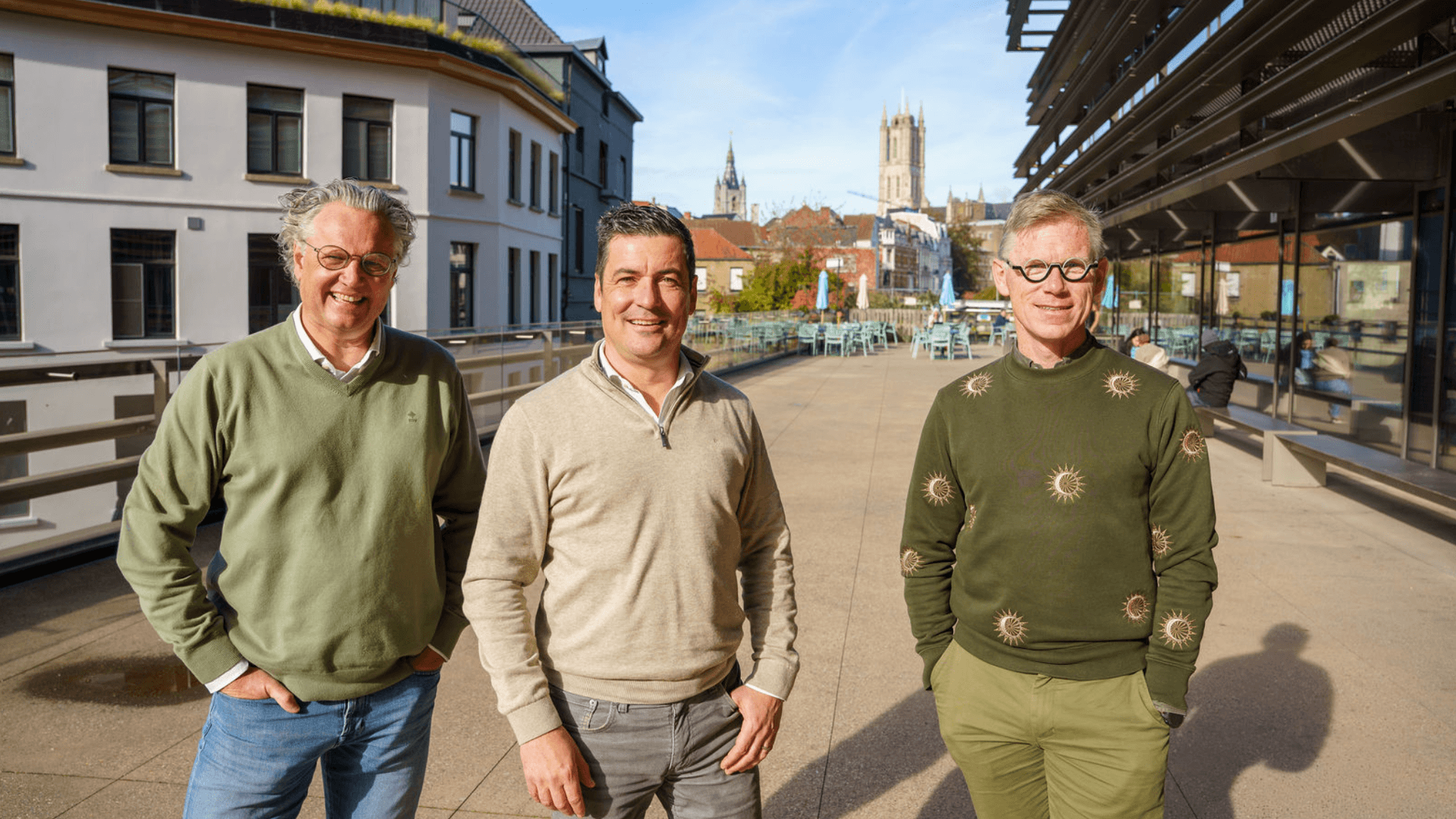
- The company was founded in 2025 by Karel-Lodewyck Lefere, Bart Vermeulen and Koen Handekyn, with backing from business angels including former CCV owner Enny van de Velden.
Belgian regtech tackles compliance bottleneck
NABU, a Ghent-based startup building AI-powered automation for financial compliance, has closed a €1.1 million funding round from business angels including Enny van de Velden, former owner of payment processor CCV.
The company addresses a persistent friction point in regulated finance: the labor-intensive process of verifying customer identities and monitoring for money laundering risks. Banks, payment providers, investment funds and similar institutions face mounting regulatory requirements that demand extensive documentation review, identity verification and ongoing surveillance of customer accounts.
Founded in 2025 by Karel-Lodewyck Lefere, Bart Vermeulen and Koen Handekyn, NABU's platform connects directly to official company registers and commercial databases like Dun & Bradstreet to pull verified information automatically. Rather than asking customers to submit documents that already exist in public records, the system assembles customer files from authoritative sources and requests only missing materials.
"Much of that data already exists. It's in national company registers, in public sources or on your electronic ID. And yet customers still have to supply everything themselves," Lefere said. "On top of that, sensitive documents are often still exchanged by email. That's outdated and unsafe, and that's exactly what we want to change."
How the automation works
The platform applies AI analysis across multiple data sources—public registers, corporate websites, social media profiles—to generate risk assessments and compliance recommendations. Compliance officers retain final decision authority, but the system handles document retrieval, file preparation and initial risk scoring.
NABU also provides continuous monitoring of customer records, flagging changes that might affect risk profiles, and automates portions of mandatory reporting to financial regulators and tax authorities. The company claims the technology can eliminate up to 90 percent of manual customer due diligence tasks.
Lefere cited one deployment where an elderly investor completed the full onboarding process with an investment fund in 10 minutes, a timeline that would typically span days or weeks under manual review.
Why it matters
European financial regulation has grown substantially more demanding over the past decade, with stricter know-your-customer and anti-money laundering requirements creating operational strain particularly for mid-sized institutions. An estimated 100,000 companies across Europe fall under these compliance mandates. Automation that genuinely reduces manual workload without compromising regulatory standards could shift competitive dynamics, allowing smaller players to meet obligations that currently require dedicated compliance teams. The approach also addresses a security gap: moving sensitive document exchange away from email and into structured, auditable workflows.
Expansion plans
With the new capital, NABU intends to extend its platform into adjacent regulated sectors including insurance, legal services and payments. The company is entering the Netherlands and Luxembourg markets and plans broader European Union expansion.
These details were first reported by Tech.eu.