Mitsubishi Electric and Sony Form AI Factory Automation JV
Advanced Vision Solutions will combine image sensors with edge AI to enable autonomous manufacturing control starting October 2024.
New venture targets labor shortages with AI vision systems
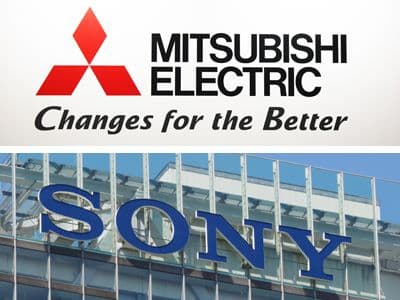
Mitsubishi Electric and Sony Semiconductor Solutions announced plans to launch a joint venture focused on AI-powered factory automation, addressing Japan's acute manufacturing labor shortages through autonomous production systems.
The new company, Advanced Vision Solutions Co., will be majority-owned by Mitsubishi Electric at 60 percent, with Sony Semiconductor Solutions holding the remaining stake. Operations are scheduled to begin in October 2024, according to details first reported by Jiji Press.
Technology integration strategy
The partnership combines distinct technological strengths from both parent companies. Mitsubishi Electric brings decades of factory automation expertise, while Sony Semiconductor Solutions contributes advanced image sensor technology and edge AI capabilities embedded in hardware devices.
Advanced Vision Solutions will deploy AI systems that analyze video data captured by image sensors monitoring production lines and quality control processes. The technology aims to enable autonomous control of manufacturing facilities without constant human oversight.
Why it matters
Japan faces one of the world's most severe demographic challenges, with a shrinking working-age population threatening manufacturing competitiveness. This joint venture represents a strategic response by two major electronics manufacturers to maintain production capacity through automation rather than human labor. The combination of industrial automation leadership with cutting-edge AI and sensor technology could establish new standards for smart manufacturing, particularly in markets facing similar workforce constraints.
Operational focus
The venture will concentrate on production site monitoring and product quality assessment through AI-powered vision systems. By processing visual data at the edge—within hardware devices rather than cloud servers—the technology can deliver real-time responses necessary for manufacturing control.
This approach addresses a critical gap in current factory automation: the ability to make autonomous decisions based on visual inspection and monitoring without human intervention. Traditional automation systems typically require extensive programming for specific tasks, while AI-enabled vision systems can adapt to variations in production conditions.
The October launch timeline suggests both companies have already developed core technologies and are moving quickly to commercialize integrated solutions. The 60-40 ownership structure indicates Mitsubishi Electric will likely lead go-to-market strategy and customer relationships in industrial automation markets, while Sony Semiconductor Solutions provides the underlying sensor and AI technology platform.
Details were first reported by Jiji Press on July 22, 2025.
This is an original analysis by the Omega editorial team. Source reporting: Automation Watch.
Want systems like this working for your business?
Book a Call