Missouri to Deploy AI for Medicaid Work Requirements
The state is among six nationwide using artificial intelligence to manage new federal mandates affecting 1.26 million enrollees.
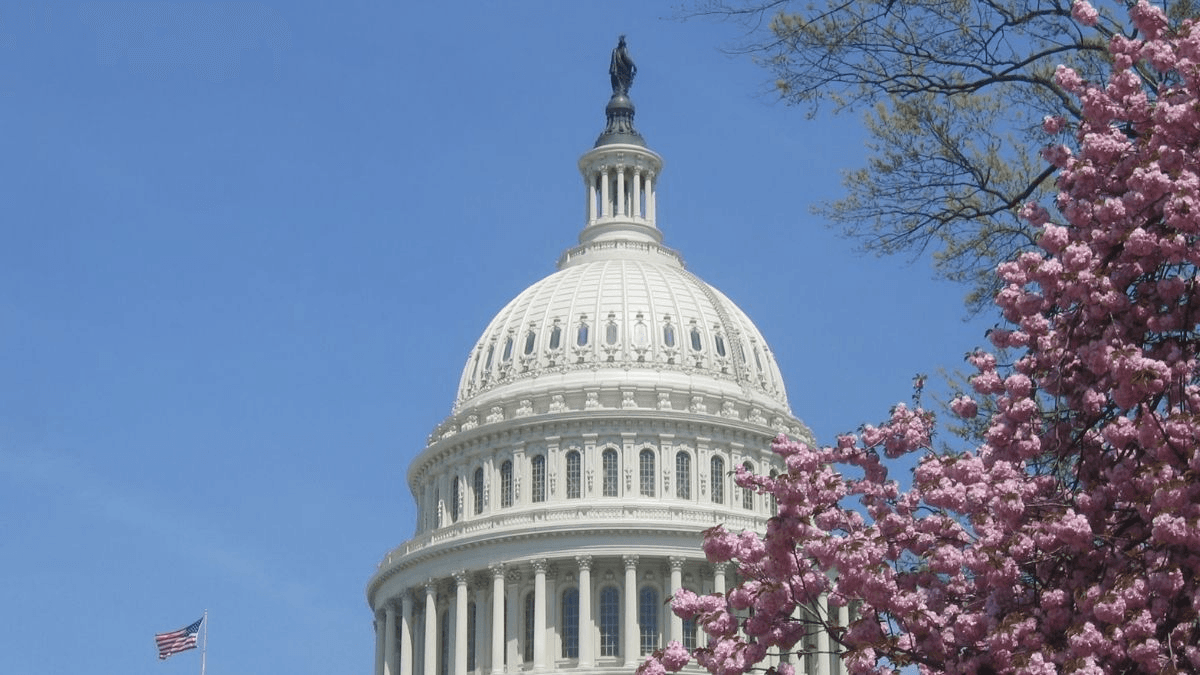
Missouri is preparing to implement artificial intelligence tools across its Medicaid system as the state races to comply with new federal work requirements that take effect in December 2026.
The state is one of only six nationwide planning to use AI to help administer the mandates, which require Medicaid enrollees aged 19-64 to document 80 hours monthly of work, school, or caregiving activities. The changes stem from President Donald Trump's budget bill, formally called the One Big Beautiful Bill Act, and represent some of the most significant Medicaid overhaul in years.
Missouri lawmakers have approved nearly $50 million in state and federal funding to update software systems and meet the new requirements for MO HealthNet, the state's Medicaid program serving 1.26 million residents.
Why it matters
The deployment of AI in Medicaid eligibility decisions raises critical questions about automation in social safety net programs. While the technology promises to reduce administrative burden and paperwork confusion, experts warn that inadequate testing and oversight could result in eligible individuals losing coverage. Missouri's experience will likely influence how other states approach similar implementations.
How Missouri plans to use AI
According to the Missouri Department of Social Services, AI will be deployed across multiple functions: answering client questions through enhanced chatbot systems, processing documentation, matching data across systems, and automating portions of the eligibility system.
The state is expanding chatbot capabilities to allow residents to check application status, report household changes, and complete renewals without calling DSS directly. Behind the scenes, AI may help staff quickly locate relevant policies within extensive manuals or pull federal Medicaid rules for complex cases.
Missouri already partners with SteadyIQ, an AI-powered platform that lets enrollees link bank accounts and gig work platforms to verify income automatically.
DSS spokesperson Baylee Watts emphasized that AI will not make final eligibility decisions. "No AI tool or algorithm makes adverse eligibility determinations or coverage termination decisions," Watts stated. State employees will review all cases where AI suggests someone is ineligible before any coverage termination occurs.
The challenge ahead
Missouri has historically struggled with outdated technology and staff turnover in its Medicaid administration. Computer systems that cannot communicate with each other have created persistent backlogs and long wait times.
The new federal requirements double the administrative workload by mandating eligibility redetermination twice yearly instead of annually. DSS has requested more than 200 additional full-time employees to handle the increased volume.
Analysis of 2024 Census data shows 67% of working-age MO HealthNet patients already work, while most others qualify for exemptions due to disability, caregiving responsibilities, or school enrollment.
Concerns about automation
Elizabeth Edwards, senior attorney at the National Health Law Program, cautioned that human oversight may not be sufficient. Research on human-AI interaction shows people tend to defer to AI suggestions over time, particularly when the system is correct most of the time.
"The idea that a human in the loop is solving the problem of any type of AI monitoring is really not sufficient," Edwards said.
States face compressed timelines for implementation, raising concerns about adequate testing. Arkansas's previous work requirement program resulted in more than 18,000 adults losing coverage, with research showing the policy did little to increase employment and disproportionately affected those without home internet access.
Missouri currently ranks 30th nationwide for broadband access, potentially complicating digital verification efforts.
The details were first reported by The Beacon.
This is an original analysis by the Omega editorial team. Source reporting: AI Watch.
Want systems like this working for your business?
Book a Call
