Policy
Meta's Muse Image Tool Uses Public Instagram Photos for AI by Default
SAG-AFTRA warns members to opt out as the feature draws on public accounts without notification.
Key takeaways
- Meta's Muse Image tool uses public Instagram photos to generate AI images by default, without notifying users when their content is used.
- SAG-AFTRA has warned members to opt out of the feature to protect their digital likeness and intellectual property.
- Users can disable image sharing for AI through Instagram's "Sharing and reuse" settings, but cannot prevent audio, text, or comments from being used.
- The opt-out approach places responsibility on users to actively protect their content rather than requiring explicit consent upfront.
- Only public Instagram accounts are affected by this feature; private accounts are not accessible to Muse Image.
Meta is drawing criticism from privacy advocates and creative professionals over a new artificial intelligence feature that automatically incorporates public Instagram photos into AI-generated imagery without explicit user consent.
The Screen Actors Guild-American Federation of Television and Radio Artists issued a warning to its members this week about Muse Image, Meta's integrated Instagram AI tool. The union advised members to change their privacy settings immediately, emphasizing the need to "take action to protect your likeness."
How Muse Image Works
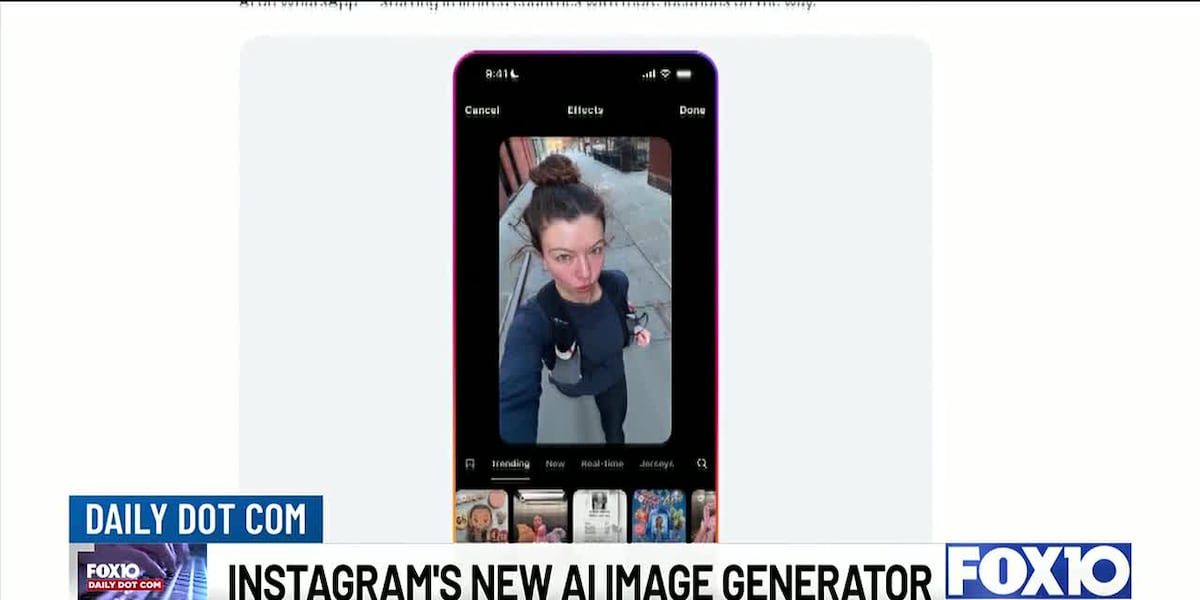
Muse Image functions as an integrated Instagram feature that generates AI-created visuals similar to how users post standard photos. The system produces what Meta describes as "high-quality visuals" based on user prompts.
The controversial aspect: the tool can pull from any public Instagram account to create AI-generated images. According to Meta's own help center documentation, accounts set to public automatically allow others to "create content with your Instagram content using AI features at Meta" unless users manually adjust their settings.
Reports indicate Meta does not notify users when their images become source material for AI-generated content created by others.
Why it matters
This development represents a significant shift in how social media platforms treat user-generated content. For creative professionals, the implications extend beyond privacy concerns to questions of intellectual property and control over one's digital likeness. The opt-out rather than opt-in approach places the burden on users to protect their content, reversing traditional consent models and potentially exposing millions of accounts to unauthorized use in AI training and generation.
Limited Control Over Other Content Types
While Instagram users can restrict how their images are used in AI tools through privacy settings, Meta acknowledges significant limitations. The company states there is currently no mechanism to prevent audio, text, and comments from being repurposed for AI features on the platform.
This gap in user control has amplified concerns among critics who view the feature as another instance of technology companies appropriating personal data without transparent consent processes.
Opting Out of the Feature
Users who want to prevent their Instagram photos from being used in Muse Image must navigate to their settings and locate the "Sharing and reuse" option. Within that menu, they need to find "Allow people to reuse your content on Instagram and with AI features at Meta" and toggle it off for both posts and reels.
The feature applies only to public accounts, meaning users who maintain private profiles are not affected by this particular AI tool.
These details were first reported by WALA Fox10 in Mobile, Alabama.