Congressional Candidate Uses AI to Fake Endorsement From Dead Activist
Nathan Berning's campaign created a deepfake of Haunani-Kay Trask, sparking outrage and potential legal action under Hawaii's new AI law.
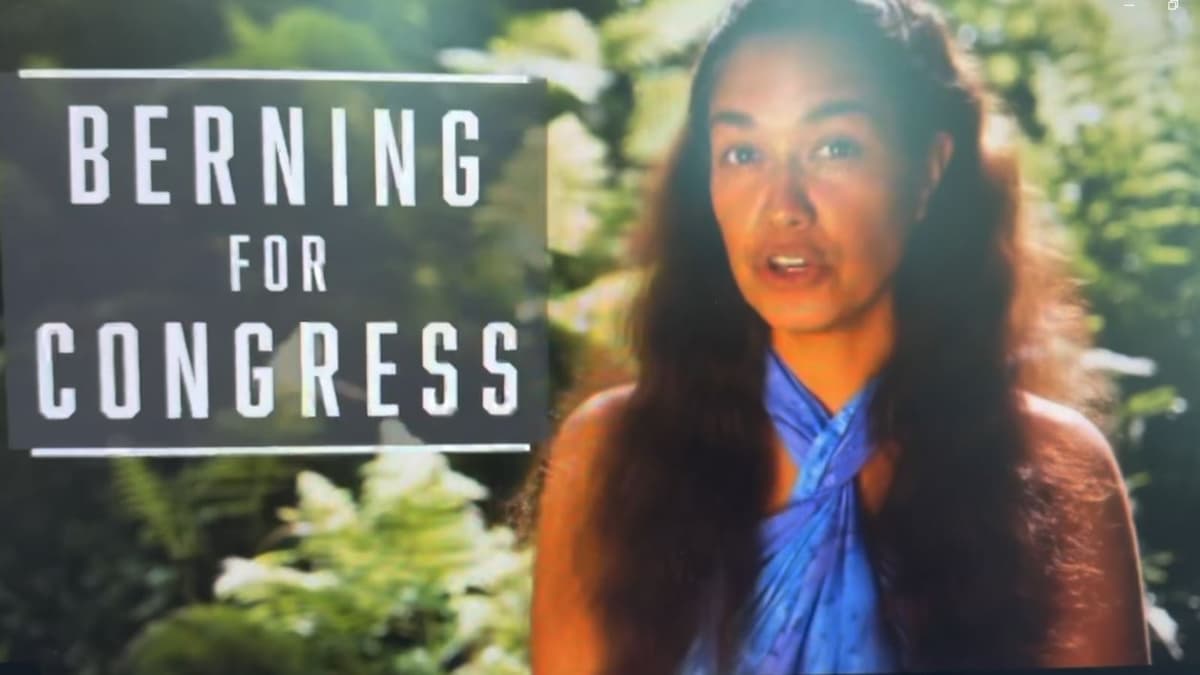
Congressional Candidate Faces Backlash Over AI-Generated Endorsement
A congressional candidate in Hawaii has issued an apology after his campaign used artificial intelligence to create a fabricated endorsement from Haunani-Kay Trask, a prominent Native Hawaiian activist and professor who died in 2021. The incident has sparked outrage from Trask's family and raised questions about the application of Hawaii's recently enacted AI regulation law.
Nathan Berning initially claimed to Hawaii Public Radio that he had never heard of Trask and that the woman in his campaign ad was a model. That assertion quickly unraveled when observers identified the AI-generated image as a well-known photograph of Trask frequently used in articles about her work.
Family Alleges Fraud
Mililani Trask, Haunani-Kay Trask's sister, rejected Berning's claim of ignorance and characterized the ad as fraudulent. "It's clearly a violation and a perpetration of fraud on the voters in our state," she said.
The 30-second advertisement, which addressed abortion policy, featured an AI-generated version of Trask's voice and likeness appearing to endorse Berning's campaign. The ad also included graphic imagery of a mutilated fetus. Mililani Trask said her family was deeply upset by the misuse of her sister's identity to convey a political message she may not have supported.
New State Law Provides Legal Recourse
State Representative Scot Matayoshi, who chairs the Consumer Protection Committee, confirmed that Trask's family could pursue legal action under Act 247, a new Hawaii law addressing AI-altered images that took effect earlier this year. "This was certainly one of the things that we were afraid of when we passed this law," Matayoshi said. "People are justifiably outraged at this."
In a subsequent email, Berning acknowledged his initial statement was inaccurate and admitted the video was AI-generated. He said the ad was not intended to represent a specific real Hawaiian woman and expressed regret for causing frustration to Trask's family. Berning stated the ad would be reworked and would not continue running in its current form.
Part of Coordinated Campaign Strategy
The graphic imagery in Berning's ad reflects a broader pattern among candidates funded by a political action committee organized by anti-abortion activist Randall Terry, who is running for office in Virginia. According to Terry's fundraising website, federal law prohibiting censorship of congressional ads prevents television stations from refusing to air graphic content.
Berning received fewer than a thousand votes in the primary election but secured enough support to appear on the general election ballot. This positioning could allow him to continue running uncensored ads under federal protections for congressional candidates.
Why It Matters
This case represents an early test of state-level AI regulation laws designed to prevent the misuse of deceased individuals' likenesses in political campaigns. As generative AI tools become more accessible, the tension between federal protections for political speech and state consumer protection laws will likely intensify. The incident also highlights the challenge election officials face in distinguishing between legitimate candidates and those primarily seeking to broadcast controversial messages through protected campaign channels.
These details were first reported by Hawaii News Now, with initial coverage by Hawaii Public Radio.
This is an original analysis by the Omega editorial team. Source reporting: AI Watch.
Want systems like this working for your business?
Book a Call
