Meta's $30B Ohio Data Center Sparks Local Backlash
The social media giant's 1-gigawatt AI facility highlights growing tensions between tech infrastructure needs and community concerns.
Meta's Massive AI Infrastructure Investment Meets Resistance
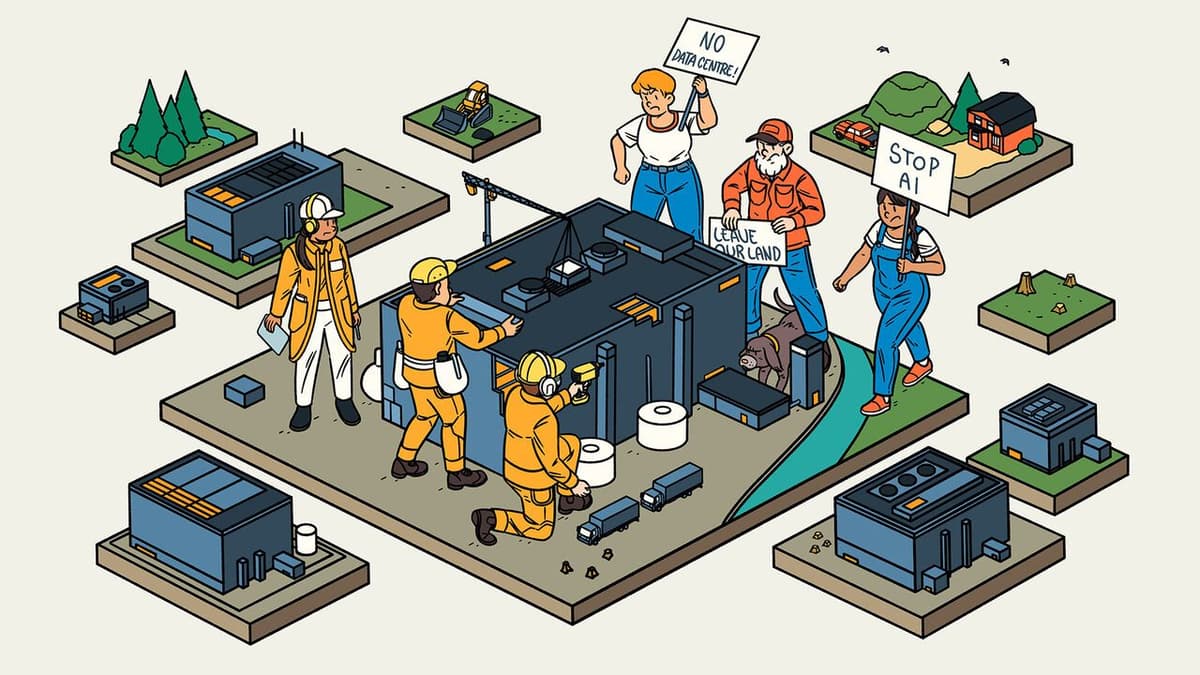
Meta is constructing what may become one of the world's most powerful artificial intelligence data centers on former Ohio farmland, a project that exemplifies the growing friction between tech companies' infrastructure ambitions and local communities.
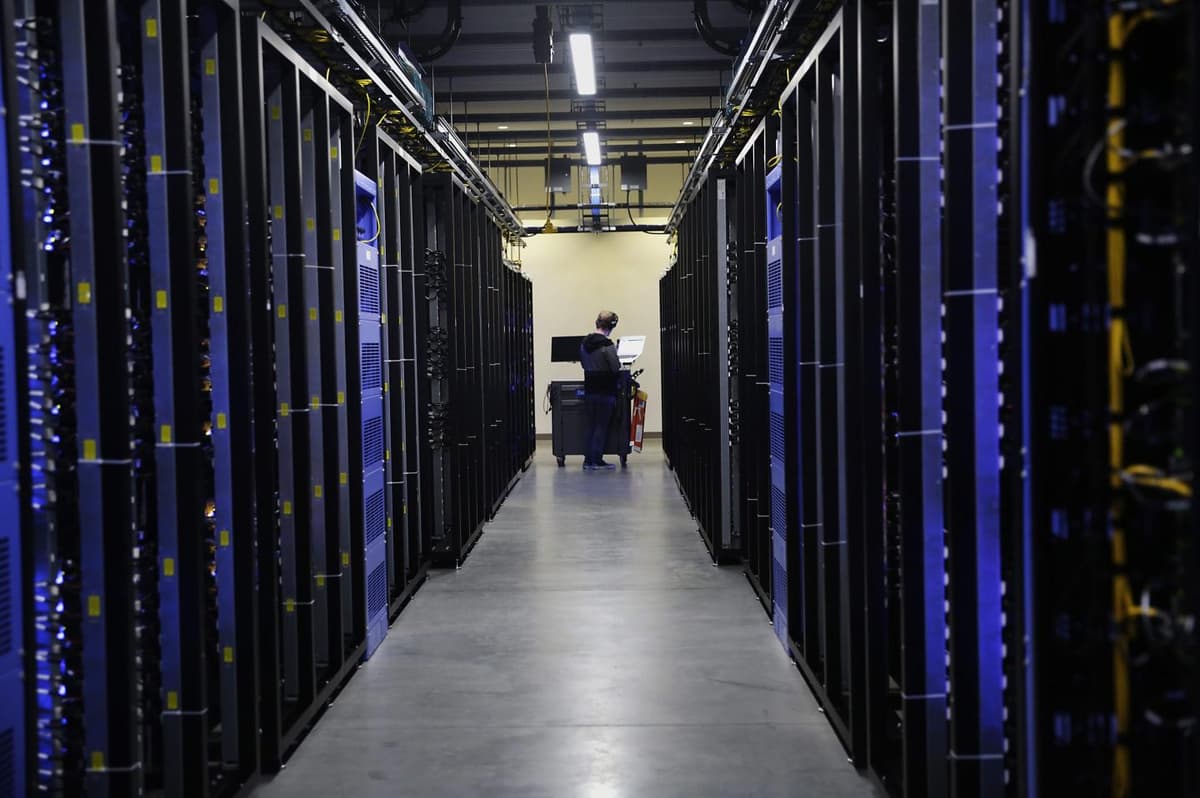
The facility, code-named "Prometheus," occupies a site comparable in size to an airport terminal. Six military-grade weatherproof tents currently house what will eventually contain approximately $30 billion worth of advanced semiconductors. The company plans to bring the center online in 2026, dedicating an entire gigawatt of electrical capacity exclusively to AI workloads—enough power to supply roughly one million homes or match the output of a large nuclear reactor.
Why it matters
The scale of power consumption required for frontier AI development is creating unprecedented infrastructure challenges. As tech companies race to build computing capacity for large language models and other AI systems, they're encountering resistance in communities unprepared for industrial-scale energy demands. This tension could constrain the pace of AI advancement if companies cannot secure adequate power and local approval for new facilities.
From Farmland to AI Factory
The transformation of the Ohio site illustrates the dramatic physical footprint of modern AI infrastructure. As recently as April, the location featured farmland, forest, and residential homes. The rapid conversion to a data center complex includes not only the semiconductor housing but also gas turbines to provide the massive power requirements.
The facility's energy needs underscore a fundamental challenge facing the AI industry: training and running advanced models requires exponentially more computing power than previous generations of technology. A single gigawatt represents a scale of energy consumption that few communities have experience accommodating.
Growing Opposition Pattern
According to The Economist, which first reported these details, opposition to data center development is spreading across the United States. While the source text does not detail specific objections or locations beyond the Ohio example, the pattern suggests communities are increasingly scrutinizing proposals that promise economic benefits but demand substantial resources and alter local character.
The tension reflects broader questions about how societies will accommodate the infrastructure requirements of artificial intelligence as the technology becomes more central to economic activity. Data centers require not only enormous power supplies but also water for cooling, fiber optic connectivity, and often tax incentives that shift costs to existing residents.
Meta's willingness to invest $30 billion in semiconductors for a single facility demonstrates the company's commitment to maintaining competitive AI capabilities, even as it navigates local concerns about the project's impact.
These details were first reported by The Economist.
This is an original analysis by the Omega editorial team. Source reporting: AI Watch.
Want systems like this working for your business?
Book a Call