AI Creates Functional Viral Genomes, Raising Biosecurity Alarms
Stanford researchers used genome language models to design synthetic bacteriophages from scratch, demonstrating both therapeutic promise and regulatory gaps.
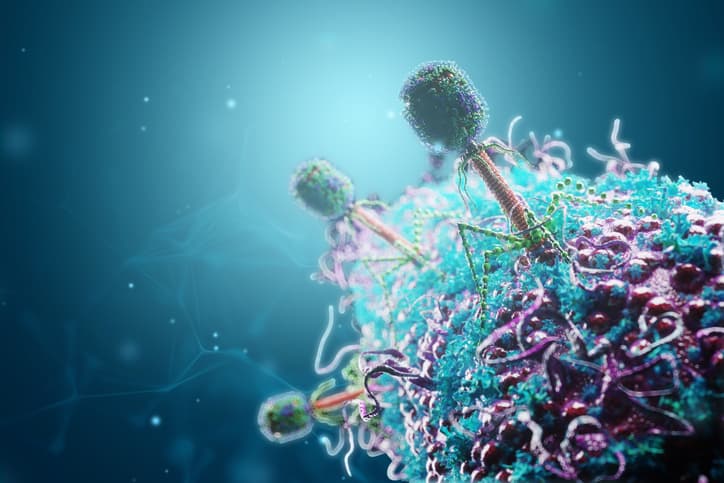
AI-Designed Viruses Mark New Frontier in Synthetic Biology
Researchers at Stanford University have successfully used artificial intelligence to design complete viral genomes capable of infecting bacteria—a scientific first that demonstrates both the therapeutic potential and security risks of generative AI in biology.
The team, led by PhD student Samuel King, employed genome language models to create 16 functional bacteriophages (viruses that target bacteria) with genomes substantially different from anything found in nature. The synthetic viruses successfully infected E. coli bacteria and, when combined in a "phage cocktail," overcame bacterial resistance mechanisms that typically block natural bacteriophages.
According to findings published in Science and first reported by Inside Precision Medicine, this marks the first time generative design has been applied to an entire viral genome rather than individual genetic components.
How the Technology Works
The researchers fine-tuned two AI models—Evo 1 and Evo 2—using 14,266 genomes from the Microviridae family of single-stranded DNA viruses. These genome language models function similarly to large language models trained on text, learning evolutionary constraints that shape DNA sequences across millions of genomes from various life forms.
Starting with the natural ΦX174 bacteriophage as a template, the team generated nearly 300 initial designs and filtered them through computational and experimental validation to produce 16 viable synthetic viruses.
Crucially, the AI models considered genome-level constraints rather than simply assembling genes like building blocks. One designed bacteriophage, Evo-Φ36, contained a functional truncated protein that had previously failed when engineers tried to introduce it into wild-type viruses through conventional methods. The AI-generated genomic context allowed the surrounding sequences to co-adapt, enabling functionality.
Why It Matters
This breakthrough arrives at a critical juncture for both medicine and biosecurity. Bacteriophages represent a promising weapon against antibiotic-resistant bacteria, one of the most pressing public health threats globally. The ability to rapidly design adaptive phage therapies could accelerate treatment development.
However, the same technology that enables beneficial applications also creates pathways for potential misuse. Because AI-generated genomes can differ dramatically from known sequences, existing screening methods for synthetic DNA orders may not flag concerning designs. The regulatory infrastructure has not kept pace with the technology.
Urgent Call for Oversight
In an accompanying editorial, Thomas Inglesby and Moritz Hanke from Johns Hopkins University argued that voluntary biosecurity measures are no longer sufficient. They called for mandatory legal requirements that would compel synthetic nucleic acid providers to screen both customer orders and the customers themselves.
"The question is no longer whether generative viral genome design will exist," the Johns Hopkins researchers wrote. "It is whether society can build oversight that allows its benefits to unfold while preventing it from enabling serious harm."
The Stanford team acknowledged these concerns directly in their paper, recommending that future whole-genome design projects consult safety and security professionals throughout the project lifecycle.
The research was first reported by Inside Precision Medicine, which detailed both the scientific achievement and the biosecurity implications raised by the work.
This is an original analysis by the Omega editorial team. Source reporting: AI Watch.
Want systems like this working for your business?
Book a Call