Virginia Bans NDAs on Data Center Deals, Pushes AI Oversight
Governor's executive order ends secret negotiations as federal lawmakers call for safety standards on AI infrastructure.
Virginia moves to end confidential data center agreements
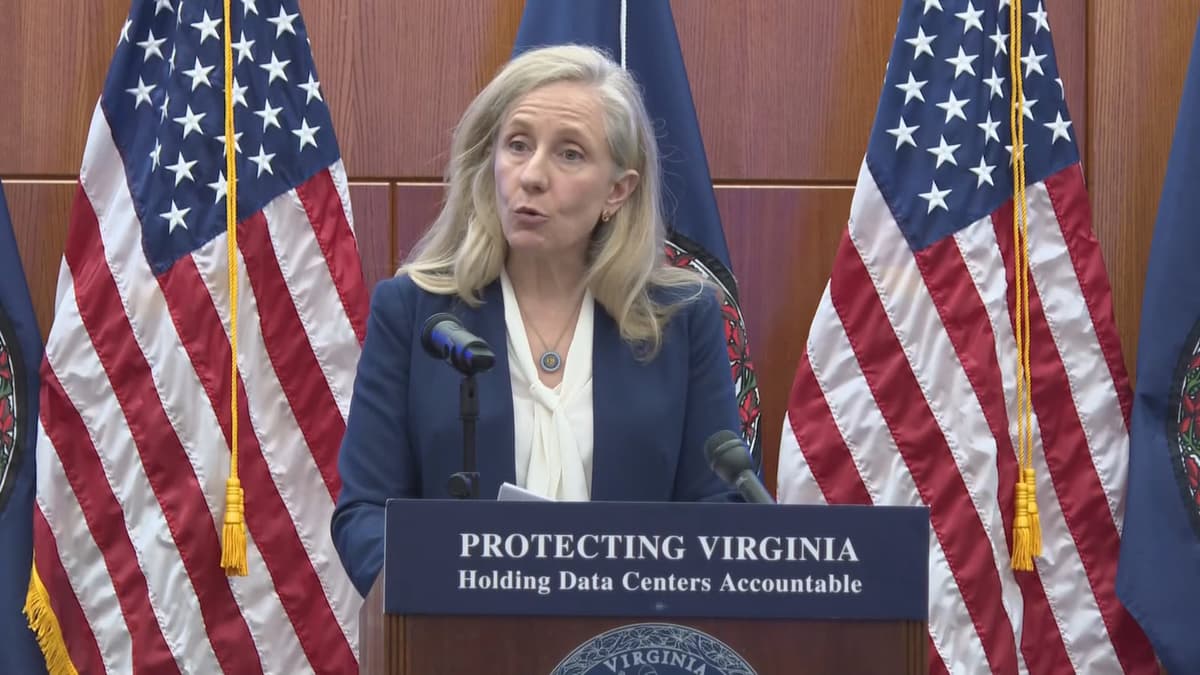
Virginia has become the first state to prohibit nondisclosure agreements on data center projects, following mounting public pressure over facilities planned for the commonwealth's southwest region.
Governor Abigail Spanberger signed an executive order this weekend barring state agencies from signing or requiring NDAs related to data center developments. The directive forms part of a broader framework that includes requiring local approval and ending state subsidies for certain facilities, according to WVVA, which first reported the developments.
The governor described the policies as "the highest standards in America," organized around five requirements: increasing transparency, strengthening environmental protections, lowering energy costs, bolstering clean energy, and improving conditions for Virginia workers.
Senator Tim Kaine echoed the transparency push, telling constituents that secret deals ultimately damage both companies and local governments. "The confidentiality actually creates more problems, creates more suspicion, and even paranoia than it's worth," Kaine said. He advised voters to demand that local candidates commit to open negotiations.
Why it matters
Data centers have become flashpoints in communities nationwide as AI computing demands drive unprecedented infrastructure expansion. Virginia's move to ban NDAs sets a precedent that could reshape how states negotiate with technology companies, potentially forcing a choice between transparency requirements and business-friendly confidentiality. The tension reflects a broader reckoning over whether AI infrastructure should face the same public scrutiny as other major industrial projects.
Industry pushback and legislative hurdles
The Virginia Chamber of Commerce warned that confidentiality remains essential to economic development, suggesting businesses may relocate "to a state that can" maintain privacy in negotiations. Data center proposals in southwestern Virginia have arrived through LLCs and other structures, with details negotiated behind closed doors despite constituent concerns.
Most of Spanberger's framework requires approval from the General Assembly, which does not reconvene until January. The legislative path remains uncertain.
Federal lawmakers connect data centers to AI safety
Senator Mark Warner, vice-chair of the Senate Intelligence Committee, framed the data center debate as fundamentally about AI oversight. The facilities exist primarily to run artificial intelligence systems, yet no regulatory framework governs their safety, Warner noted.
"I don't think many of us would get into a car or get into an airplane if we didn't think somebody from the government had been involved in safety testing," Warner said. He has advocated for AI safety measures for years, a position he described as once lonely but now increasingly mainstream.
Warner emphasized his concern centers on AI agents potentially compromising critical infrastructure like banks, hospitals, or water systems. He clarified he does not want to halt AI innovation, distinguishing his position from more alarmist perspectives.
The senator noted that leaders of the four largest AI companies have publicly stated the pace of change in their industry frightens them. Senate Majority Leader John Thune countered that Democrats are politicizing the issue, though he did not elaborate on specific objections.
Details of Virginia's transparency initiative and the federal AI safety debate were first reported by WVVA.
This is an original analysis by the Omega editorial team. Source reporting: AI Watch.
Want systems like this working for your business?
Book a Call