Meta Removes AI Feature That Let Users Clone Others' Content
The company reversed course after Hollywood agencies and unions condemned the opt-out approach to using public Instagram profiles in AI-generated media.
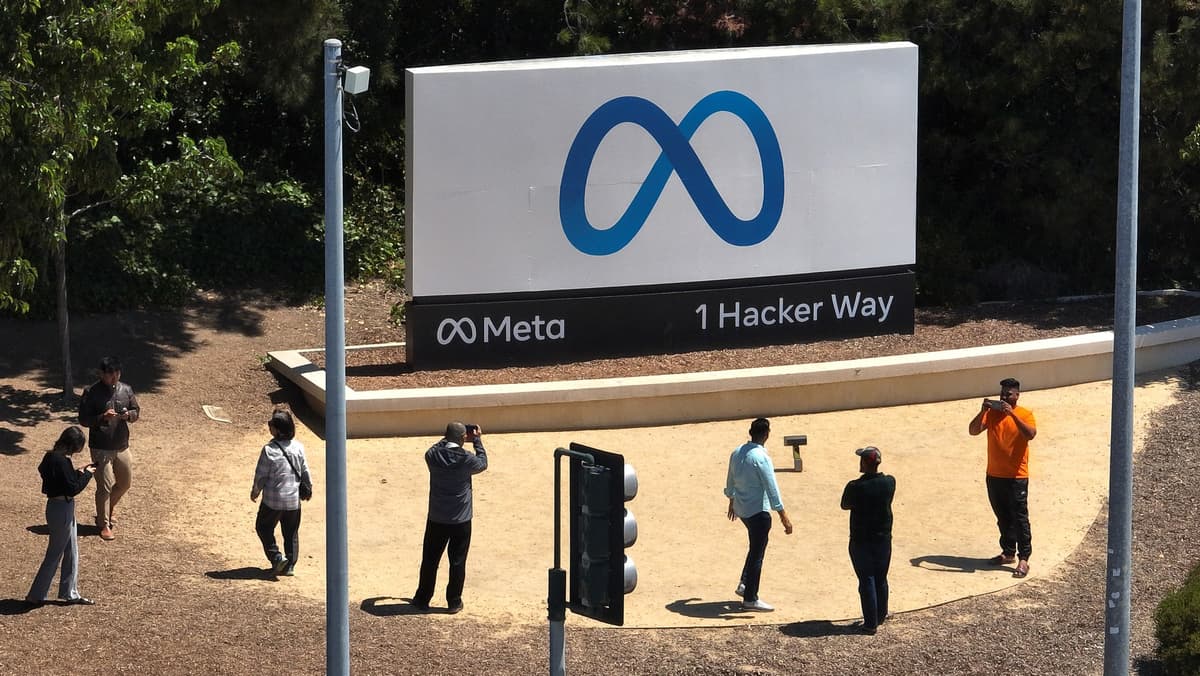
Meta has withdrawn a controversial feature from its Muse AI tools that allowed users to generate images and videos by tagging public Instagram accounts, effectively remixing their content without explicit permission.
The company announced the reversal Friday evening, just days after introducing the functionality. The feature had defaulted all public Instagram profiles to opt-in status, requiring users to actively disable it if they wanted to prevent their content from being referenced in AI-generated media.
Industry pushback over consent
The removal came after sharp criticism from major Hollywood institutions. Creative Artists Agency issued a statement Wednesday asserting that "no one's name, image, likeness, voice, or creative work should be used by any third party, including AI models, without clear, documented consent."
SAG-AFTRA, the actors' union, followed with its own condemnation, stating that "anything other than a clear and conspicuous OPT-IN for these types of uses of Instagram users' images is unacceptable, and an utter miscalculation of public sentiment regarding the obvious dangers and harms inherent in such use."
In its Friday statement, Meta acknowledged the misstep: "Our intent was to provide a useful creative tool and to give people control over whether their public content could be referenced in this way. We've heard feedback that this feature missed the mark, so it's no longer available."
Why it matters
The rapid reversal underscores the growing tension between AI companies seeking training data and content creators demanding control over their work. An opt-out default for using someone's likeness in AI-generated content represents a fundamentally different approach than the opt-in model Hollywood insists upon. As generative AI tools become more sophisticated at creating realistic images and videos, the question of consent and compensation for using existing content as reference material will remain a flashpoint between tech platforms and creative industries.
Pattern of AI overreach
The incident mirrors OpenAI's experience with its Sora video generation tool, which launched with insufficient intellectual property protections. That platform quickly became populated with AI-generated content featuring recognizable celebrities and copyrighted characters before OpenAI tightened restrictions and eventually discontinued the consumer-facing product to focus on enterprise customers.
Following Meta's decision to pull the feature, CAA released a second statement commending the company's "swift decision to remove the Muse Image feature," adding that "putting individual rights and consent at the forefront is essential to building responsible technology."
The details were first reported by The Hollywood Reporter.
This is an original analysis by the Omega editorial team. Source reporting: AI Watch.
Want systems like this working for your business?
Book a Call
