Microsoft emissions surge 25% as AI data centers expand
The tech giant's sustainability report reveals greenhouse gas pollution jumped in fiscal 2025, with more gas-powered facilities planned.
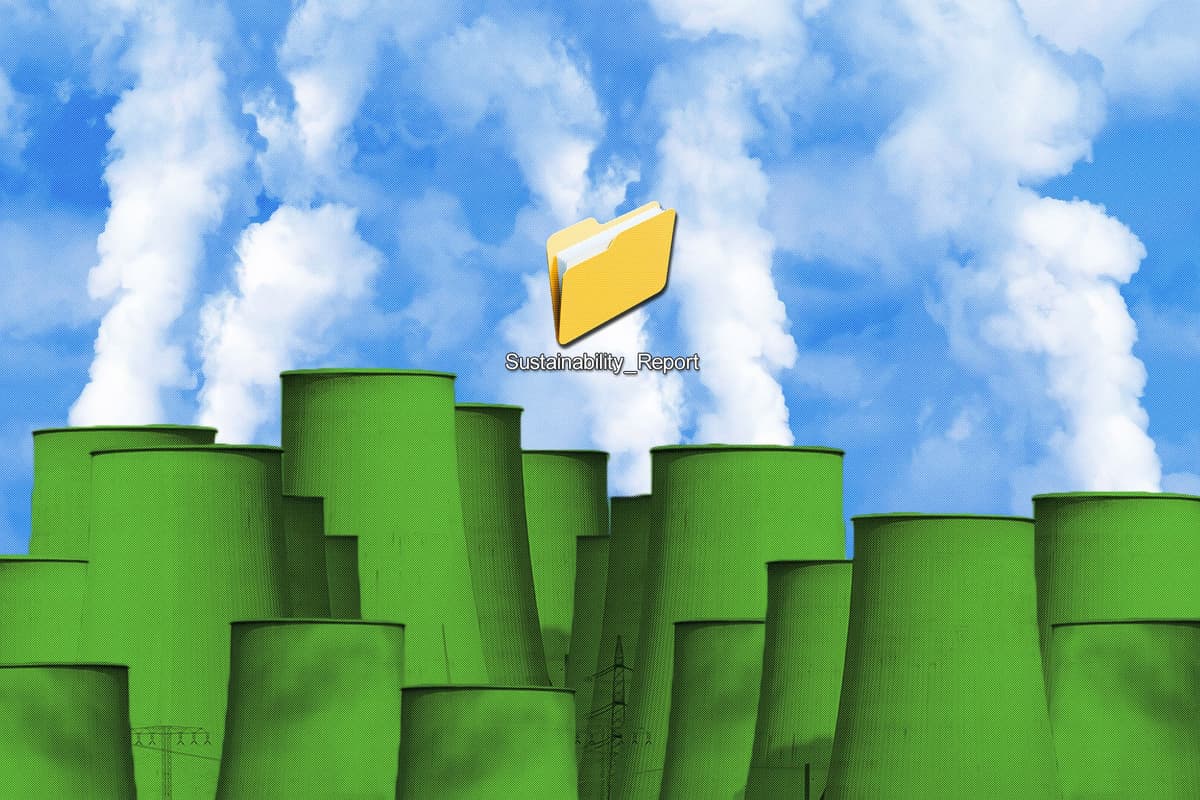
Data center buildout drives sharp emissions increase
Microsoft disclosed a roughly 25 percent jump in greenhouse gas emissions for its fiscal year 2025, which ended last June, according to the company's sustainability report released Thursday. The increase stems primarily from expanding data center infrastructure needed to support artificial intelligence workloads, executives said.
The disclosure, first reported by WIRED, follows similar announcements from Google and Amazon, which reported emissions increases of 18 percent and 16 percent respectively. The pattern underscores how the industry's AI ambitions are colliding with corporate climate commitments.
Microsoft vice chair Brad Smith and chief sustainability officer Melanie Nakagawa attributed the rise to data center expansion in a blog post accompanying the report. A significant driver was Scope 2 emissions—pollution from purchased or acquired energy—which accounted for 13 percent of the company's total emissions.
Why it matters
The emissions trajectory at Microsoft and its peers reveals a fundamental tension in the technology sector: AI systems require massive computational power, which demands energy infrastructure that often relies on fossil fuels. This reality is pushing net-zero commitments further out of reach despite substantial investments in renewable energy. For business leaders evaluating AI adoption, the environmental cost is becoming a material consideration alongside performance and budget.
Gas-powered facilities in the pipeline
The fiscal 2025 report doesn't capture Microsoft's most recent energy decisions. Since June, the company has announced several partnerships involving gas-powered data centers that could substantially increase future emissions.
Microsoft partnered with Chevron on a power plant for a West Texas data center that permits show could emit more than 11.5 million tons of CO2 equivalent annually—exceeding the entire state of Rhode Island's emissions. The company has also leased space at the Stargate campus in Abilene, Texas, where an onsite plant could emit more than 7.8 million tons annually. A third facility under consideration in West Virginia could add another 11 million tons of greenhouse gases.
In a statement to WIRED, Nakagawa said Microsoft is "exploring a variety of options for mitigating the emissions from its electricity consumption, consistent with our sustainability ambitions."
Shifting carbon accounting practices
Microsoft made one notable change that contributed to the Scope 2 emissions increase: the company stopped purchasing unbundled renewable energy certificates. These instruments have faced criticism as greenwashing because they don't necessarily add clean power to the grid.
Danny Cullenward, a researcher at the University of Pennsylvania, called the shift "highly commendable," noting that unbundled RECs are essentially "a paper transaction that is physically disconnected from real-world consequences." He said prioritizing power purchase agreements and long-term offtake contracts can actually bring new clean electricity online.
Microsoft reported matching 100 percent of its electricity consumption with carbon-free sources, though the company still maintains its goal of becoming carbon negative by 2030. Smith and Nakagawa acknowledged that the AI race is "increasing demand for energy, water, land, and materials," and said the company "has a responsibility to help ensure that technology strengthens, rather than strains, the systems and communities on which it depends."
Details were first reported by WIRED.
This is an original analysis by the Omega editorial team. Source reporting: WIRED.
Want systems like this working for your business?
Book a Call
