Meta Launches Muse AI Agent Amid Trust Questions
The personal assistant connects to email, payments, and calendars—but the company's privacy record may complicate adoption.
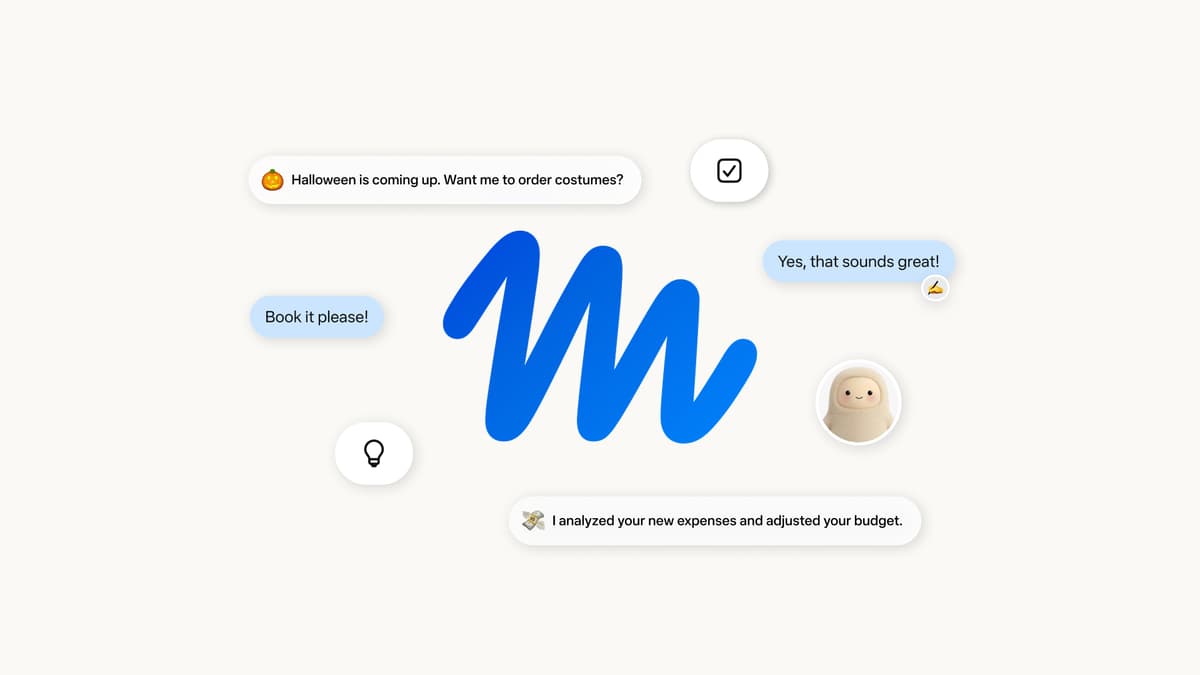
Meta has unveiled Muse, a personal AI agent designed to handle everyday tasks by connecting directly to users' email accounts, calendars, payment systems, and other services. The launch comes less than two weeks after the company agreed to an $18 billion multistate settlement over social media harms.
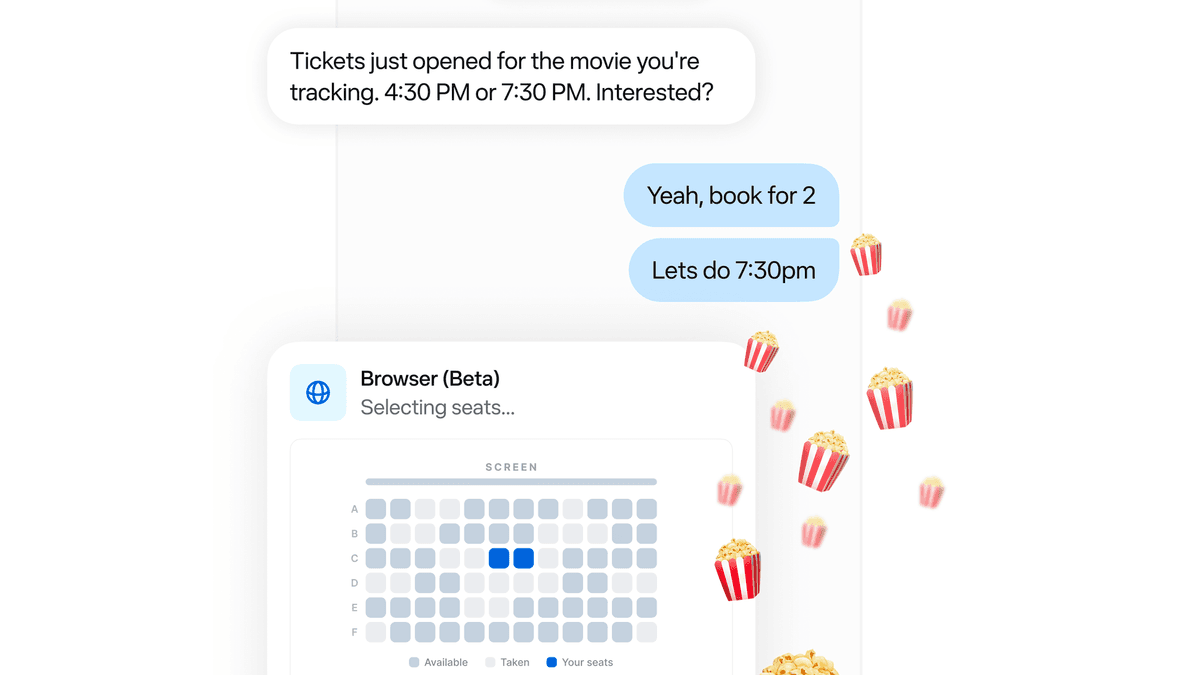
Muse represents Meta's most ambitious consumer AI product to date, requiring users to grant access to substantially more personal data than the company's social platforms ever requested. The agent can send emails, book travel, negotiate bills, fill out forms, convert recipe videos into shopping lists, and make purchases using Link by Stripe for checkout.
How Muse works
Users can selectively connect apps and services to Muse through built-in integrations or by providing API credentials for supported platforms. When no API exists, the agent accesses services through a browser. The system is powered by Meta's Muse Spark AI model and will be available through a web interface at muse.ai, dedicated iOS and Android apps, and WhatsApp conversations. Meta plans to add support for its AI glasses.
The service launches with a free tier, though Meta requires a payment card at signup. Two paid plans—Power at $20 monthly and Maximum at $100 monthly—offer expanded usage limits for delegating tasks. Meta expects most users to remain on the free tier, which includes a usage meter to track consumption.
Security architecture
Meta claims Muse operates in a dedicated virtual machine called Muse Secure VM, with a separate Sentinel agent monitoring security. According to the company, Muse cannot access passwords or payment methods directly, and user conversations remain isolated from Meta's advertising systems. These technical claims, detailed in a separate post released Tuesday, will require independent verification by security researchers.
Why it matters
Muse's success hinges on whether consumers will trust Meta with the keys to their digital lives. The company faces significant credibility challenges: FTC settlements in 2011, 2019, and 2023 for privacy violations; the Cambridge Analytica scandal; exposed user passwords in 2019; and the recent $18 billion settlement over social media harms to consumers. Meta has also paid $942 million in a New Mexico lawsuit over child safety and faces thousands of pending cases from school districts and individuals.
The timing is particularly fraught. AI agents from multiple companies are entering the market, and early products have sparked privacy concerns—some requiring broad, irrevocable licenses to user data for AI training purposes. Meta's approach of letting users customize Muse's name, avatar, and communication style may help build personal connection, but whether that outweighs the company's track record remains an open question.
The launch positions Meta in the emerging "agentic AI" market alongside competitors like Gemini Spark and Claude Cowork, which similarly aim to move beyond chatbots toward AI that executes tasks autonomously. The details were first reported by TechCrunch.
This is an original analysis by the Omega editorial team. Source reporting: AI Watch.
Want systems like this working for your business?
Book a Call