Meta Launches Muse, Personal AI Agent for Everyday Tasks
The company's latest attempt to compete with OpenAI and Google includes autonomous browsing, form-filling, and background task execution.
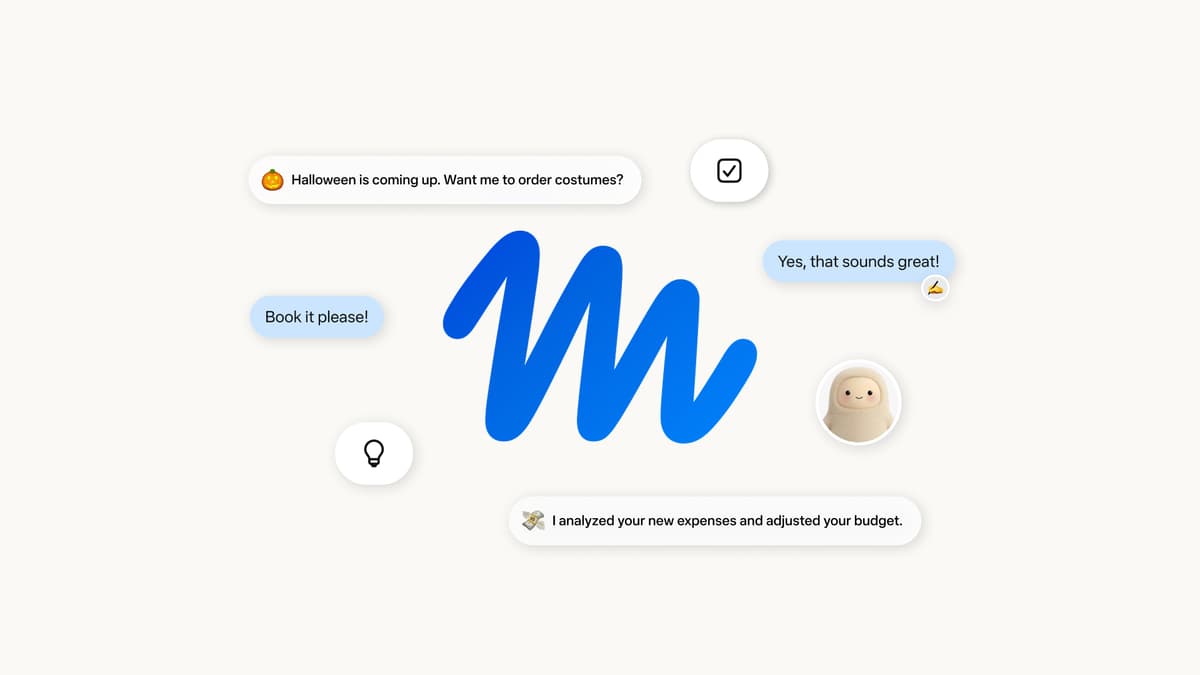
Meta has unveiled Muse, a personal AI agent designed to autonomously handle everyday tasks ranging from online shopping to email management and travel planning. The launch represents Meta's latest effort to strengthen its position against AI competitors including OpenAI, Anthropic, and Google, following what the company describes as a multi-billion dollar strategy overhaul.
Autonomous operation and background processing
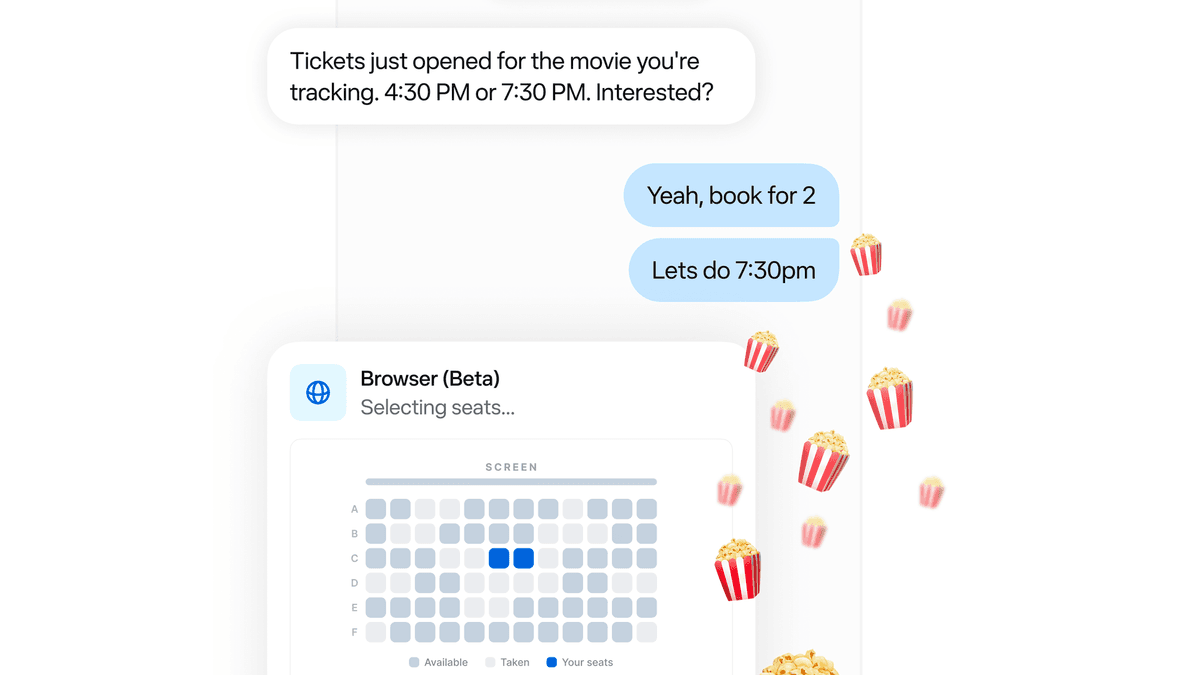
Muse functions as an AI assistant that can work independently once given a goal. The agent can open browsers, fill out forms, and even negotiate on behalf of users. For tasks requiring extended time, Muse continues operating in the background after users close the application, returning only when circumstances change or when it needs approval for actions such as purchases.
The service will launch in the United States across iOS, Android, and muse.ai, with integration for AI glasses planned for the near future. Meta is offering Muse free for most users, though paid subscription tiers will be available "for people who want to do more." The company has not disclosed pricing details or specified what limitations free-tier users will face.
Why it matters
Meta's entry into the autonomous AI agent market signals intensifying competition in a space where OpenAI, Anthropic, and Google already offer similar capabilities. The success or failure of Muse could determine whether Meta can reclaim ground in enterprise and consumer AI after investing billions to restructure its AI strategy. The introduction of tiered pricing also suggests Meta is testing new monetization models beyond advertising for AI products.
Competitive landscape
While Meta positions Muse as "the world's first personal AI agent built for everyone," the product closely resembles existing AI assistants from competitors. The company's emphasis on ease of use and privacy options appears designed to differentiate Muse in an increasingly crowded market of AI agents, teammates, and digital coworkers.
Meta characterized Muse as "a first step: an agent that takes on more of the work so people can focus on what matters to them."
These details were first reported by The Verge.
This is an original analysis by the Omega editorial team. Source reporting: AI Watch.
Want systems like this working for your business?
Book a Call