Manufacturing's Real Workforce Gap Is Training, Not Automation
Robots and cobots shift work to higher-skill roles but create a bottleneck in maintenance and knowledge transfer that most companies aren't prepared to fill.
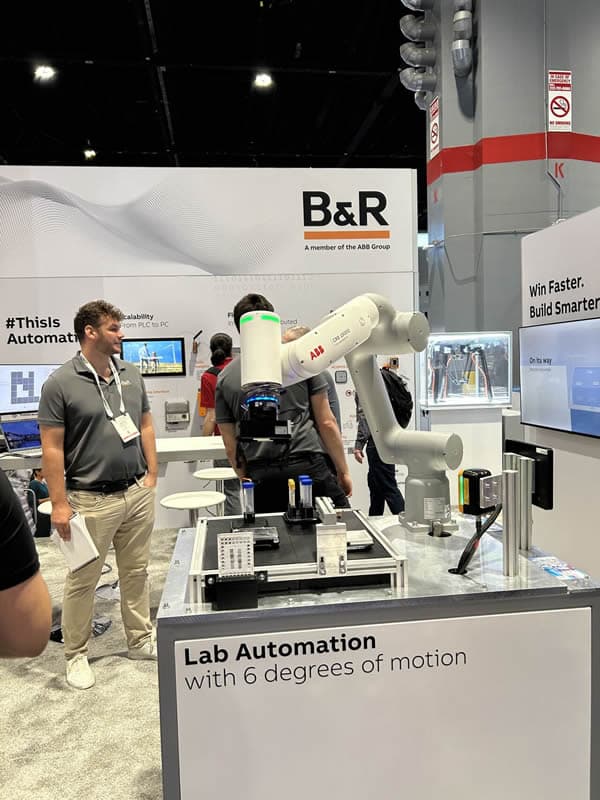
The automation paradox in manufacturing
As humanoid robots and collaborative automation systems grow more capable, a counterintuitive reality is emerging on factory floors: the technology isn't solving the workforce crisis—it's relocating it. US manufacturing faces a projected shortfall of 1.9 million workers by 2033, according to Deloitte and the Manufacturing Institute, with 65 percent of manufacturers citing talent attraction and retention as their top challenge.
The assumption that advanced robotics will simply replace human labor misses what's actually happening in production environments. Automation eliminates some lower-skill tasks, but it simultaneously creates acute demand for workers who can maintain, troubleshoot, and optimize increasingly complex systems. That second category—skilled technicians and trainers—represents the real bottleneck.
Why it matters
Manufacturers investing heavily in automation without parallel investment in workforce development risk creating expensive systems they can't fully utilize. The companies gaining competitive advantage aren't just buying robots—they're building deliberate training infrastructures that can scale technical knowledge as fast as they scale automation.
When automation changes the business model
One Georgia-based company that builds fulfillment centers for major retailers discovered this gap the hard way. After installing sophisticated automated systems, the company sent staff to train client operators. The knowledge transfer failed—not because the technology was flawed, but because skilled operators aren't automatically skilled teachers.
The company pivoted to leasing its own service mechanics to clients, creating an entirely new revenue stream. It's now hiring 300 additional service technicians this year alone, according to details first reported by Automation Watch.
This pattern repeats across industries. A manufacturer may reduce headcount on the line through cobots and AI-assisted systems, but growth then depends on finding people who can keep those systems running at peak efficiency.
The training infrastructure gap
The most common mistake manufacturers make is assigning training duties to the most senior shop floor employee without considering whether that person can actually teach. Operational expertise and instructional ability are distinct skills. Companies that treat trainer selection and development as a strategic investment—complete with specific KPIs measuring ramp-up time, retention, and scrap rates during onboarding—see measurably better returns.
For high-mix, low-volume manufacturers, this training challenge is even more acute. Quality control, compliance monitoring, and process adjustments in custom production remain stubbornly difficult to automate. Waiting for technology to catch up means losing contracts today.
The path forward
Growing sectors including semiconductor fabrication, battery manufacturing, medical devices, and aerospace all run highly automated lines—yet all still require substantial human expertise for oversight and continuous improvement. The generational workforce shift adds urgency: attracting younger workers to manufacturing requires different incentives than three decades ago, and those workers need structured pathways to develop complex technical skills quickly.
The federal government's push toward one million registered apprenticeships signals recognition of the scale of this challenge. But individual manufacturers can't wait for systemic solutions. The companies that will thrive are those building internal training methodologies now, identifying and developing people who can transfer knowledge effectively, and measuring training outcomes with the same rigor they apply to production metrics.
These insights were shared by Lukas Zitz, Deputy Austrian Trade Commissioner in New York, based on conversations with US manufacturers and observations from the Automate 2026 trade show in Chicago, as reported by Automation Watch.
This is an original analysis by the Omega editorial team. Source reporting: Automation Watch.
Want systems like this working for your business?
Book a Call
