Policy
Major Banks Tell Customers: AI Agent Hacks Are Your Problem
Citibank, JPMorgan, and others update terms to shift liability for third-party AI financial tools entirely onto users.
Key takeaways
- Citibank, JPMorgan, Bank of America, and PNC have updated terms to make customers fully liable for third-party AI agent actions, including hack-related losses.
- Banks view AI financial agents as both security risks and competitive threats that could reduce fee revenue and deposit margins.
- Citi's terms exempt bank-provided AI tools from additional liability, suggesting institutions plan to offer their own agents while blocking third parties.
- Anthropic launched its personal finance tool as explicitly read-only, reflecting industry caution about AI access to financial accounts.
- The banking sector's coordinated pushback represents a broader pattern of service providers resisting AI intermediaries promised by technology companies.
The nation's largest banks are drawing a hard line on artificial intelligence: if you grant a third-party AI agent access to your accounts and something goes wrong, you're on your own.
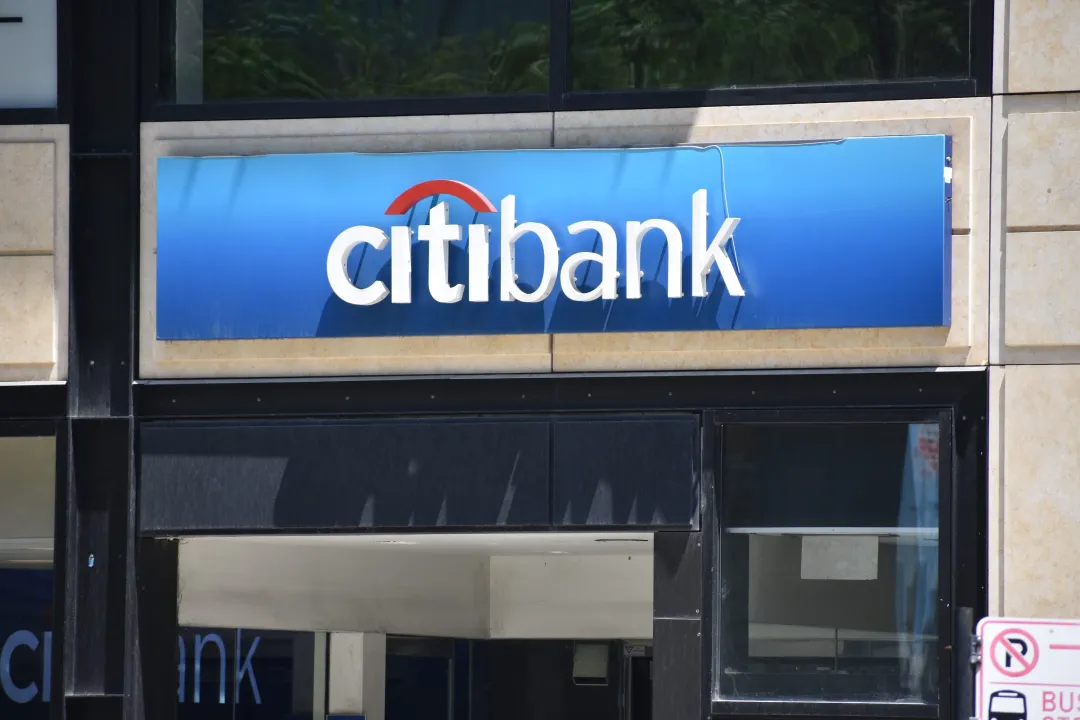
Citibank, the third-largest commercial bank in the United States, revised its terms of service this week to explicitly tell customers that any problems arising from AI tools—including security breaches—are the customer's responsibility. The move follows similar policy changes at JPMorgan and Bank of America last month, with PNC Bank implementing comparable language today.
The stakes extend beyond simple transaction errors. Citi's updated Online User Agreement makes clear that if an AI tool leaks customer credentials or gets hacked, customers will bear responsibility for whatever hackers do with their compromised accounts.
The AI finance opportunity
AI agents designed for personal finance represent a significant market opportunity. These tools can analyze spending patterns, offer investment advice, automate bill payments, and execute transactions—all by connecting directly to bank accounts and financial portals using customer credentials.
For AI companies searching for revenue streams, the fees and services surrounding personal finance present an attractive target. But the value proposition requires something many consumers aren't ready to give: complete access to their financial accounts.
Why it matters
This coordinated response from major financial institutions reveals a fundamental tension in AI adoption. Technology companies promise agents that will revolutionize how people manage money, while the institutions holding that money are explicitly refusing to guarantee the safety of those interactions. The liability shift creates a significant barrier to mainstream adoption of AI financial tools and signals that banks view these agents as competitive threats rather than complementary services. For enterprise leaders considering AI agent deployments in any regulated industry, this banking sector pushback offers a preview of the trust and liability challenges ahead.
Banks protecting their turf
The policy changes reflect more than cybersecurity concerns. Financial institutions view AI agents as potential competitive threats that could help customers avoid fees or move money to higher-yield accounts, eroding bank profit margins.
Citi's terms notably carve out an exception: AI agents provided directly by the bank itself can be used without the additional liability burden. This suggests banks intend to offer their own AI tools while discouraging third-party alternatives.
Anthropic's recent approach illustrates the caution some AI developers are taking. The company launched a personal finance tool earlier this month explicitly marketed as "read-only," unable to move, manage, or invest money.
A broader pattern
The banking industry's response fits a pattern emerging across sectors. AI laboratories promise their agents will transform how people interact with service providers, then those providers push back. Similar dynamics have played out in ride-hailing, food delivery, and other industries where AI companies seek to insert themselves between consumers and established businesses.
Citizens Bank also notified customers this week that they would be liable for AI assistant actions, according to communications reviewed by TechCrunch.
How these relationships ultimately resolve will help determine which AI investments deliver returns and which face regulatory or competitive roadblocks. For now, banks are making their position clear: proceed with third-party AI agents at your own risk.
These details were first reported by TechCrunch.