Loblaw's Automated Gate Handles 800 Trailers Daily in 3-4 Seconds
Canada's largest food retailer proves yard automation depends on enterprise system integration, not camera hardware—and the real project is data quality.
Automated gates clear trucks in seconds—but only after reconciling seven enterprise systems
Loblaw Companies, Canada's largest food retailer with CA$61 billion in annual revenue, has deployed automated gate technology at its flagship distribution facility that processes roughly 800 trailers daily—400 inbound, 400 outbound. Inbound trucks clear in approximately three seconds, outbound in four, compared to 30 seconds to five minutes at conventional facilities with staffed guard booths.
The company announced in September 2024 it would expand the technology from EAIGLE across multiple yards and distribution centers, according to FreightWaves, which first reported the operational details. The expansion follows live operations at the pilot site, where performance data reveals what works and what doesn't for operations leaders evaluating similar deployments.
Seven API calls drive every transaction
Every gate transaction triggers seven or eight API calls across separate enterprise systems, according to Amir Hoss, EAIGLE's chief executive. The systems include Manhattan Active, SAP, a supply chain hub layer, Blue Yonder, TruckMate, C3 Solutions for appointments, and Setaris for mechanical records.
Steve Freas, Loblaw's director of transportation systems, described the inbound sequence: the supply chain hub validates trailer contents, the transaction moves to yard management for trailer and content verification, staff receive live visibility of on-site assets, and shunt tasks trigger automatically once the trailer is checked into the yard management system.
The driver experience splits by fleet type. Loblaw's own fleet drivers—30 to 40 percent of traffic—use an in-house application generating instant QR codes. The remaining 60 to 65 percent from third-party carriers use a web application accessible via phone, kiosk touchscreen, or in-cab tablets from Samsara, Isaac, GeoTab, or Platform Science.
Exception handling moved inside to force adoption
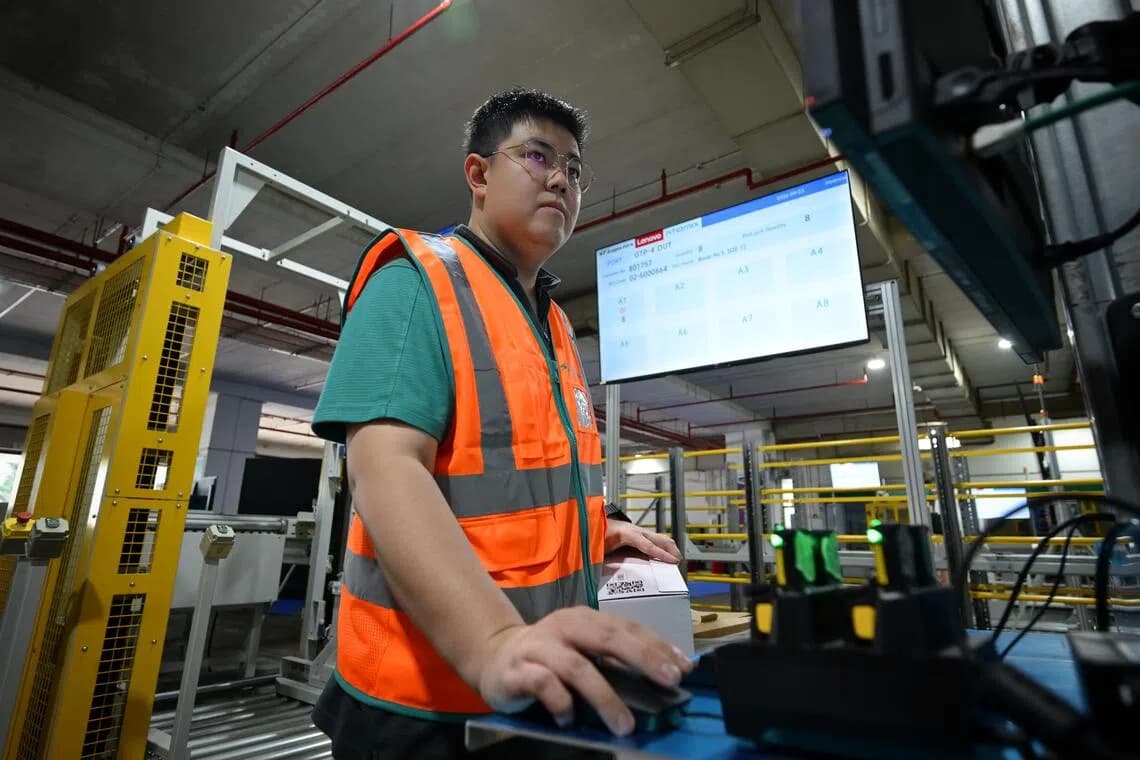
No automated gate clears every truck. At Loblaw's facility, exception handling runs from inside the building rather than from a booth. Heather Fallo, senior manager of transportation, described a monitor panel in her office connected to gate cameras, allowing her team to watch truck approaches, confirm boom operations, and manage flow.
Drivers who cannot complete transactions press a help button on the kiosk to reach the office. Operators can also call the kiosk directly or enter information on a driver's behalf to preserve data accuracy.
The most effective change management decision was removing the fallback option. Fallo stationed a team member outside near the gate for about two months, but drivers kept pulling up to talk to that person instead of using the kiosk. Moving the team inside to handle monitoring and exception work made the kiosk the only path, and adoption followed.
Infrastructure costs drop 90-95 percent for future sites
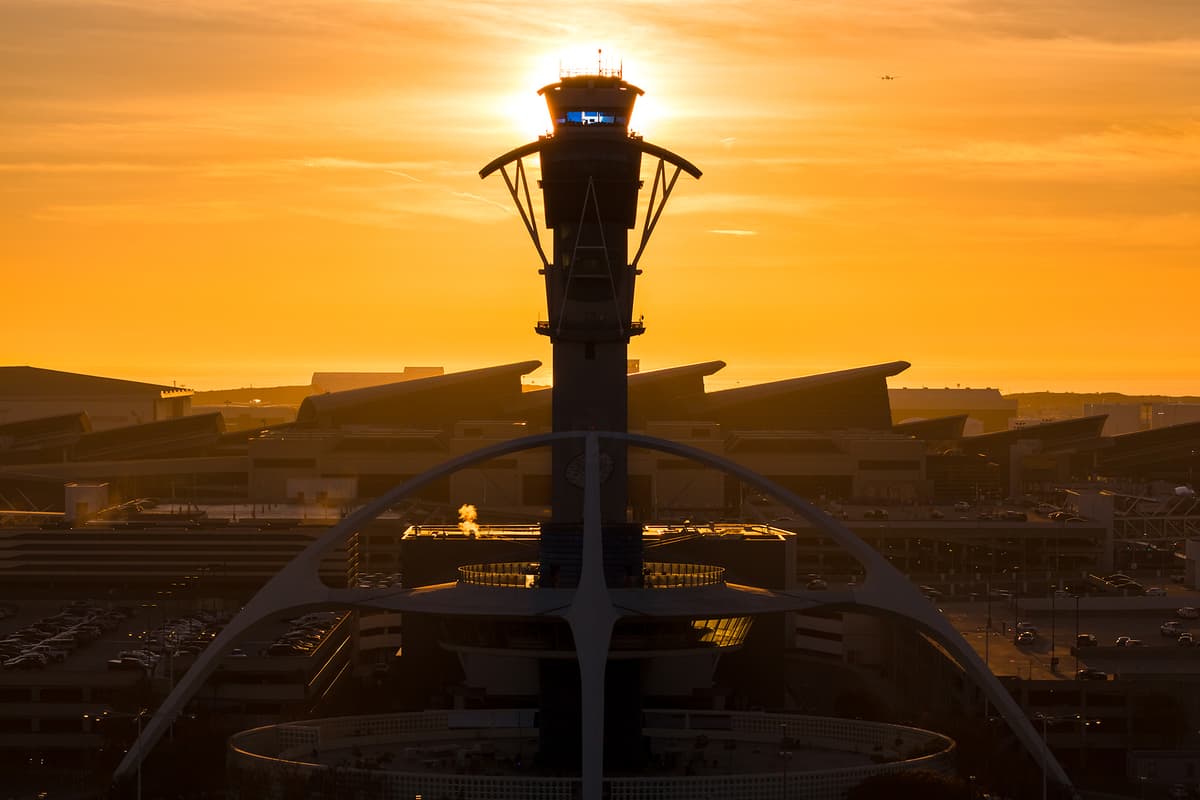
The pilot facility carries infrastructure that future locations won't need. The site was built around a different solution before Loblaw changed direction a year or two into the project. The existing setup includes a portal intermodal arc designed four or five years ago for an airport-style gateway.
What actually enables the current solution is low-cost posts carrying two cameras on each side. Four cameras replace the entire arc, representing an estimated 90 to 95 percent reduction in infrastructure cost for future installations. The cameras themselves are ordinary security cameras with no proprietary hardware—security remains the primary application while AI analysis runs as a parallel stream.
A second gate at the facility exists only as legacy from previous technology that couldn't associate a tractor passing under the arc with the tractor at the kiosk. It will be removed, and future Loblaw sites are designed as single-gate installations.
Exception categories reveal data problems, not camera problems
Optical character recognition depends on the interaction between what a driver keys in, what the camera reads, and what the yard management system holds—so discrepancies in any of the three surface at the gate. Trailer chain of custody generates its own exception category: Loblaw runs roughly 4,000 trailers nationally and carriers swap them routinely, requiring reconciliation when one carrier drops a trailer and another retrieves it. On the inbound side, appointment timing drives most exceptions, with tolerance configurable by carrier.
Freas noted that inbound validation currently keys on appointments, with reservation number validation coming in the next phase. The ability for drivers to key a load ID that calls the transportation management system directly is described as arriving shortly.
Why it matters
The three-second gate clearance depends on reconciling seven or eight enterprise systems in real time, which means operations leaders evaluating gate automation are really evaluating the condition of data they already own rather than the quality of a vendor's cameras. When the second installation costs a fraction of the first—thanks to commodity cameras replacing custom infrastructure—the decision shifts from a capital approval to a network rollout plan. Loblaw is currently assessing ten sites, with the next going live in mid-November and plans to automate gates at close to half of its 26 distribution centers over the next couple of years.
The operational details were first reported by FreightWaves in a facility walkthrough with Loblaw and EAIGLE representatives.
This is an original analysis by the Omega editorial team. Source reporting: Automation Watch.
Want systems like this working for your business?
Book a Call