Indiana Residents Face Higher Bills as AI Data Centers Expand
Gary community leaders warn that utility customers may bear the cost of infrastructure needed to power massive new facilities.
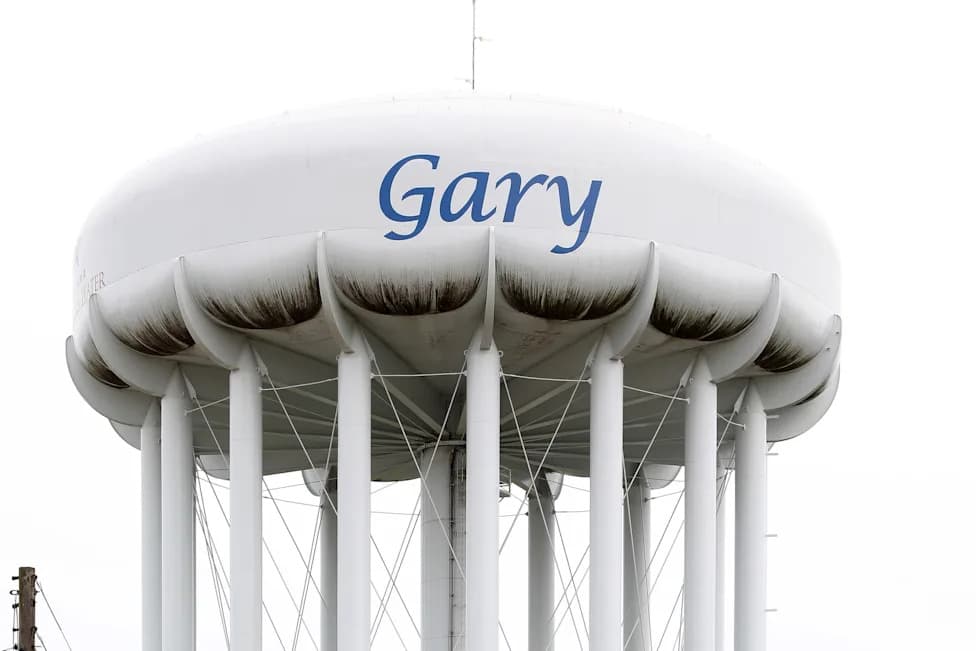
Utility costs surge as data center growth accelerates
Residents in Gary, Indiana are pushing back against the expansion of AI data centers in their state, warning that ordinary utility customers may end up financing the electrical infrastructure required to power these massive facilities while already struggling with rising energy bills.
The concern came to a head at a July 15 public forum where local officials and advocacy groups presented data showing sharp increases in household utility costs. According to figures shared at the meeting, monthly electric bills for a household using 1,000 kilowatt-hours jumped by approximately $83 between 2023 and 2025, while natural gas bills rose by roughly $36 per month, as first reported by Capital B News.
Kerwin Olson, executive director of the Citizens Action Coalition, told attendees that customers of Northern Indiana Public Service Company (NIPSCO) are already under financial pressure from these increases.
The Amazon data center deal raises questions
The coalition highlighted NIPSCO's agreement tied to Amazon's New Carlisle data center campus, a project expected to span more than 30 buildings. While NIPSCO claims the deal will return $1 billion in credits to ratepayers, the Citizens Action Coalition calculated that the figure would reach approximately $3.5 billion if Amazon paid transmission rates comparable to other large industrial customers.
The utility is simultaneously dealing with fallout from gas meter errors that resulted in more than 3,500 customers being billed for roughly double their actual usage.
Why it matters
The expansion of AI data centers creates a fundamental tension between technological advancement and equitable cost distribution. These facilities require continuous, massive amounts of electricity to train and operate AI systems, placing unprecedented demands on regional power grids. While AI offers potential benefits in agriculture, scientific research, and productivity, the infrastructure costs and energy consumption often fall disproportionately on nearby communities.
Community organizer Carolyn McCrady argued that state policies are forcing municipalities into difficult positions. "They put cities and towns in a situation where they're going to go under, and then they have to accept these data centers," she said.
Regulatory scrutiny and local response
The Citizens Action Coalition announced plans to pursue full refunds for customers affected by NIPSCO's meter errors. Meanwhile, the Indiana Utility Regulatory Commission has launched a formal investigation into "trackers"—the charges utilities use to recover infrastructure and other costs outside standard rate cases.
Some Gary officials are considering stronger measures. Michaela Spangenberg of the Gary Education Coalition urged a moratorium on new data center approvals, stating that such a pause would "buy you time" and provide immediate protection for residents.
Council Vice President Darren Washington raised concerns about a state policy that could require customers to pay development costs for future nuclear projects even if those projects never materialize. "Are we really going to force low-income households, working-class Hoosiers, single moms, retirees, disabled veterans to pay project development costs for a company like Google that has a balance sheet in excess of $4 trillion?" he asked.
Washington expressed openness to a moratorium but emphasized the need for coordination with the executive branch.
These details were first reported by Capital B News.
This is an original analysis by the Omega editorial team. Source reporting: AI Watch.
Want systems like this working for your business?
Book a Call
