NYC's Former Schools Chief Opposes AI Ban in Elementary Classrooms
David Banks argues a moratorium will leave students further behind as the technology becomes ubiquitous.
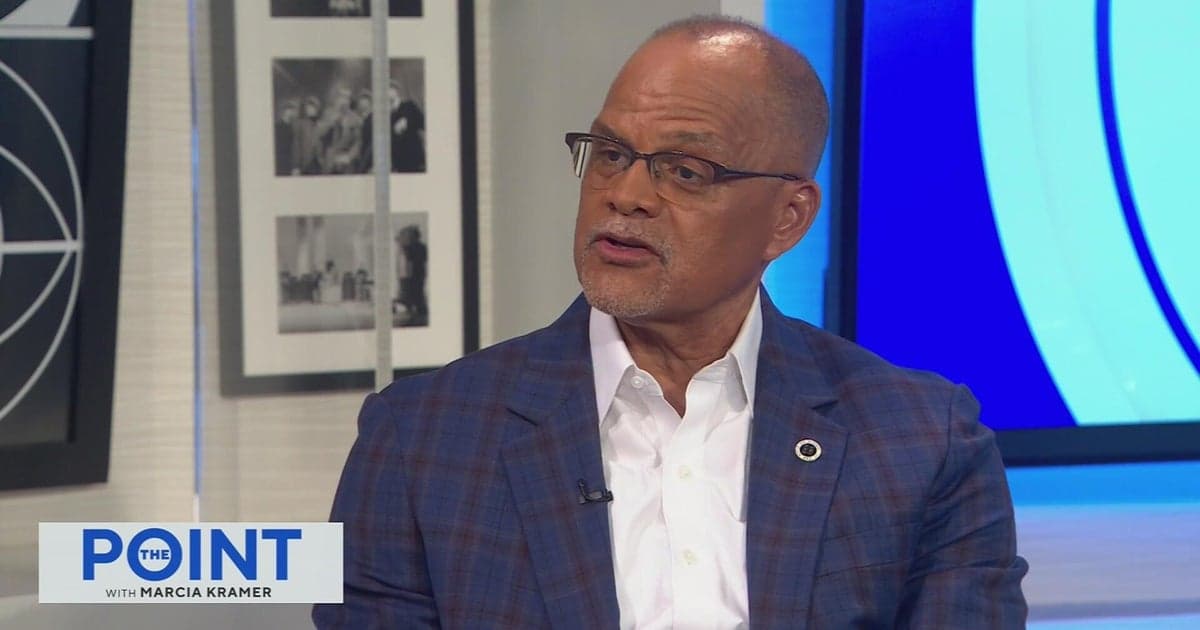
Former chancellor warns against AI moratorium
New York City's decision to restrict artificial intelligence use in public elementary and middle school classrooms has drawn sharp criticism from the official who led the school system until recently. David Banks, who served as Schools Chancellor from January 2022 through mid-October 2024, called the approach a mistake that will leave students unprepared.
Mayor Zohran Mamdani announced at least a one-year ban on generative AI in schools below the high school level, effective before the September 10 start of the academic year. The City Council had pushed for an even longer two-year moratorium, citing concerns about inadequate data privacy protections and insufficient research in the Department of Education's draft guidance on AI use.
Why it matters
The debate reflects a fundamental tension in education policy: whether to restrict emerging technologies until comprehensive safeguards exist, or embrace them early to prevent students from falling behind. With AI tools already widely accessible outside school walls, the question isn't whether students will encounter the technology, but whether schools will help them navigate it responsibly.
Banks: Students already using AI regardless
"AI is here. It's all around us. Our kids are engaged with AI, whether they are doing it in school or not," Banks said during an appearance on The Point with Marcia Kramer. He acknowledged the need for appropriate safeguards but argued these should vary by grade level rather than imposing blanket restrictions.
"While I certainly understand putting up the proper guardrails and the way that you engage young people with AI, it's different between second grader and a 10th grader," Banks explained. "You got to be able to have the level of distinction that's necessary."
Banks characterized the moratorium as avoidance rather than prudent caution. "The two-year moratorium sounds to me like putting your head in the sand," he said. "Two years from now, I believe we'll just be further behind."
Competing priorities in education technology
The City Council's concerns center on protecting student data and ensuring adequate research before widespread deployment. These privacy considerations have become increasingly important as education technology companies collect vast amounts of information about student behavior and performance.
Richard Buery Jr., current CEO of Robin Hood and another guest on the program, discussed a three-point plan for educating parents about AI technology, though specific details of that plan were not provided.
The restriction affects one of the nation's largest school systems, with implications for how other districts approach similar decisions about integrating AI tools into classrooms.
These details were first reported by CBS New York.
This is an original analysis by the Omega editorial team. Source reporting: AI Watch.
Want systems like this working for your business?
Book a Call