Illinois enacts AI accountability law targeting major developers
Governor Pritzker signs legislation requiring transparency frameworks and third-party audits for companies meeting revenue and compute thresholds.
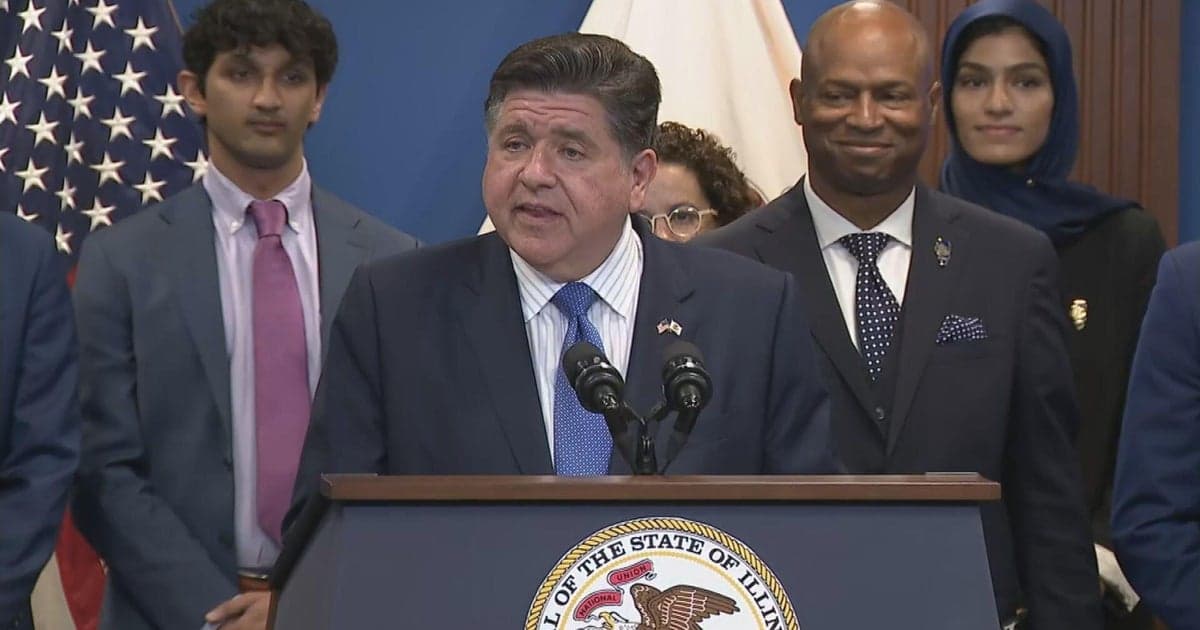
Illinois has become the latest state to establish regulatory guardrails for artificial intelligence development, with Governor JB Pritzker signing Senate Bill 315 into law on Monday. The legislation targets the most capable AI systems built by the largest companies, requiring new transparency and accountability measures.
The bill passed unanimously through both chambers of the Illinois legislature in May, with the state House approving it 110-0 and the Senate voting 52-5 in favor. Illinois lawmakers modeled the legislation after 2025 laws enacted in New York and California, aiming to build momentum toward a national regulatory standard in the absence of federal action.
What the law requires
Senate Bill 315 applies to AI developers meeting specific thresholds: companies with at least $500 million in revenue and systems requiring massive computing resources. Under the new law, these developers must create and publicly release transparency frameworks that detail how they apply industry standards, measure model capabilities and catastrophic risk potential, and identify and respond to safety incidents.
A more contentious provision mandates that developers employ independent third-party auditors to verify compliance with their published frameworks. TechNet, a coalition representing technology executives across the industry, has raised concerns about this auditing requirement.
Notably, OpenAI and Anthropic both supported the legislation throughout the legislative process.
Why it matters
The law represents a state-level response to what policymakers view as inadequate federal oversight of rapidly advancing AI systems. By establishing concrete requirements for transparency and external verification, Illinois joins a growing coalition of states attempting to create de facto national standards through coordinated legislation. The bipartisan support—including unanimous passage in the House—suggests broad political consensus that some form of AI regulation is necessary, even as debates continue over specific implementation details.
State leadership amid federal vacuum
Governor Pritzker framed the legislation as addressing both the transformative potential and catastrophic risks of AI technology. He criticized what he characterized as insufficient federal leadership and a "mindless rush to riches among private-sector tech leaders" that has created "a race to the bottom."
The governor specifically cited concerns about inadequate protection of personal information, harmful model behavior, and unintended algorithm vulnerabilities as serious threats requiring state intervention.
State Senator Mary Edly-Allen, who sponsored the bill, compared the current AI landscape to the "wild, wild West" and argued that lawmakers must avoid repeating their delayed response to social media platforms, which operated with minimal regulation for years before facing increased scrutiny.
Illinois Attorney General Kwame Raoul and House Speaker Emanuel "Chris" Welch joined Pritzker at the signing ceremony Monday morning.
These details were first reported by CBS News Chicago, with contributions from Capitol News Illinois.
This is an original analysis by the Omega editorial team. Source reporting: The Verge.
Want systems like this working for your business?
Book a Call
