ARM Institute Seeks AI Automation Projects for Defense Manufacturing
New initiative targets drone production and other weapons systems as low-cost UAVs reshape modern warfare economics.
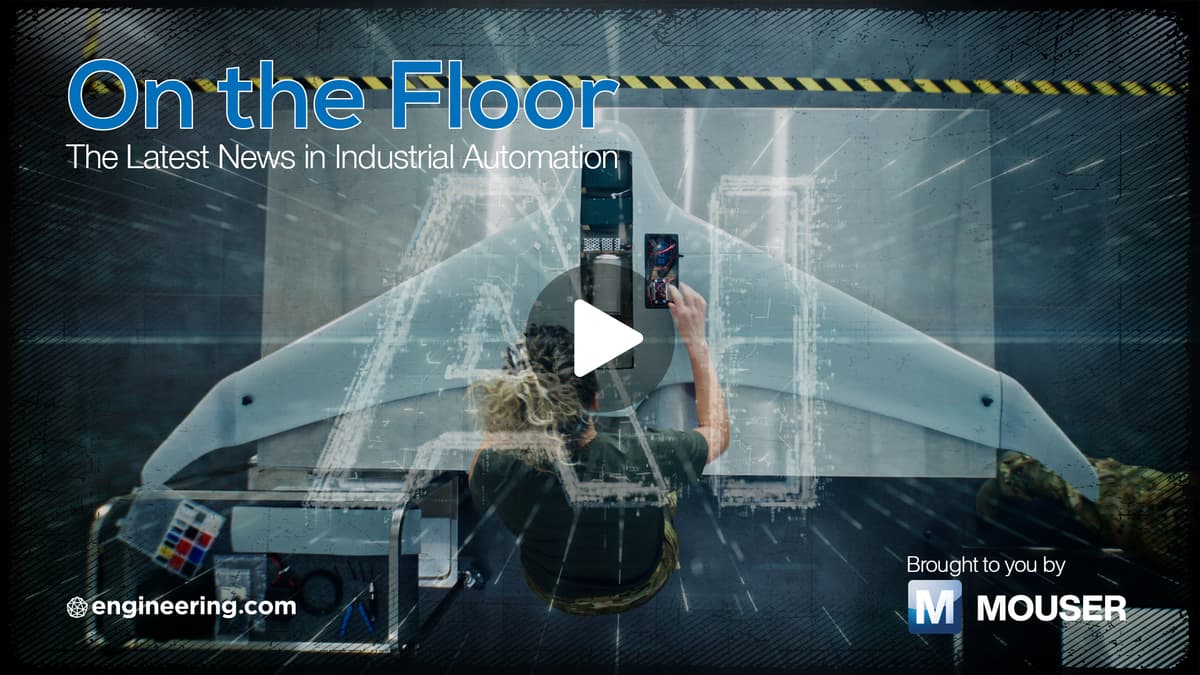
Defense manufacturing gets automation push
The Advanced Robotics for Manufacturing Institute has launched a new initiative calling for project proposals that apply advanced industrial automation to defense production. The program aims to reduce cost and acquisition barriers for the Department of Defense, with submissions open to the public through a September 16, 2026 deadline.
The initiative focuses on multiple technology areas including drones, shipbuilding, and metal forming—sectors where increased automation could significantly accelerate production capacity and reduce unit costs.
Why it matters
Recent conflicts have exposed a critical gap in defense manufacturing: the ability to rapidly produce weapons at scale. Low-cost unmanned aerial vehicles have proven capable of overwhelming sophisticated air defense systems, forcing militaries to expend expensive interceptor missiles against cheap drones. This asymmetric cost equation creates urgent pressure to manufacture defensive and offensive systems in much higher volumes—a challenge that requires fundamental changes in production methods rather than incremental improvements.
Warfare economics drive manufacturing urgency
Conflicts in Ukraine and the Middle East have demonstrated how inexpensive UAVs have altered the calculus of 21st-century warfare. These systems can saturate modern air defenses and force adversaries to deploy costly countermeasures, creating significant economic advantages for attackers who can produce drones in volume.
This dynamic has elevated mass production capability from a peacetime efficiency concern to a strategic military requirement. The ability to manufacture weapons systems quickly and affordably now directly impacts military readiness and deterrence.
Automation as strategic capability
The ARM Institute's program recognizes that advanced robotics and AI-driven automation represent more than cost-saving measures—they're enablers of production scale that traditional manufacturing approaches cannot match. By reducing labor requirements and increasing throughput, automated systems can help defense contractors meet surge demand during conflicts while maintaining lower unit costs during peacetime production.
The initiative's broad scope, covering everything from UAV assembly to shipyard operations and precision metal forming, reflects the diverse manufacturing challenges facing defense production. Each area requires different automation approaches but shares the common goal of increasing output while controlling costs.
The program structure, with its extended timeline running through September 2026, suggests the ARM Institute expects substantial development work rather than deployment of existing solutions. This timeframe allows for research, prototyping, and validation of novel automation approaches tailored to defense manufacturing requirements.
Details of the initiative were first reported by Automation Watch.
This is an original analysis by the Omega editorial team. Source reporting: Automation Watch.
Want systems like this working for your business?
Book a Call
