Grid Dynamics Partners with Doosan Robotics on AI-Driven Cobots
The collaboration integrates Grid's GAIN physical AI platform with Doosan's collaborative robots deployed across 45 countries.
Grid Dynamics and Doosan Robotics Team Up for Industrial AI
Grid Dynamics has formed a strategic partnership with Doosan Robotics to deliver integrated AI-powered automation systems for manufacturing and logistics operations. The collaboration pairs Grid Dynamics' GAIN Platform for Physical AI with Doosan's collaborative robot hardware, creating a combined software-and-hardware solution for industrial customers.
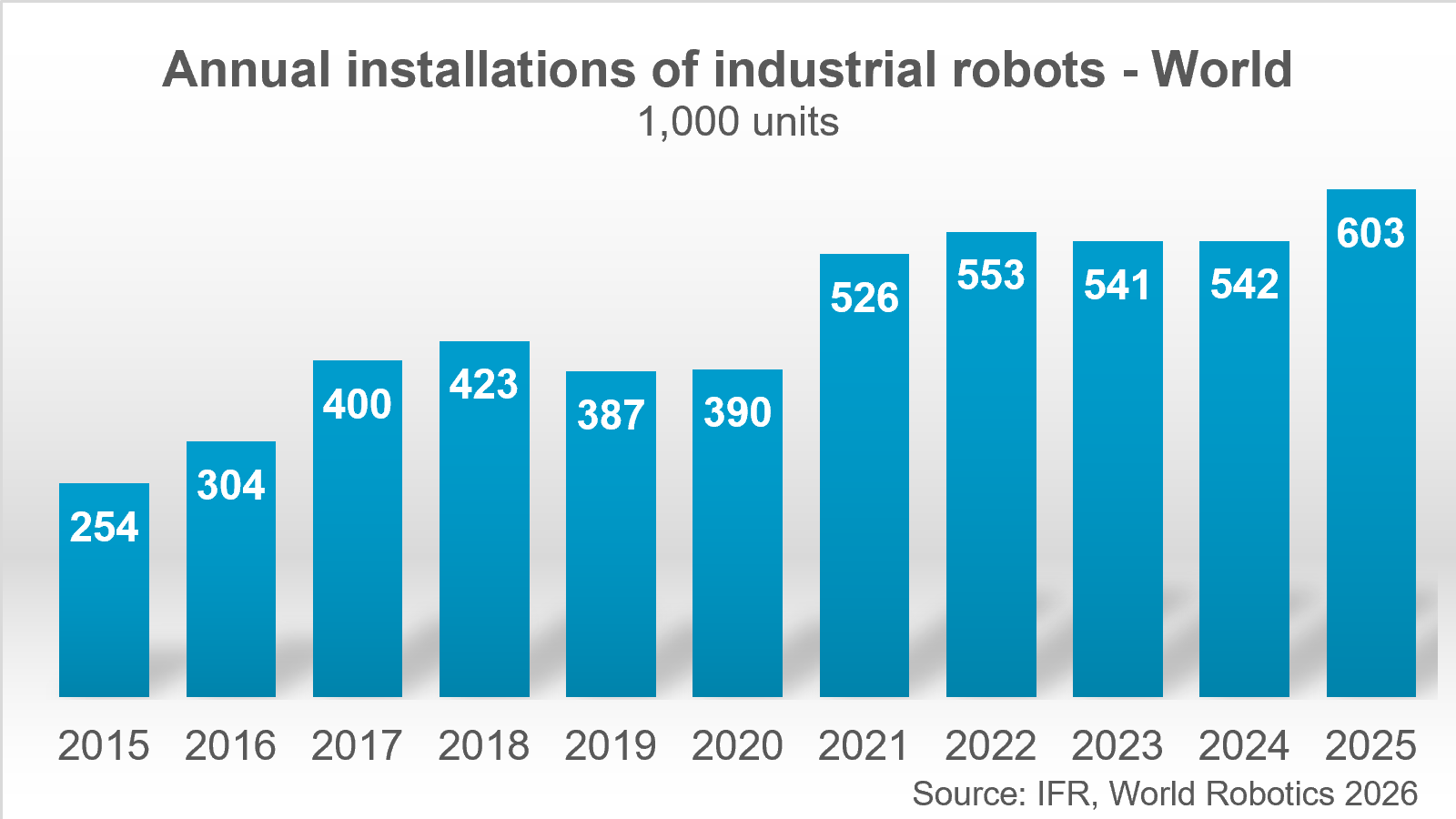
Doosan's cobots currently operate in 45 countries, and the partnership aims to expand their capabilities by adding advanced AI control systems that can handle more complex manipulation tasks.
Targeting Production Challenges Traditional Robotics Struggle With
The joint offering focuses on production environments where conventional robotic systems fall short. Specific use cases include dual-arm assembly operations, variable assembly tasks that require adaptation to changing conditions, and complex inspection and packaging workflows.
Grid Dynamics' GAIN Platform provides the software layer that enables users to design robotic manipulation workflows, deploy physical AI models that control robot movement and decision-making, and monitor robotic production lines through digital twin technology. Digital twins are virtual replicas of physical systems that allow operators to test configurations, track performance, and optimize operations without disrupting actual production.
Why It Matters
Manufacturers face mounting pressure to automate tasks that require dexterity, adaptability, and real-time decision-making—capabilities that traditional fixed automation and basic collaborative robots often lack. By combining specialized physical AI software with proven cobot hardware, this partnership addresses a critical gap in the market for production-grade automation that can handle variability. The focus on robotics policy control—the software layer that determines how robots respond to changing conditions—represents an important step toward more flexible manufacturing systems that can adapt without extensive reprogramming.
Joint Development and Market Strategy
Beyond the immediate product integration, the partnership includes coordinated go-to-market initiatives and ongoing research and development efforts. The companies plan to advance robotics policy control technology, which governs how robots make decisions and adjust their actions in dynamic environments.
This R&D focus suggests the partnership aims to push beyond current automation capabilities, working toward systems that can handle greater variability and complexity in manufacturing and logistics settings.
The details of this partnership were first reported by The AI Insider.
This is an original analysis by the Omega editorial team. Source reporting: Automation Watch.
Want systems like this working for your business?
Book a Call