AI
Google to Shut Down Nest App and Replace Assistant with Gemini
The company will consolidate smart home control into Google Home and transition voice features to its AI platform by mid-2027.
Key takeaways
- The Nest app will shut down on January 25, 2027, with all device management moving to the Google Home app.
- Google will automatically migrate Nest devices, video history, and subscriptions to Google Home on the shutdown date.
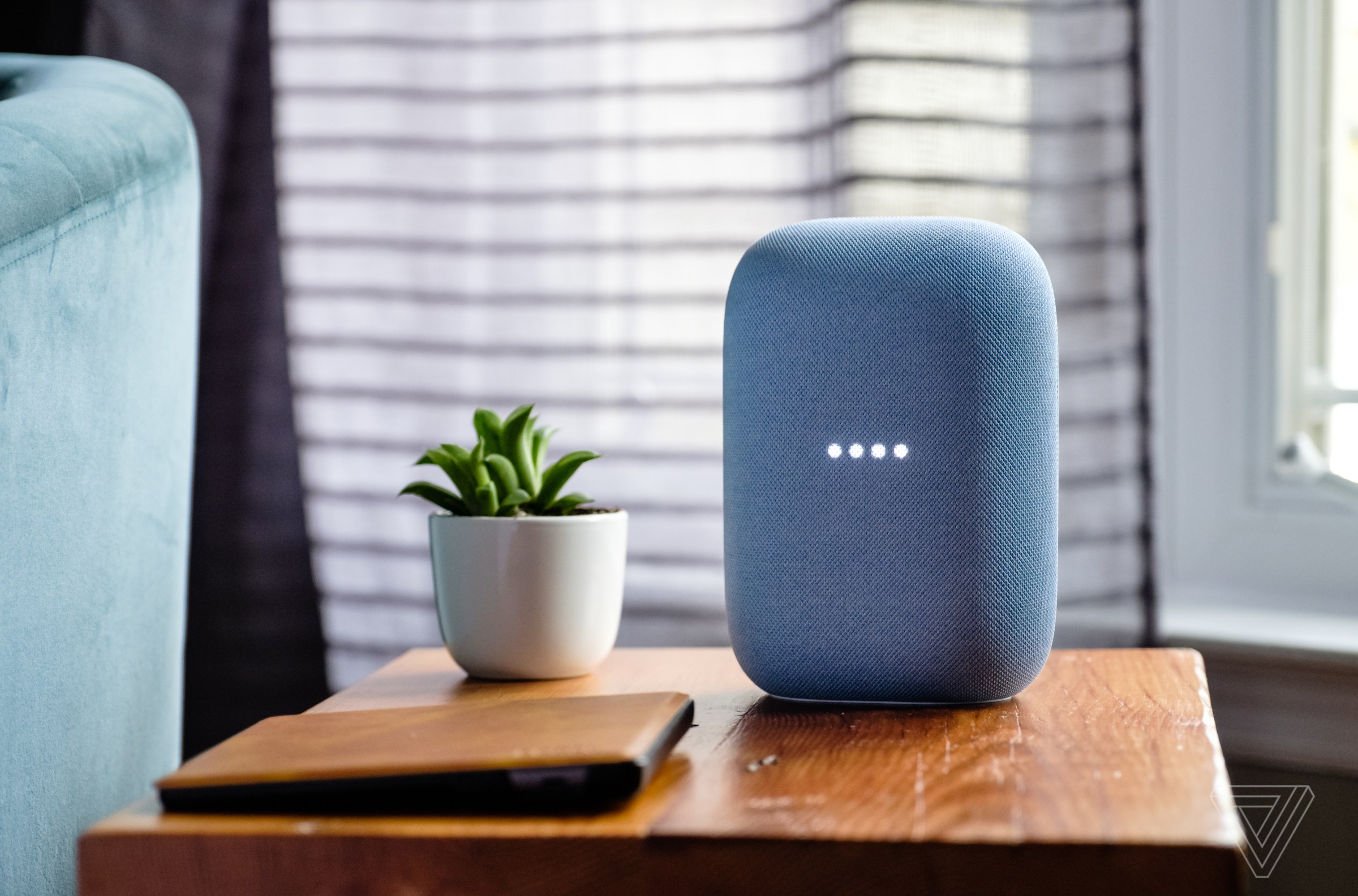
- Gemini for Home will replace Google Assistant on smart speakers and displays starting August 2, 2027.
- Users have seven months to transition to Google Home before Nest account data deletion begins in March 2027.
- The changes continue Google's company-wide shift from Assistant to Gemini as its primary AI interface.
Google is executing a major consolidation of its smart home ecosystem, retiring both the standalone Nest app and Google Assistant in favor of unified platforms built around its newer AI technology.
The company will shut down the Nest app on January 25, 2027, according to details first reported by The Verge. After that date, users will manage all Nest products—including thermostats, cameras, and Protect smoke alarms—exclusively through the Google Home app.
Migration timeline and data handling
Google plans to automatically migrate Nest devices and associated data to the Google Home app on the January 25 shutdown date. This includes camera feeds and stored video history. Users with Nest Aware (1st Gen) subscriptions will see those plans automatically converted to Google Home Premium.
The company will begin deleting Nest account data two months later, on March 25, 2027. Users who want to maintain access to their devices will need to set up the Google Home app before the January deadline.
Gemini replaces Google Assistant on smart displays
The second major change arrives August 2, 2027, when Gemini for Home will replace Google Assistant as the voice interface on Google's smart speakers and smart displays. The company positions Gemini for Home as a more capable assistant that can handle complex questions and natural conversation without requiring users to memorize specific commands or phrase requests in particular ways.
This transition follows Google's earlier decision to discontinue Google Assistant on Android phones, making the August 2027 change a continuation of the company's broader shift toward Gemini as its primary AI interface across products.
Why it matters
Google's consolidation reflects the challenge of maintaining multiple overlapping platforms as AI capabilities evolve. For businesses and consumers invested in Google's smart home ecosystem, the changes mean learning new interfaces but potentially gaining more powerful voice interaction. The extended timeline—seven months for the app migration, fourteen months for the voice assistant swap—gives users and developers substantial lead time to adapt. However, it also signals that Google's smart home strategy remains in flux, which may give pause to enterprise customers evaluating long-term platform commitments.
Google indicated it will provide additional details about the transition process as the August 2027 deadline approaches. Gemini for Home was first announced in 2024, making this week's timeline the first concrete date for its full deployment.
The Verge first reported these changes.