AI
Anthropic IPO exposes tension between AI safety and profit
The Claude maker's public debut raises questions about whether safety commitments can survive shareholder pressure and $900 billion compute bills.
Key takeaways
- Anthropic became the first pure AI lab to go public, with shares climbing from $83 to $111 on opening day
- The company faces pressure to increase revenue 17-fold over the next decade while paying an estimated $900 billion in compute costs
- Enterprise customers are developing internal benchmarks to minimize use of expensive frontier models in favor of cheaper alternatives
- Anthropic's unusual governance structure gives founders control but won't shield the company from market pressure to prioritize profits
- The company's "safe AI" branding is now in direct tension with shareholder demands for revenue growth
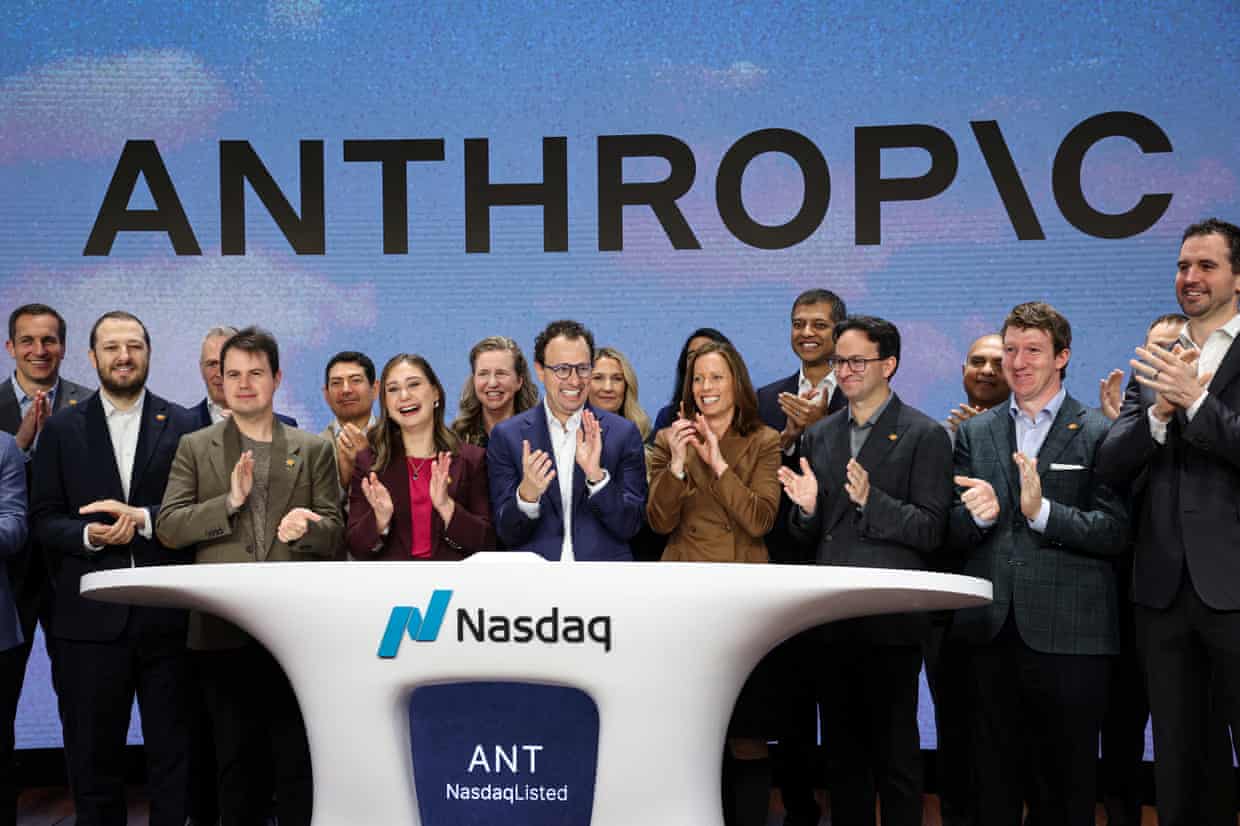
Anthropic, the AI lab behind Claude, made its public debut on Nasdaq last Thursday in a landmark moment for the artificial intelligence industry. The company priced shares at $83 and saw them climb to $111 on opening day, creating what The Verge estimates will be thousands of new millionaires among employees and investors.
But the real story isn't the valuation — it's whether Anthropic can maintain its safety-first positioning while meeting the demands of public markets and paying compute bills projected at roughly $900 billion over the coming years.
The profitability challenge
Anthropic faces fundamental business pressure now that it's public. The company must sell AI tokens for more than they cost to produce while simultaneously funding expensive safety research and competing with OpenAI on compute capacity. One analyst estimate cited by The Verge suggests Anthropic needs to increase revenue roughly 17-fold within the next decade to deliver returns comparable to other tech companies.
The company has already faced customer backlash over price increases, with individual users complaining about costs being passed down to them. Meanwhile, enterprise customers are developing their own internal benchmarks to determine which tasks warrant expensive frontier models versus cheaper alternatives — a trend that threatens Anthropic's pricing power.
Microsoft CEO Satya Nadella told reporters this week that his company aims to drive token prices down and make AI vendors fungible underneath products like Copilot. That strategy directly conflicts with Anthropic's need to maintain or increase margins.
Governance structure under scrutiny
Anthropic has adopted an unusual corporate structure similar to OpenAI's, where shareholders cannot vote out executives and founders retain significant control through a special trust. While this theoretically insulates the company from short-term profit pressure, corporate governance experts told The Verge that market forces will still compel Anthropic to prioritize revenue growth.
"It doesn't matter if shareholders have a say here really in voting," The Verge's Hayden Field reported. "Anthropic is going to be under so much pressure to make money and to buy compute and catch up with OpenAI that this is going to be a huge reckoning for them."
The company's primary competitive advantage remains its "safe, trustworthy AI" branding — the same positioning now in tension with profit demands. Small and medium-sized businesses are already creating internal tools to minimize their use of expensive Anthropic models, routing simpler tasks to cheaper alternatives.
Why it matters
Anthropic's IPO represents the first major test of whether AI safety commitments can survive in public markets. The company's struggle to balance idealistic goals with shareholder returns will likely preview similar challenges for OpenAI and other AI labs considering going public. If expensive safety research becomes a casualty of quarterly earnings pressure, it could reshape how the industry approaches AI development and governance.
These details were first reported by The Verge in a podcast conversation between editor-in-chief Nilay Patel and senior AI reporter Hayden Field.