Google DeepMind's Backstory tool automates image verification
The experimental AI assistant runs provenance checks, reverse image searches, and manipulation detection in one workflow for fact-checkers.
Google DeepMind has released an experimental tool that consolidates multiple image verification steps into a single AI-powered workflow, addressing a persistent bottleneck for journalists and fact-checkers sorting through manipulated and AI-generated content.
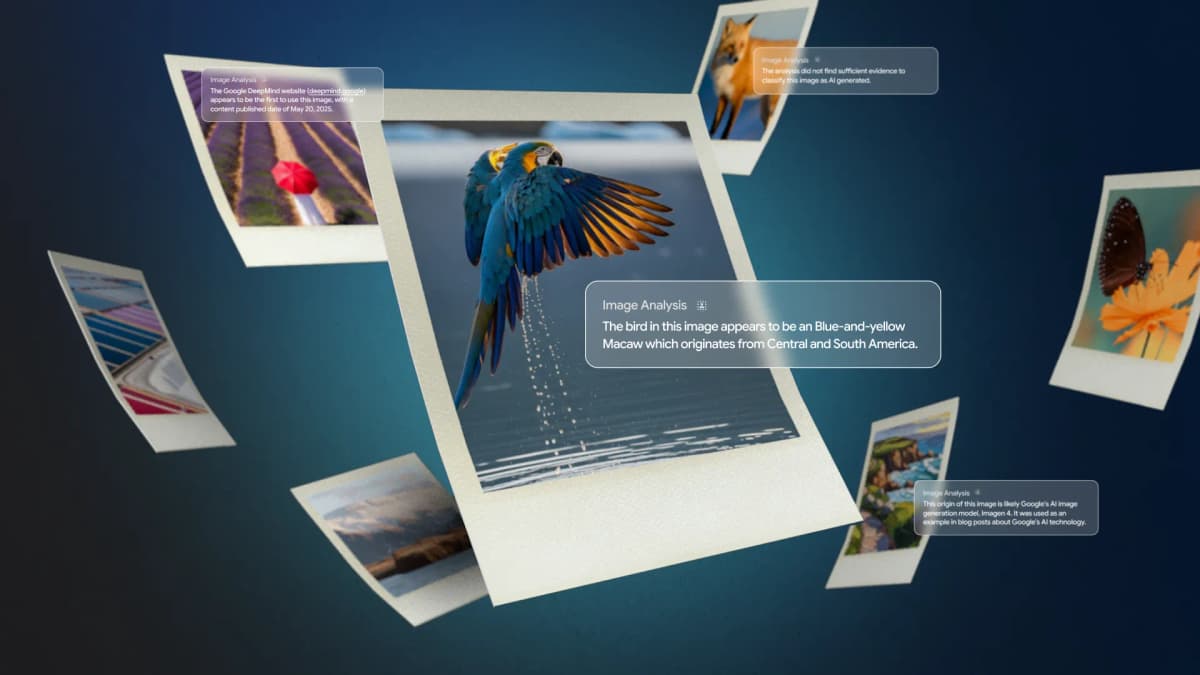
Backstory allows users to upload an image and receive an automated report that checks whether the image is AI-generated, shows signs of manipulation, and traces where it has appeared online throughout its history. Built on Google's Gemini large language models, the tool uses AI agents to determine which authentication methods to deploy and in what sequence, then outputs a summary with citations and a log of its process.
The tool is currently available only through Google's Trusted Testers Program, with thousands of journalists, open-source intelligence experts, librarians, and researchers providing feedback. India Today's six-person fact-checking team is among the early adopters.
How newsrooms are using it
Bal Krishna, who leads fact-checking at India Today, one of India's largest news organizations, said his team uses Backstory to handle the initial pass on content verification. Previously, reporters would need to separately run images through AI detectors, conduct reverse image searches, and manually piece together a timeline of appearances across the web.
"It is doing all the work you might have done with five different tools, five different logins, in the same place," Krishna said. He estimates the tool can compress a 50-minute verification process down to three minutes for initial research.
The tool incorporates several detection methods. It can check for SynthID watermarks embedded in images created with Imagen, Google's AI image generator, and examines content credentials from companies adhering to the Coalition for Content Provenance and Authenticity standard, including Google, Adobe, and the BBC.
According to Mike Caulfield, a digital literacy expert who created the SIFT verification method, Backstory's ability to trace an image's history online often proves most valuable. This feature helps journalists see images in their original context and track how that context may have shifted over time—a challenge that predates AI-generated imagery.
Current limitations
Like all tools powered by large language models, Backstory cannot guarantee accuracy. The tool includes a disclaimer warning that it "can make mistakes." A common issue is conflation, where the model mistakes one image for another that is visually similar based on shared descriptive terms.
Backstory currently processes only images, not video. Its context tracing can only reference images indexed by search engines, meaning content originating on platforms like TikTok, WhatsApp, or Signal may fall outside its view.
Krishna said India Today does not cite Backstory's AI-generated reports directly in published fact-checks, and reporters must manually confirm any information extracted from the tool.
Why it matters
Caulfield argues that building tools for professional fact-checkers and skilled amateur researchers—what he calls "the helpers"—may have greater impact than creating universal verification tools for general audiences. Vetted information flows outward from these trusted intermediaries to broader publics. Backstory targets beat reporters who need to verify images but lack subscriptions to specialized AI detection services or expertise with the full range of open-source intelligence tools. This middle tier between casual users and highly specialized investigators has been underserved by existing products.
Zoe Darmé, a product manager for Frontier AI Research at DeepMind, said the team views journalists as Backstory's core users and hopes to make the tool more widely available, though it will likely appeal to a niche audience focused on the nuances of image verification rather than simple "real or fake" determinations.
Details on Backstory were first reported by Nieman Lab.
This is an original analysis by the Omega editorial team. Source reporting: AI Watch.
Want systems like this working for your business?
Book a Call