Google commits $15B to AI data centers and nuclear power in Finland
The investment marks the tech giant's largest single EU commitment as it secures two decades of nuclear energy to power expanding operations.
Google has announced a €13 billion ($15.1 billion) investment in AI infrastructure across Finland, coupled with a landmark agreement to purchase nuclear power over the next two decades. The commitment represents the company's largest single investment in the European Union to date, according to details first reported by DW.
The investment, scheduled for deployment in 2027 and 2028, will fund new data centers, electrical grid improvements, and clean energy projects supporting Google's chatbot, search, and mapping services. The company plans to expand its existing Hamina facility—a repurposed paper mill converted to a data center in 2009—and establish operations in three additional municipalities: Kajaani, Muhos, and Vaala.
Why it matters
This deal illustrates how AI's massive energy demands are reshaping infrastructure investment and energy markets across Europe. Google's willingness to commit to decades-long power purchase agreements signals that hyperscalers view energy security as critical to AI competitiveness, potentially setting a template for future tech investments in regions with stable power supplies and favorable climates.
The nuclear power component
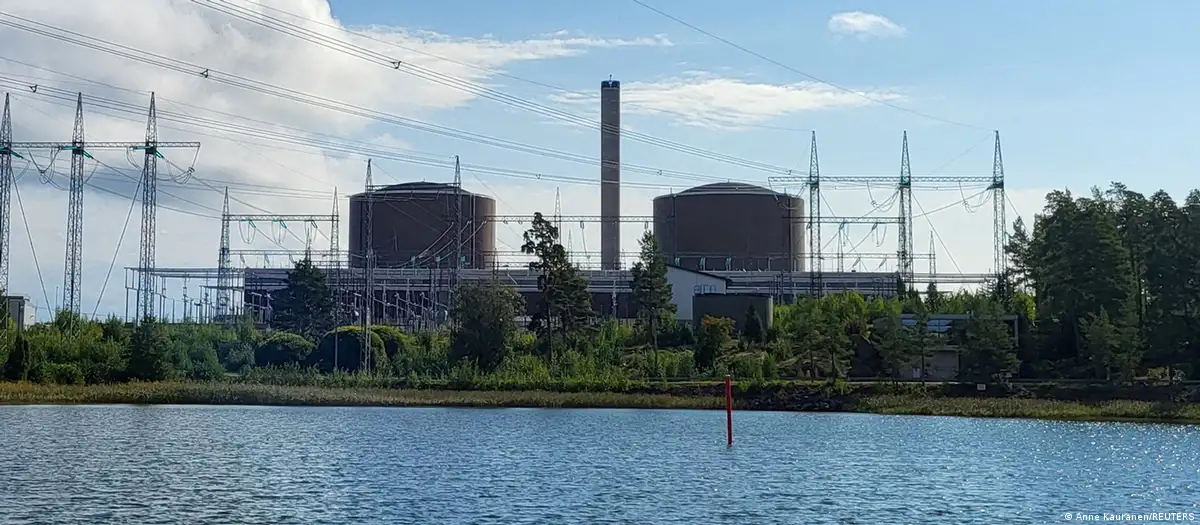
Google has secured 50% of the energy output from one of Finland's two nuclear power plants for 22 years through a partnership with operator Fortum. Ruth Porat, Google's President and Chief Investment Officer, described the arrangement as "BYOP—bring your own power" and noted it represents Google's first nuclear energy deal outside the United States.
The agreement enables Fortum to continue operating the Loviisa Nuclear Power Plant until its operating licenses expire in 2050. Without this deal, the facility—which currently supplies approximately 10% of Finland's electricity—would have ceased operations after 2030. Fortum shares surged 15.5% on the announcement, reaching their highest level in over four years.
Finland's data center appeal
Finland's Arctic location provides natural cooling advantages that reduce energy consumption for temperature-sensitive server infrastructure. The country's combination of nuclear, wind, and hydroelectric power offers a stable, low-carbon energy supply that has attracted Microsoft and ByteDance alongside Google.
For Finland's government, led by right-wing Prime Minister Petteri Orpo, data center investment addresses urgent economic challenges including record unemployment and sluggish growth. Google projects the investment will contribute €3.6 billion to Finland's GDP and generate 37,000 jobs, including 7,000 permanent positions.
Energy and security concerns
Network operator Fingrid forecasts Finland's data center expansion will drive a 40% increase in national energy consumption in coming years. Prime Minister Orpo has pledged that electricity production will remain sufficient and prices controlled, though critics question whether such assurances can be guaranteed.
Finland's Security and Intelligence Service (SUPO) has issued warnings that foreign-owned data centers present potential security risks. The agency expressed concern that municipalities may prioritize economic benefits over security considerations, particularly regarding facilities with ownership ties to authoritarian states like Russia or China. SUPO noted such centers could potentially be used to circumvent technology export restrictions, including bans on advanced chips to China.
This investment forms part of Alphabet's approximately $200 billion global spending push this year as the company accelerates efforts to compete in artificial intelligence infrastructure.
Details of the investment were first reported by DW.
This is an original analysis by the Omega editorial team. Source reporting: AI Watch.
Want systems like this working for your business?
Book a Call