FDA Names Permanent Directors for Drug, Biologics Centers
The agency also appointed its first deputy commissioner for artificial intelligence and technology as part of a broader leadership overhaul.
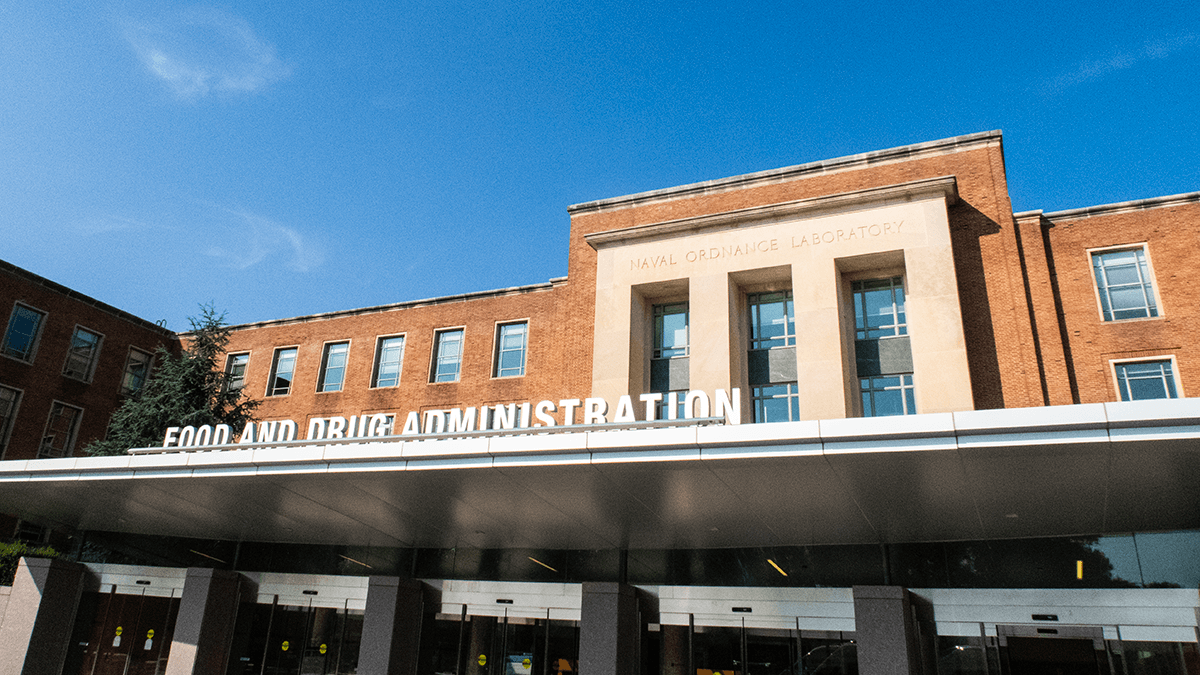
The US Food and Drug Administration has finalized leadership appointments for its drug and biologics regulatory centers while creating a new senior role focused on artificial intelligence and emerging technologies.
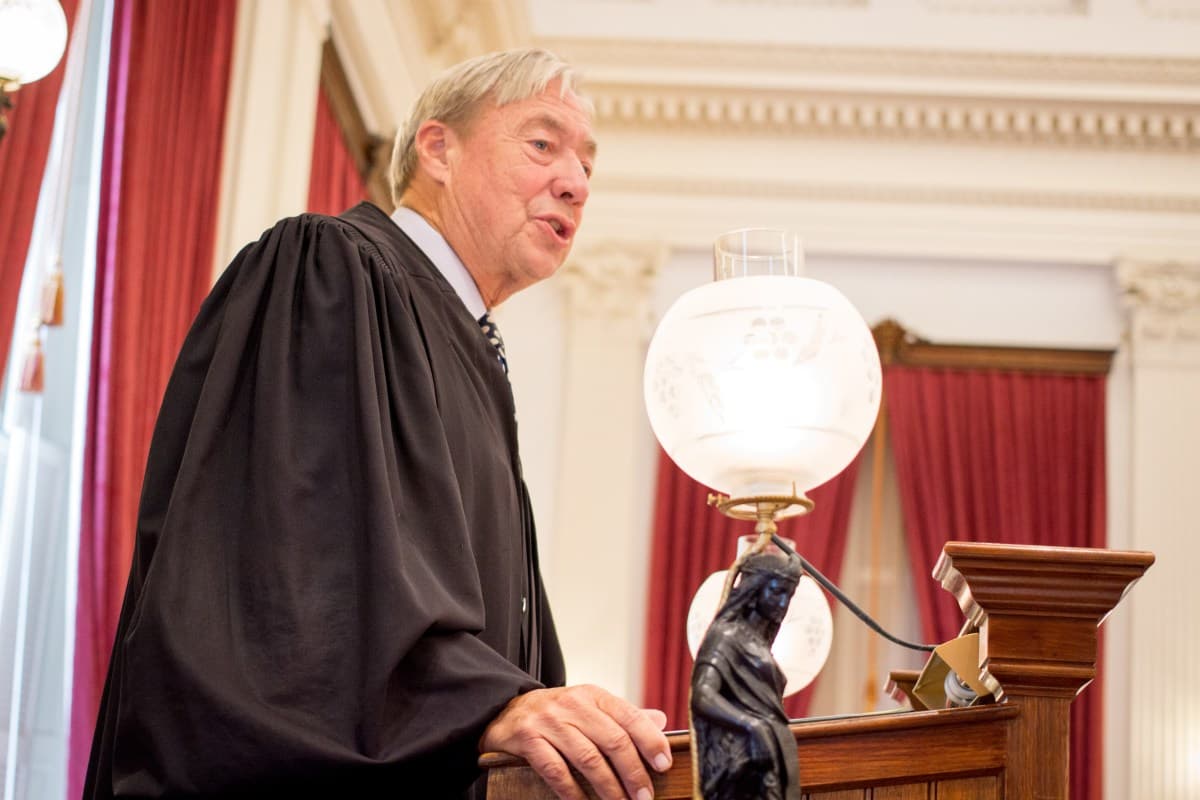
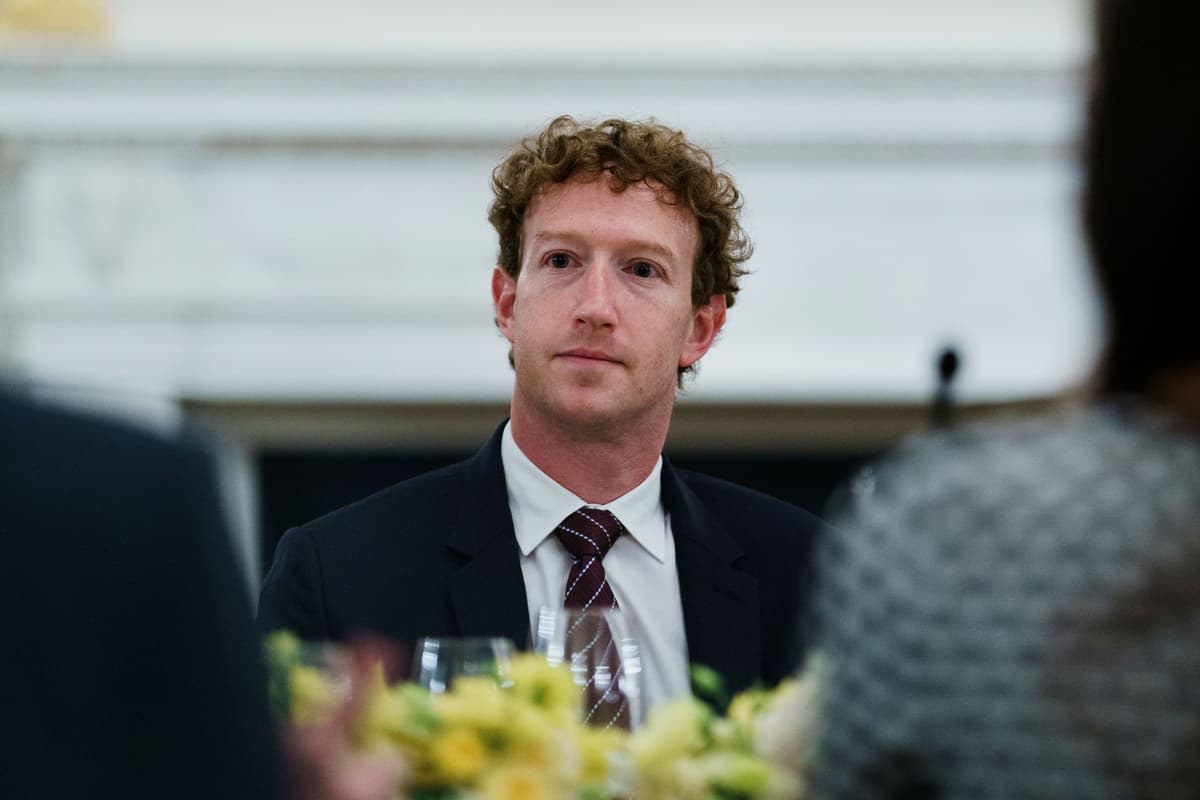
On September 8, the agency announced permanent appointments for Michael Davis to lead the Center for Drug Evaluation and Research (CDER), Karim Mikhail to direct the Center for Biologics Evaluation and Research (CBER), and Bret Koplow to head the Center for Tobacco Products. All three had been serving in acting capacities before the formal appointments. The FDA also named Jared Seehafer as its first deputy commissioner for Technology and Artificial Intelligence.
New leadership profiles
Davis returned to FDA in 2025 as CDER deputy director after a stint as chief medical officer at Usona Institute, a nonprofit researching psychedelic drugs for major depressive disorder. He was elevated to acting director in May following the departure of the previous acting director. Before joining FDA as a clinical reviewer in 2016, Davis taught psychiatry at Baylor University.
According to HHS, Davis will focus on increasing patient access to affordable medicines, advancing drug development science, and strengthening supply chains.
Mikhail joined FDA less than 18 months ago after holding leadership positions at pharmaceutical companies including Merck and Amarin. He holds degrees from Cairo University and École supérieure de commerce de Paris. He assumed the acting CBER director role in May after his predecessor departed amid controversies over vaccine approval decisions and workplace conduct allegations.
In his permanent role, Mikhail will oversee regulation of biological products including cellular and gene therapies, vaccines, and blood products, with priorities on modernizing regulatory frameworks and strengthening vaccine safety surveillance, according to the Department of Health and Human Services.
Why it matters
The creation of a dedicated deputy commissioner position for AI signals the FDA's recognition that artificial intelligence and software are becoming central to drug development, clinical trials, and regulatory decision-making. As AI tools proliferate across the pharmaceutical and medical device industries, the agency needs senior leadership to develop coherent policies and evaluation frameworks. The appointment also reflects the current administration's stated emphasis on technology modernization across federal agencies.
Technology and AI focus
Seehafer brings two decades of experience in software, AI, and FDA-regulated medical technology. He joined the agency in August 2025 as a senior advisor after serving in leadership roles at investment groups and companies including Orange Collective and Village Global. He previously co-founded Enzyme, a quality management system software company.
HHS stated that Seehafer will provide strategic leadership on technology, software, and AI priorities, helping establish regulatory frameworks for emerging technologies.
Acting FDA Commissioner Kyle Diamantas said the appointments signal the agency's direction and will help attract talent while building infrastructure to accelerate innovation across FDA centers.
These details were first reported by the Regulatory Affairs Professionals Society.
This is an original analysis by the Omega editorial team. Source reporting: AI Watch.
Want systems like this working for your business?
Book a Call