GM Pressures Suppliers to Hit 4.5/5 Automation Score or Risk Contracts
New Overall Automation Maturity Index asks parts makers to rank operations on five-point scale, with human workers reduced to supervisory roles at top tier.
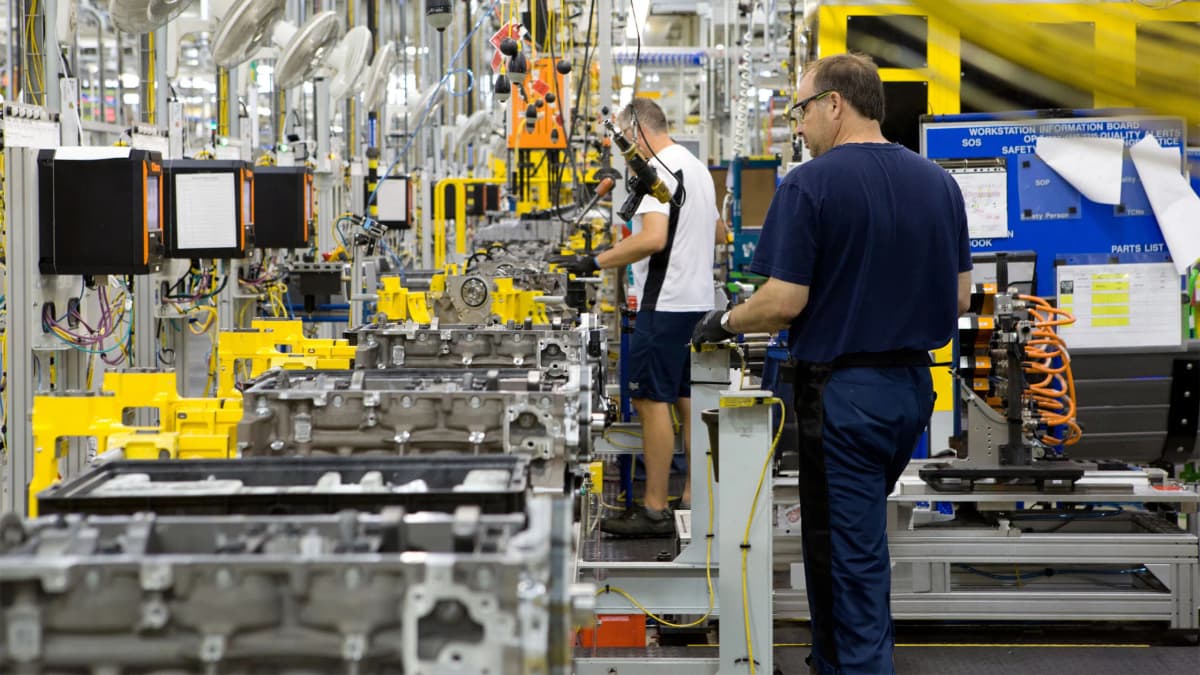
General Motors has launched a supplier automation program that could reshape its parts supply chain and determine which companies win future contracts. The automaker is asking major suppliers to score their manufacturing operations on a five-point automation scale, with an ambitious target of 4.5 that some suppliers fear is tied to their business prospects.
Why it matters
This policy signals how automation requirements are moving beyond factory floors into supply chain relationships. As manufacturers set automation benchmarks for partners, the financial burden and job displacement shift downstream to smaller companies with less capital and fewer resources to absorb workforce changes. The approach could become a template across industries where large buyers have leverage over supplier networks.
The scoring system
In March, GM began distributing surveys as part of its Overall Automation Maturity Index (OAMI). The assessment framework spans five levels: manual operations, basic mechanization, semiautomation, integrated automation, and smart factory/adaptive automation. Suppliers must evaluate their entire manufacturing process, from raw material procurement through production and final delivery.
According to reporting first published by Crain's Detroit, GM has set the bar at 4.5 out of five. While the company states there is no single deadline, multiple supplier executives told the publication they interpret the program as a clear signal: automate to these standards or risk losing future business.
Reaching a perfect score of 5 would require suppliers to minimize hands-on human involvement in parts production. Workers would function primarily as supervisors, strategic planners, and exception handlers rather than operators directly building components.
Costs and concerns
The policy raises practical questions for suppliers about capital investment, funding sources, and how any efficiency gains would be shared with GM. Some suppliers question whether the push for automation makes operational sense for all facilities, or whether it forces technology adoption where it may not deliver clear benefits.
GM has deployed approximately 50 Fanuc collaborative robots at its Factory Zero plant in Detroit, where more than 1,000 workers remain laid off. United Auto Workers president Shawn Fain has characterized widespread automation and artificial intelligence adoption as an existential threat to workers, framing the issue as a broader fight for humanity.
GM's position
GM spokesman Patrick Sullivan emphasized that the automaker views the program as a partnership rather than a mandate. "Ultimately, we are here to partner with and help suppliers set benchmarks and increase their productivity, safety, quality, and competitiveness," Sullivan said. He added that suppliers determine how to run their operations, and GM seeks to work with those committed to continuous improvement in safely delivering high-quality vehicles.
The company describes the initiative as building a "resilient, world-class" supply chain through robotics and artificial intelligence, though it acknowledges the transformation may affect employment.
These details were first reported by Crain's Detroit in coverage of GM's supplier automation initiative.
This is an original analysis by the Omega editorial team. Source reporting: Automation Watch.
Want systems like this working for your business?
Book a Call