FedEx Deploys Dual-Armed Robot Loaders at Maryland Hub
The logistics giant is automating trailer loading with Dexterity systems as part of a broader $4 billion cost-cutting initiative.

FedEx has begun deploying dual-armed robotic systems from Dexterity at its Hagerstown Hub in Maryland, marking a concrete step in the logistics giant's push to automate labor-intensive warehouse operations.
The Mech trailer loading systems represent a shift from manual loading processes that have long defined distribution center work. According to Simply Wall St, which first reported the deployment details, the automation move comes as FedEx pursues its DRIVE initiative targeting $2.2 billion in cost savings for fiscal year 2025 and $4 billion total compared to the fiscal 2023 baseline.
Valuation and performance context
FedEx shares closed at $325.08, which Simply Wall St analysis frames as roughly 7.5% below a calculated fair value of $351.49. The stock has posted a 10.90% year-to-date gain and a one-year total shareholder return of 83.23%, though shares have pulled back 13.64% over the past 90 days from recent highs.
The valuation case for FedEx hinges on whether the company can translate automation investments and structural cost reductions into sustained margin expansion. The DRIVE initiative aims to enhance net margins through operational efficiencies, with trailer loading automation representing one lever among many.
Why it matters
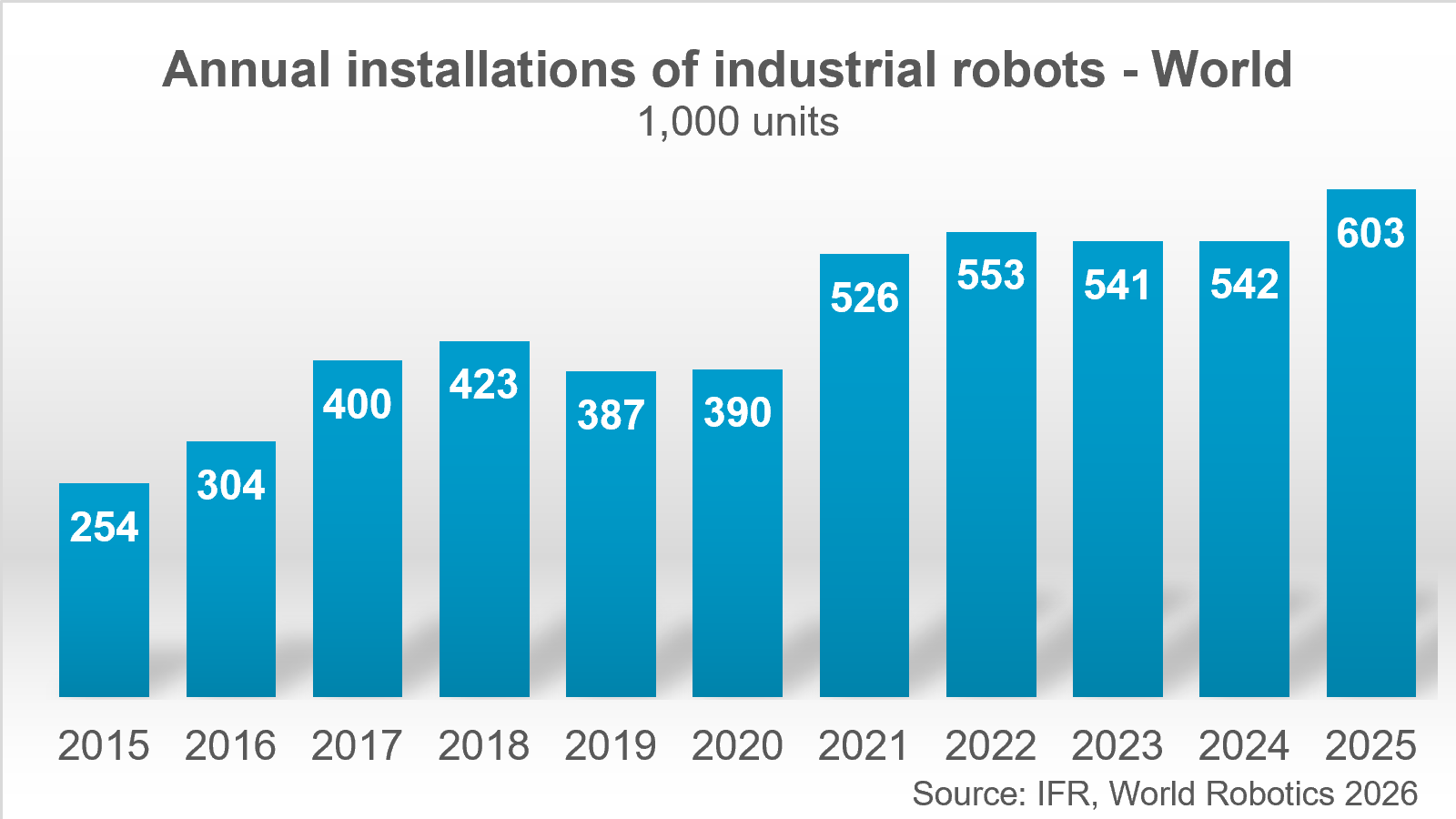
Automation in logistics is moving from pilot programs to production deployment at scale. FedEx's decision to install dual-armed robotic loaders at an active hub signals that the technology has reached a maturity threshold where economics justify capital investment. For enterprises evaluating warehouse automation, this deployment offers a real-world data point on which tasks are ready for robotic replacement. The move also underscores how legacy logistics operators are responding to labor cost pressures and efficiency demands in an increasingly competitive market.
Execution risks remain
While automation investments support the efficiency narrative, FedEx faces near-term headwinds. The company is working through the separation of its Freight division, an execution risk that could distract management or create integration challenges. Additionally, softer volumes in higher-margin freight segments could pressure earnings even as automation reduces per-unit costs.
The tension between long-term automation benefits and near-term cyclical pressures will likely define investor sentiment in coming quarters. Whether robotic loaders at Hagerstown translate into measurable margin gains will depend on deployment pace, utilization rates, and how quickly savings offset capital expenditure.
These details were first reported by Simply Wall St in their analysis of FedEx's automation initiatives and valuation positioning.
This is an original analysis by the Omega editorial team. Source reporting: Automation Watch.
Want systems like this working for your business?
Book a Call