Policy
Fed Chair Warsh Builds AI Scenario Models for Economic Shocks
The central bank is preparing contingency plans spanning productivity booms to infrastructure attacks as artificial intelligence reshapes the economy.
Key takeaways
- Federal Reserve Chairman Kevin Warsh revealed the Fed is building scenario-based contingency models for different AI economic outcomes, moving beyond passive observation.
- The scenarios range from sustained productivity booms to infrastructure attacks by bad actors and AI investment disappointments that could slow growth.
- Warsh is applying Wall Street-style contingency planning methods—similar to bank war rooms for policy shifts—to prepare for AI-driven economic volatility.
- The Fed is specifically concerned about critical infrastructure vulnerabilities as AI technology becomes more accessible to malicious actors.
- This proactive approach marks a departure from the central bank's traditional reactive stance on technological disruption.
The Federal Reserve is no longer content to wait and see how artificial intelligence transforms the economy. Chairman Kevin Warsh disclosed that Fed staff are now constructing scenario-based contingency models to prepare for a range of AI-driven outcomes—an approach borrowed directly from Wall Street playbooks.
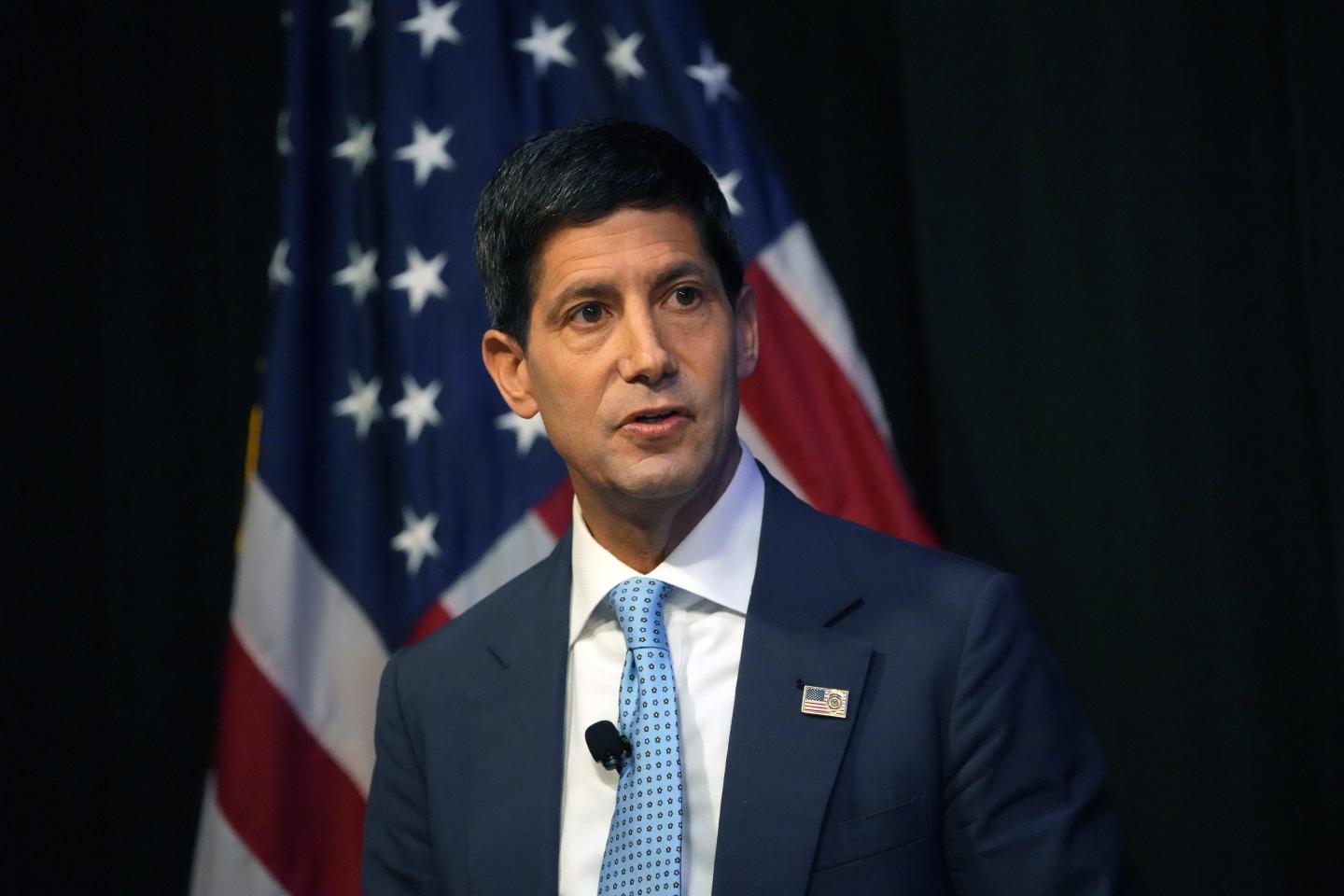
Speaking at the Productivity and Jobs Task Force Conference in San Francisco, Warsh described the work as "stylized, model-based frameworks to generate scenarios," emphasizing these are illustrative exercises rather than forecasts. The effort marks a shift from the Fed's traditional posture of monitoring existing trends to actively preparing for multiple futures.
Why it matters
Central banks typically react to economic data rather than anticipate technological disruption. By building contingency frameworks now, the Fed signals it views AI as a potential source of economic volatility significant enough to warrant advance preparation—similar to how major banks assembled response teams for policy shifts. This proactive stance could influence how quickly the Fed moves on interest rates or regulatory guidance as AI adoption accelerates.
From observation to preparation
The Fed already tracks AI adoption metrics and investment flows, but Warsh's remarks suggest the institution is moving beyond data collection. The scenarios under consideration span a wide spectrum: sustained productivity gains that lift GDP growth above historical averages, widespread automation that drives up unemployment, technology falling into the hands of bad actors targeting critical infrastructure, or AI investments that fail to deliver expected returns and trigger an economic slowdown.
"Great opportunities rarely come risk-free," Warsh noted, pointing specifically to vulnerabilities in critical infrastructure as AI "empowers all, including bad actors."
Wall Street methods meet monetary policy
Warsh's background as a Morgan Stanley vice president and executive director appears to be shaping his approach. The contingency planning he described mirrors the war rooms major financial institutions have deployed for policy uncertainty. JPMorgan established such a team following the 2024 presidential election, while consulting firm AlixPartners built tariff response mechanisms for clients across industries.
The difference is that Warsh isn't responding to an immediate policy question. Instead, he's treating AI as a structural force requiring advance preparation across multiple pathways.
Before returning to the Fed—where he previously served as the youngest governor in history from 2006 to 2011—Warsh had expressed notably bullish views on AI that concerned some hawkish analysts. His recent comments strike a more measured tone. "Our aim today is a humble one," he said, "to ask the right questions."
The scenarios include an optimistic case where productivity gains are "shared broadly across labor and the owners of capital," keeping the U.S. near full employment while GDP growth exceeds long-run averages. But the Fed is also modeling darker outcomes, including the possibility that AI "disappoints" and expected returns fail to materialize.
Warsh framed the work as essential for creating "a dynamic economy for future generations" and promoting "human flourishing," while acknowledging he's "not exactly impartial about American leadership" in navigating both the challenges and possibilities ahead.
These details were first reported by Fortune.