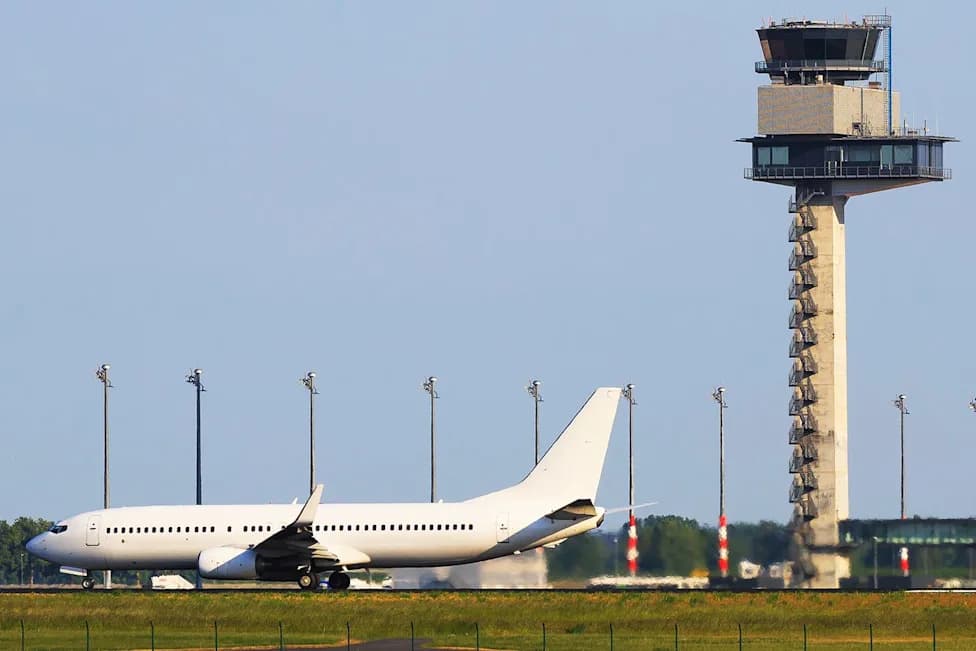
FAA Deploys AI in Air Traffic Control Despite Industry Concerns
The SMART system is now live at three major airports, analyzing 200 data streams to recommend flight routing decisions that human controllers can accept or reject.
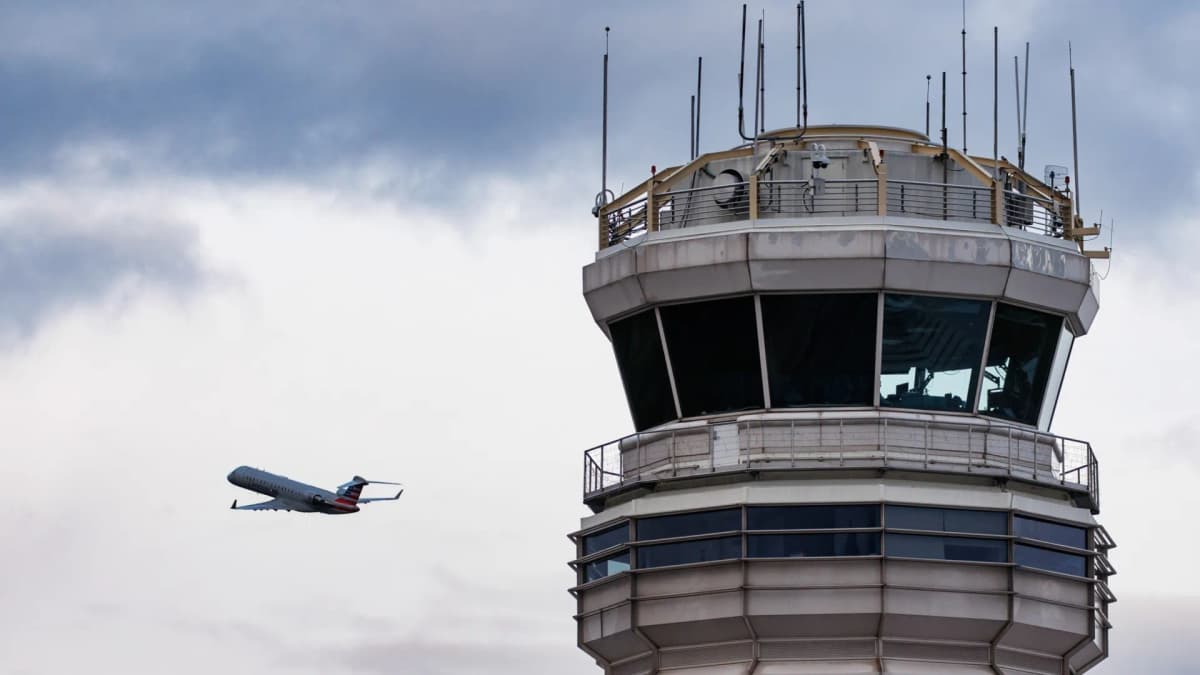
FAA launches AI-powered traffic management system
The Federal Aviation Administration has begun deploying artificial intelligence in air traffic control operations, marking a significant shift in how the nation's airspace is managed. The Strategic Management of Airspace, Routes and Trajectories (SMART) system is now operational at three Washington-area airports: Ronald Reagan Washington National, Dulles International, and Baltimore/Washington International Thurgood Marshall.
Developed by Air Space Intelligence under an $875 million government contract, SMART consolidates 200 data streams—including weather patterns, flight paths, traffic flow, and controller staffing metrics—into a single platform. An AI engine analyzes this information to visualize aircraft locations, system capacity, and potential congestion or weather-related challenges, according to the FAA.
The system operates from the FAA's Air Traffic Control System Command Center in Virginia, where officials distribute AI-generated recommendations to controllers at regional towers and other facilities. Officials envision SMART eventually functioning as the central intelligence hub for nationwide air traffic control operations.
How the technology actually works
Contrary to what the term "AI air traffic control" might suggest, SMART does not autonomously direct aircraft or make binding routing decisions. Instead, it provides recommendations that human controllers can choose to follow or disregard. The technology is designed to assist rather than replace human operators, at least in its current implementation.
The FAA plans to expand SMART beyond the Washington region to additional airports, though no specific timeline has been announced for broader deployment.
Why it matters
This deployment represents the first large-scale integration of AI into U.S. air traffic management infrastructure. How well SMART performs—and whether it delivers efficiency gains without disrupting operations—will likely determine the pace and scope of AI adoption across aviation systems nationwide. The aviation industry's cautious response also highlights the tension between technological advancement and operational reliability in safety-critical environments.
Aviation experts raise reliability questions
Despite the FAA's enthusiasm, significant skepticism persists within the aviation community. S. Todd Yeary, a former air traffic controller, told NewsNation that critical questions remain about data sourcing and the system's ability to handle dynamic situations. His primary concern centers on AI's tendency to generate false information—a problem particularly acute in air traffic control, where conditions change constantly.
Yeary pointed to scenarios where pilots request visual flight following service, flying by visual reference rather than instruments. These flights don't appear in airline schedules, requiring controllers to manually intervene with information SMART wouldn't possess.
Airlines worry about operational disruption
Airlines initially faced weeks of confusion over the FAA's vague descriptions of SMART's capabilities, according to Politico. While the agency's clarification that the system would launch in limited fashion eased some concerns, airlines remain anxious about potential operational chaos.
The primary fear is that SMART could trigger increased flight cancellations and rescheduling as it attempts to prevent bottlenecks and avoid weather delays. Such disruptions could create costly headaches for both carriers and passengers. Notably, however, no airline officials have suggested the system poses direct safety risks.
The concerns reflect broader uncertainty about how extensively AI will be woven into daily air traffic management decisions as the system matures beyond its initial deployment.
These details were first reported by The Week, with additional reporting from The New York Times, The Wall Street Journal, NewsNation, and Politico.
This is an original analysis by the Omega editorial team. Source reporting: AI Watch.
Want systems like this working for your business?
Book a Call