Rabbit pivots R1 hardware to cross-platform OS3 agent software
The company that launched a dedicated AI gadget now bets its future on software that runs on devices you already own.
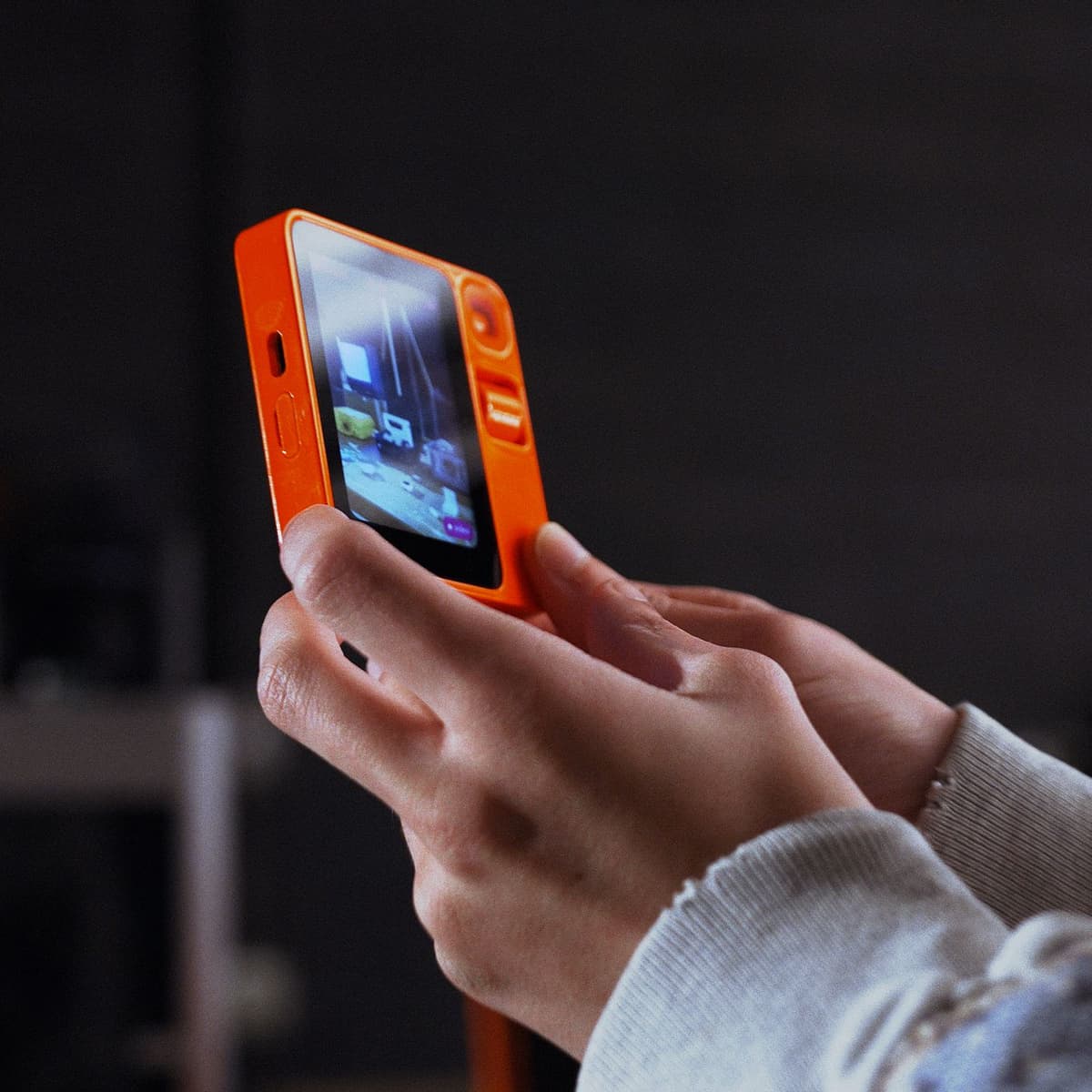
Rabbit is abandoning its hardware-first strategy and pivoting to software. The company announced OS3, a cross-platform "agentic operating system" that runs on existing devices rather than requiring its signature orange R1 gadget.
The shift marks a dramatic reversal for a company that launched at CES 2024 championing dedicated AI hardware over smartphone apps. CEO Jesse Lyu now positions the move as validation rather than retreat, noting that Meta's recently banned Muse agent encountered the same virtual machine challenges Rabbit faced 18 months ago.
The R1's rocky trajectory
Rabbit shipped more than 100,000 R1 devices worldwide with return rates below 5 percent and hardware margins between 45 and 50 percent, according to Lyu. The company operates without subscription fees, unlike most AI assistant competitors.
But critical reviews—including a 3/10 score from WIRED—highlighted that the R1's core agentic features simply didn't work reliably. Financial pressures followed. A planned India launch collapsed due to regulatory issues, and employee strikes erupted over unpaid wages around this time last year. Lyu confirmed the payment issues but said the company secured additional funding and now employs 15 people on roughly $60 million in total capital raised.
Rabbit stopped manufacturing the R1 and has no plans for an R2. The company instead deployed approximately 50 software updates over the past 18 months, opening the hardware to third-party AI models like OpenClaw and Hermes.
How OS3 works
OS3 operates as a cloud-based platform that connects to local machines through an agent node installed on Windows, Mac, or Linux. Users interact through a single continuous chat interface accessible via desktop browser, Telegram, or iMessage. The system uses Rabbit's DLAM (Direct Large Action Model) technology to execute tasks across up to five linked devices, automatically determining which machine should handle each request.
The platform supports universal skill compatibility—users can paste URLs for third-party agent skills directly into chat for automatic installation. Rabbit employs a "Bring Your Own Key" model, requiring users to supply their own API keys from providers like OpenAI or Anthropic rather than charging subscription fees.
Lyu demonstrated use cases including automated Excel report processing and an agent that represented him in a 50-minute Slack conversation while he was unavailable. The local agent doesn't store or copy file contents, though conversation logs reside on Rabbit's servers and task prompts pass through to model providers.
Why it matters
Rabbit's pivot illustrates how quickly the AI hardware landscape has shifted. What seemed like a promising category 18 months ago now appears premature—the software capabilities have matured faster than the case for dedicated devices. The company's willingness to make OS3 available without requiring its hardware effectively concedes that users already have the tools they need. For enterprise leaders evaluating AI agent platforms, Rabbit's trajectory offers a cautionary tale about betting on form factor over function, while OS3's cross-platform approach may prove more relevant than the R1 ever was.
Rabbit's next hardware release, described as a "Cyberdeck" for "vibe coding," is slated to arrive within months and will run OS3.
These details were first reported by WIRED.
This is an original analysis by the Omega editorial team. Source reporting: AI Watch.
Want systems like this working for your business?
Book a Call