Expeditors Cuts 230 Tech Jobs as Automation Reshapes Logistics
The Seattle-based freight forwarder is betting on digital tools to drive efficiency, but the move raises questions about service quality and workforce strategy.
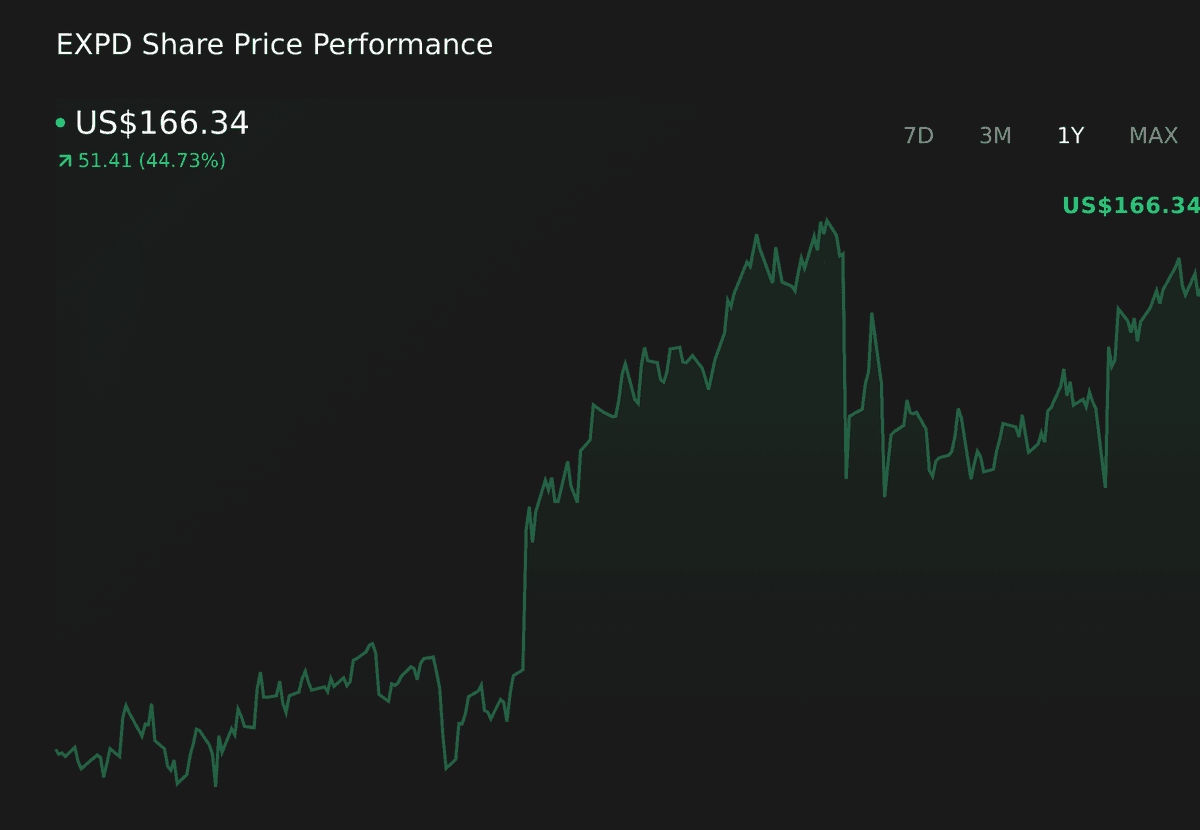
Expeditors Bets on Automation Over Headcount
Expeditors International of Washington has eliminated 230 technology positions in the Seattle area, a workforce reduction CEO Daniel Wall directly attributed to automation and new digital tools transforming the company's operations. The cuts signal a strategic pivot toward technology-driven efficiency even as global trade compliance requirements grow more complex.
The Seattle-based freight forwarder is reconfiguring its cost structure around automation, a move that could bolster profit margins but also introduces near-term execution risks. The company must now demonstrate that technology can effectively replace human expertise without degrading service quality in an industry where customer relationships and problem-solving remain critical.
Why It Matters
Expeditors' automation push reflects a broader shift in logistics and supply chain management, where companies are racing to deploy AI and digital tools to offset labor costs and improve operational speed. For investors, the question is whether these efficiency gains will translate to sustainable margin expansion or whether the company is cutting too deeply in areas that support long-term competitiveness. The timing is particularly notable given rising trade complexity and compliance demands that typically require sophisticated human judgment.
Investment Implications
The job cuts arrive as Expeditors trades near consensus fair value following a strong one-year return. The company maintains a disciplined balance sheet and high return on equity, but investors are paying a premium valuation for relatively modest forecast growth. According to Simply Wall St, which first reported these details, community fair value estimates for Expeditors range widely from $103.84 to $171.10 per share, reflecting divergent views on execution risk and future performance.
The efficiency narrative depends on whether cost reductions flow through to reported results without disrupting operations. Key near-term catalysts include volume trends, pricing power, share buyback activity, and evidence that automation is delivering promised savings. Management faces the challenge of demonstrating that technology investments can offset the institutional knowledge and operational flexibility lost through workforce reductions.
Cultural and Competitive Risks
Beyond the financial calculus, the scale of technology job cuts raises questions about organizational culture and the company's ability to attract technical talent in a competitive market. Logistics companies increasingly compete on technology capabilities, and workforce reductions in this area could hamper innovation or create knowledge gaps that take years to rebuild.
The move also positions Expeditors differently from competitors who are simultaneously investing in both automation and expanded technology teams. Whether this leaner approach proves strategically sound will depend on execution over the coming quarters and the company's ability to maintain service levels as trade volumes fluctuate.
These details were first reported by Simply Wall St in their analysis of Expeditors International of Washington.
This is an original analysis by the Omega editorial team. Source reporting: Automation Watch.
Want systems like this working for your business?
Book a Call
