EUROGATE Taps ICT Logistics for Unified Automation Platform
European terminal operator aims to control multi-vendor automated equipment through a single vendor-independent system across its container facilities.
EUROGATE Selects Single Platform for Terminal Automation
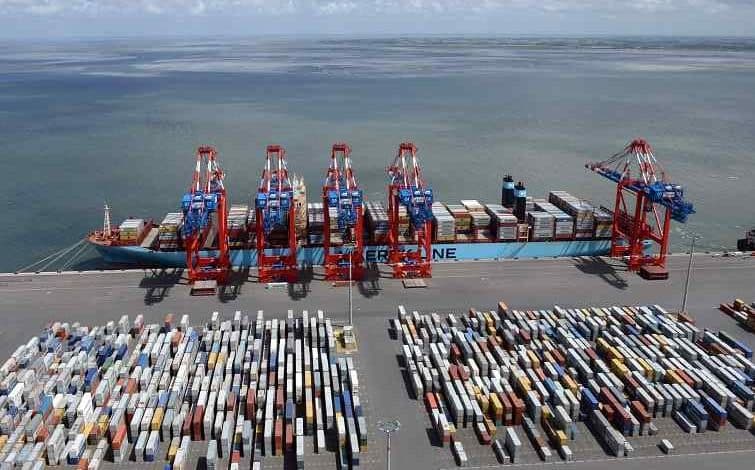
European container terminal operator EUROGATE has chosen ICT Logistics to build a unified equipment control system that will manage automated machinery from different manufacturers across its terminal network.
The new platform, built on ICT Logistics' SmartECS technology, will serve as a vendor-independent layer connecting EUROGATE's terminal operating system and operateMyBox scheduling software to automated equipment on the ground. The system is designed to control ship-to-shore cranes, automated stacking cranes, and automated terminal trucks through a single interface.
Why it matters
Container terminals typically face vendor lock-in when deploying automation, with each equipment manufacturer requiring its own control architecture. EUROGATE's approach creates a common control layer that allows the operator to mix equipment from different suppliers without building separate systems for each. This flexibility could reduce costs and accelerate automation deployment across multiple facilities.
Automated Trucks for Horizontal Transport
EUROGATE and ICT Logistics are jointly developing a terminal concept centered on automated terminal trucks handling horizontal container movement. The technology is specifically targeted at EUROGATE's German terminal operations, where automated trucks would transport containers between ship-to-shore cranes and stacking areas.
The unified control system will coordinate these automated trucks alongside stacking cranes, creating an integrated automation architecture rather than isolated automated zones.
Full Lifecycle Implementation
ICT Logistics will manage the complete system lifecycle, spanning initial requirements definition through system architecture design, software development, testing, and ongoing maintenance. This end-to-end responsibility model aims to ensure consistent performance as EUROGATE expands automation across its terminal portfolio.
The platform's vendor-independent design means EUROGATE can introduce new equipment types or switch suppliers without rebuilding core control infrastructure. The system acts as a translation layer between high-level terminal planning systems and the diverse protocols used by different equipment manufacturers.
Integration With Existing Systems
The SmartECS platform will integrate directly with EUROGATE's existing terminal operating system and its operateMyBox scheduling platform. This integration approach allows the operator to maintain its current planning and optimization tools while upgrading the equipment control layer underneath.
By standardizing equipment control across multiple terminals, EUROGATE can potentially streamline training, reduce software maintenance overhead, and deploy automation improvements more rapidly across its network.
These details were first reported by Splash247.
This is an original analysis by the Omega editorial team. Source reporting: Automation Watch.
Want systems like this working for your business?
Book a Call