Policy
DOJ Refers Two Attorneys for Bar Discipline Over AI Misuse
Internal ethics watchdog cites confidential document disclosure to AI platform and misleading statements to a judge about AI-generated errors.
Key takeaways
- The DOJ's Office of Professional Responsibility has referred two attorneys for potential bar discipline over AI-related ethics violations.
- One lawyer disclosed confidential documents to a public AI platform, while another made misleading statements to a judge about AI-generated errors.
- The Professional Misconduct Review Unit will evaluate the cases and may recommend sanctions to state bar authorities.
- This enforcement action marks a shift from guidance to actual disciplinary proceedings for AI misuse in legal practice.
- The referrals establish precedent that existing ethics rules on confidentiality and candor apply fully to AI-assisted legal work.
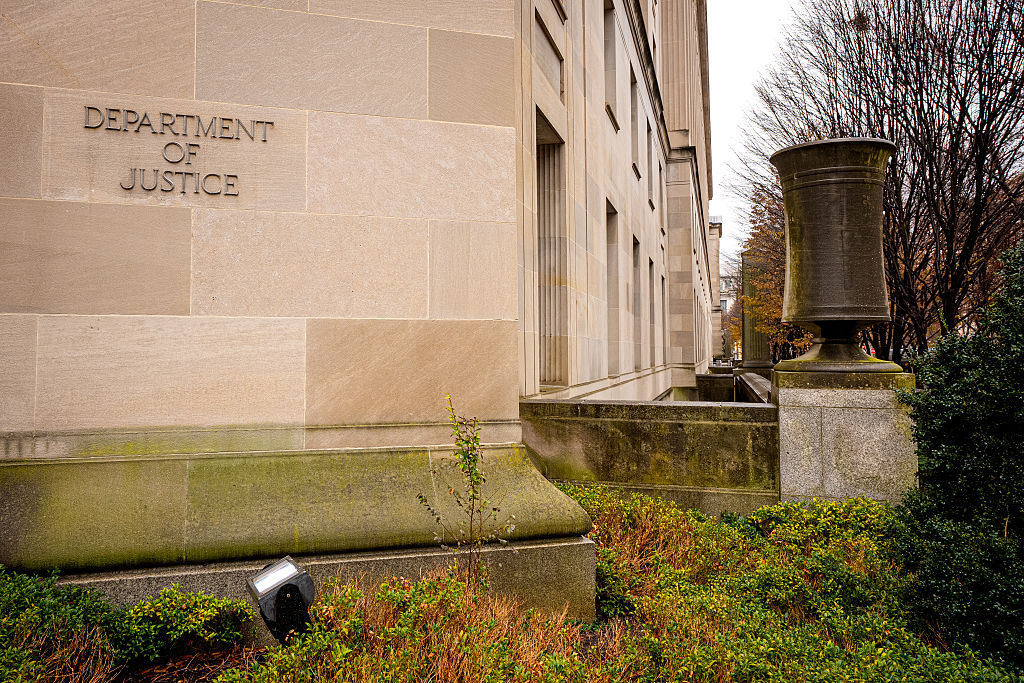
The U.S. Department of Justice has taken formal action against two of its own attorneys for professional conduct violations involving artificial intelligence tools, marking a significant enforcement moment as legal professionals navigate the risks of generative AI.
The DOJ's Office of Professional Responsibility, which serves as the department's internal ethics watchdog, announced Tuesday that it has referred both lawyers to the Professional Misconduct Review Unit for potential state bar discipline. According to Reuters, which first reported the details, the violations centered on two distinct but equally serious breaches of professional standards.
One attorney uploaded confidential documents to a publicly accessible AI platform — a practice that potentially exposes sensitive information to the platform's training data and creates permanent security risks. The second violation involved an attorney making misleading statements to a judge when explaining how AI-generated errors found their way into a court filing.
The Office of Professional Responsibility did not publicly identify either attorney in its report.
The referral process
The Professional Misconduct Review Unit now holds the authority to evaluate these cases and forward recommendations to the relevant state bar associations, which maintain jurisdiction over attorney licensing and discipline. Bloomberg Law reported that this referral mechanism represents the standard pathway for addressing attorney misconduct within the Justice Department.
State bars can impose sanctions ranging from private reprimands to suspension or disbarment, depending on the severity of the violations and any aggravating factors.
Why it matters
This enforcement action signals that legal ethics bodies are moving beyond warnings and guidance documents to actual disciplinary proceedings for AI misuse. For corporate legal departments and law firms, the case establishes clear precedent: uploading confidential information to AI platforms constitutes an ethics violation, and attempting to obscure AI's role in work product can compound the problem. Organizations need enforceable policies on AI tool usage, not just advisory guidelines, particularly around what information can be shared with external platforms and how AI assistance must be disclosed to courts and clients.
Broader implications for the legal profession
The referrals come as courts and bar associations nationwide grapple with establishing guardrails for AI use in legal practice. Several judges have already sanctioned attorneys for submitting AI-generated briefs containing fabricated case citations, but the DOJ's action represents enforcement at the institutional level for a major legal employer.
Legal ethics experts have consistently warned that existing professional responsibility rules — covering competence, confidentiality, and candor to tribunals — fully apply to AI-assisted work. These cases demonstrate that enforcement mechanisms are now catching up to the technology.
The details of these referrals were first reported by Reuters and Bloomberg Law.