Policy
Small-Town Police Deploy License Plate Readers Despite Privacy Pushback
Boonville, New York officers say ALPR technology catches uninsured drivers and suspended registrations, but residents question surveillance in a village of 2,000.
Key takeaways
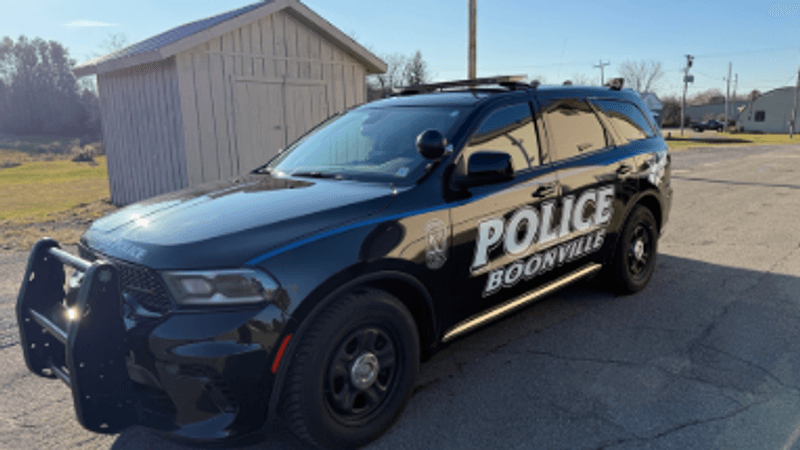
- Boonville Police Department has operated one ALPR-equipped patrol vehicle for three years in a village of 2,000 people.
- The system alerts officers to suspended registrations and uninsured vehicles but does not continuously track compliant drivers.
- Oneida County now has 58 automated license plate readers deployed across its jurisdiction.
- Local residents have raised privacy concerns, with at least one calling the technology an "invasion of privacy."
- Police defend the program as addressing repeat traffic offenders who continue driving despite multiple stops.
Small Police Force Adopts Surveillance Tech
The Boonville Police Department in upstate New York has operated automated license plate reader (ALPR) technology for approximately three years, equipping one patrol vehicle with cameras that photograph passing license plates and cross-reference them against updated databases. In a village of roughly 2,000 residents, the deployment illustrates how surveillance tools once reserved for major metropolitan areas are now standard equipment for rural law enforcement.
Sgt. Alfred Montegari, currently leading the department, said the system addresses persistent problems with uninsured motorists and suspended registrations. The technology scans plates as vehicles travel through the village on Route 12 and Main Street, alerting officers only when violations appear in the database. Compliant vehicles generate no alerts, according to Montegari.
Why it matters
The Boonville case reflects a broader trend of ALPR proliferation in small communities where residents may not expect systematic vehicle tracking. With 58 readers now operating across Oneida County, the technology creates a surveillance infrastructure that captures vehicle movements even in areas with minimal crime. The tension between traffic enforcement efficiency and privacy expectations will likely intensify as more small departments adopt similar systems.
Enforcement Focus on Repeat Offenders
Montegari emphasized that uninsured drivers represent a significant concern for the department. He described encounters with motorists stopped multiple times for identical violations who openly state they will continue driving regardless of penalties. The ALPR system helps officers identify these repeat offenders more efficiently than manual enforcement methods.
The department maintains that data collected through the system remains secure and is shared with other law enforcement agencies only upon request. Montegari acknowledged privacy concerns but argued the public safety benefits justify the technology's use.
Local Resistance to Surveillance
Not all Boonville residents support the program. James Huss, a local resident, characterized the technology as "another cash grab" and questioned whether it delivers meaningful safety improvements. He expressed concern that the system represents an invasion of privacy disproportionate to any benefits.
According to DeFlock NY, a tracking initiative that maps ALPR deployments, Oneida County hosts 58 automated readers, including the unit in Boonville. The department considers its program successful and plans to continue using the technology for traffic enforcement, though Montegari conceded that implementation challenges remain.
These details were first reported by CNY Central.