DOJ Backs Musk's xAI in Air Pollution Suit, Testing Federal Authority
Justice Department claims national security interest in unpermitted gas turbines powering Memphis AI data center, potentially limiting citizen enforcement rights.
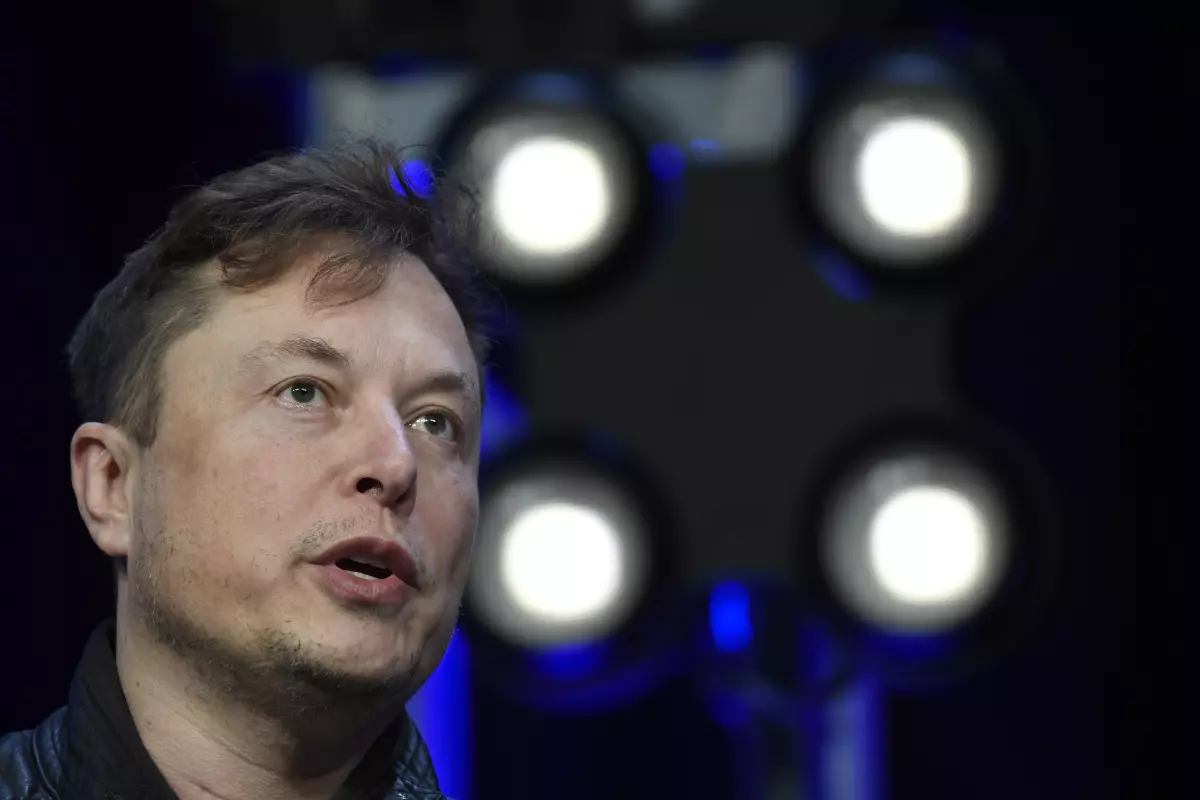
The Justice Department has entered a legal battle over unpermitted gas turbines powering Elon Musk's xAI data center, claiming national security interests that could fundamentally reshape how citizens enforce environmental laws.
The case centers on 57 gas turbines installed by xAI and its subsidiary MZX Tech LLC in Southaven, Mississippi, to power a data center complex supporting the company's Grok AI assistant in nearby Memphis. The NAACP sued over the turbines, which operate without required air permits, according to reporting first published by Bloomberg.
The Federal Intervention
Last week, DOJ attorneys moved to join the case, arguing that when the federal government chooses not to enforce pollution laws for national security reasons, local communities lose their right to sue over the resulting emissions. DOJ spokesperson Matthew Nies said the agency "is committed to enforcing environmental laws" while "balancing public interests, including national security."
The turbines were installed without permits that would have mandated pollution control technology. Mississippi officials determined no permit was necessary because the companies classified the turbines as temporary, though an EPA rule finalized in January clarifies that temporary turbines still require pollution controls.
The Pollution Impact
According to analysis by a former EPA employee providing expert testimony, the 57 turbines could emit 5,300 tons of nitrogen oxide annually, making them the region's largest source of this smog-forming pollutant. NOx emissions can worsen asthma and contribute to respiratory diseases.
Whether the turbines include any pollution controls remains unknown.
Why It Matters
The DOJ's position represents an unprecedented expansion of executive authority over environmental enforcement. If successful, the argument would allow any administration to block citizen lawsuits under the Clean Air Act whenever enforcement conflicts with political priorities or favored projects.
The Clean Air Act's citizen suit provision has served as a critical enforcement mechanism for decades. One such suit resulted in a record $97 million settlement requiring Michigan and Flint to replace lead-contaminated pipes. David Uhlmann, a former top EPA enforcement official under President Biden, warned that "any administration could try to shut down citizen enforcement whenever a case conflicts with its political priorities."
The case also has broader implications for data centers, which increasingly rely on unconventional power sources to avoid lengthy grid connection delays, and for other industries seeking to minimize pollution controls.
Laura Thoms, an Earthjustice attorney representing the NAACP, said the DOJ is attempting to claim "unilateral power to essentially veto citizen suits," adding that she has "never seen DOJ make an argument like this."
xAI general counsel James Burnham, who previously served as legal chief of the Department of Government Efficiency and held senior roles in the Trump administration, expressed gratitude for DOJ's support in a social media post.
Details were first reported by Bloomberg.
This is an original analysis by the Omega editorial team. Source reporting: AI Watch.
Want systems like this working for your business?
Book a Call
