California Mandates AI Cybersecurity Officers at Every Agency
Governor Newsom's executive directive establishes new roles and a statewide AI cyber defense program amid federal funding cuts.
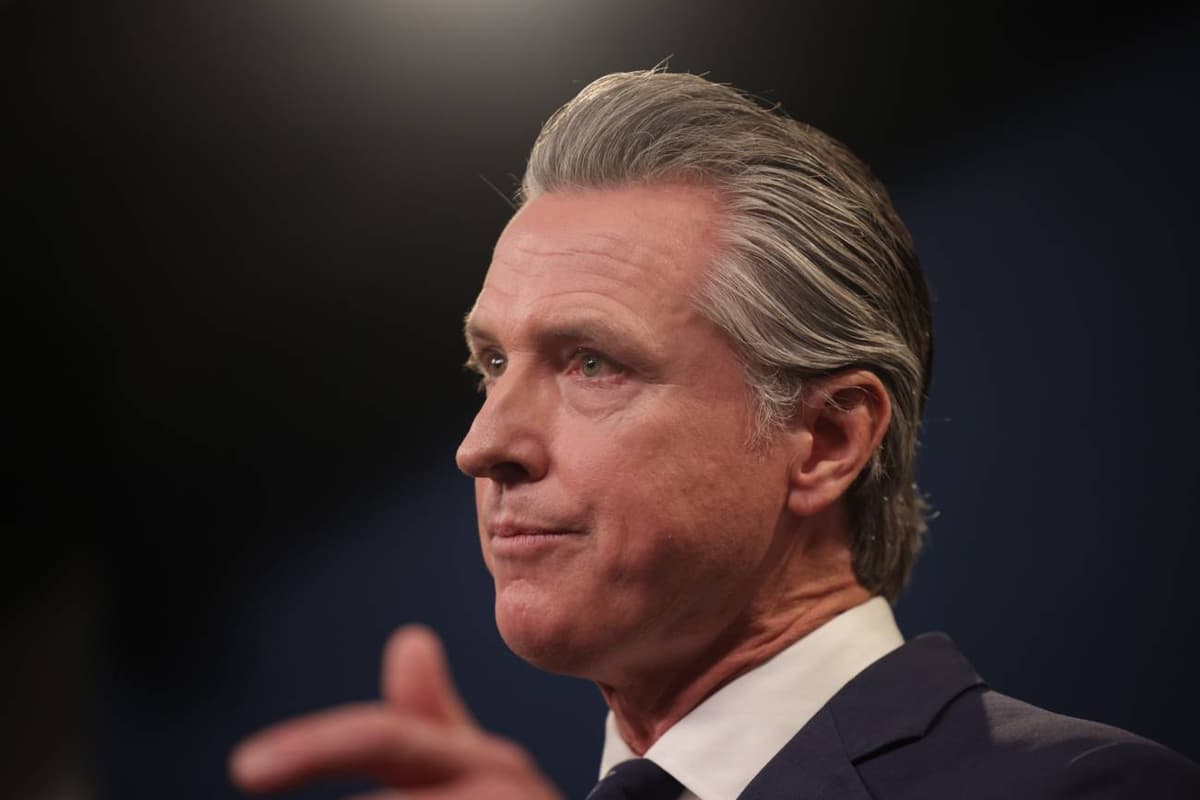
California Creates AI Cybersecurity Officer Role Statewide
California Governor Gavin Newsom this week directed every state agency to establish a new position: an AI cybersecurity officer. The mandate comes as part of a broader initiative to deploy artificial intelligence for defensive cybersecurity purposes across state government.
The directive requires agencies to build AI cyber defense programs that will be coordinated through California's Cybersecurity Integration Center. These programs are designed to leverage AI for vulnerability detection, network hardening, and incident response — capabilities the state says are necessary to counter increasingly sophisticated attacks.
Newsom also called for expanding access to AI-enabled defenses for local governments and operators of critical infrastructure, including water, power, and transportation systems.
Why It Matters
The move represents one of the most comprehensive state-level commitments to AI-powered cybersecurity infrastructure in the U.S. By embedding AI officers within every agency rather than centralizing expertise, California is betting that distributed responsibility will accelerate adoption and improve coordination. The timing also highlights growing tension between states and the federal government over cybersecurity support, as California explicitly frames the initiative as a response to reduced federal assistance.
Timing Follows Water Utility Attacks
The announcement comes weeks after coordinated cyberattacks disrupted water utility IT systems in at least a dozen states. That incident prompted multiple states to increase funding for water infrastructure security. New York, for example, raised its cybersecurity grant funding for water utilities from $2.5 million to $9 million following the attacks.
California officials cited the capacity of cyberattacks to "disrupt the essential services Californians rely on every day, including water, power, transportation, and emergency communications," according to Caroline Thomas Jacobs, director of the Governor's Office of Emergency Services.
Federal Funding Cuts Drive State Action
Newsom's office explicitly tied the new initiative to what it characterized as insufficient support from the Trump administration. The announcement detailed several federal actions that have reduced resources available to state and local governments:
- A 30% budget cut to the Cybersecurity and Infrastructure Security Agency (CISA)
- Termination of support for the Multi-State Information Sharing and Analysis Center, a nonprofit consortium that has provided network monitoring and threat intelligence services to state and local governments
The governor's office framed the state initiative as a "proactive approach" necessitated by both evolving threats and diminished federal backing.
AI as Both Threat and Defense
California officials acknowledged that artificial intelligence presents dual challenges: bad actors equipped with advanced AI models can rapidly identify and exploit security vulnerabilities, but the same technology can strengthen defensive capabilities. The state's approach aims to counter AI-fueled threats by deploying AI for defense.
The initiative builds on California's existing AI policy framework, including last year's Frontier AI Act, which requires developers to disclose safety frameworks and report critical safety incidents.
These details were first reported by StateScoop.
This is an original analysis by the Omega editorial team. Source reporting: AI Watch.
Want systems like this working for your business?
Book a Call
