DIA, Military Services Push Automation to Speed Intelligence
Defense leaders face mounting pressure to convert massive data volumes into actionable intelligence fast enough for autonomous weapons and accelerated targeting.
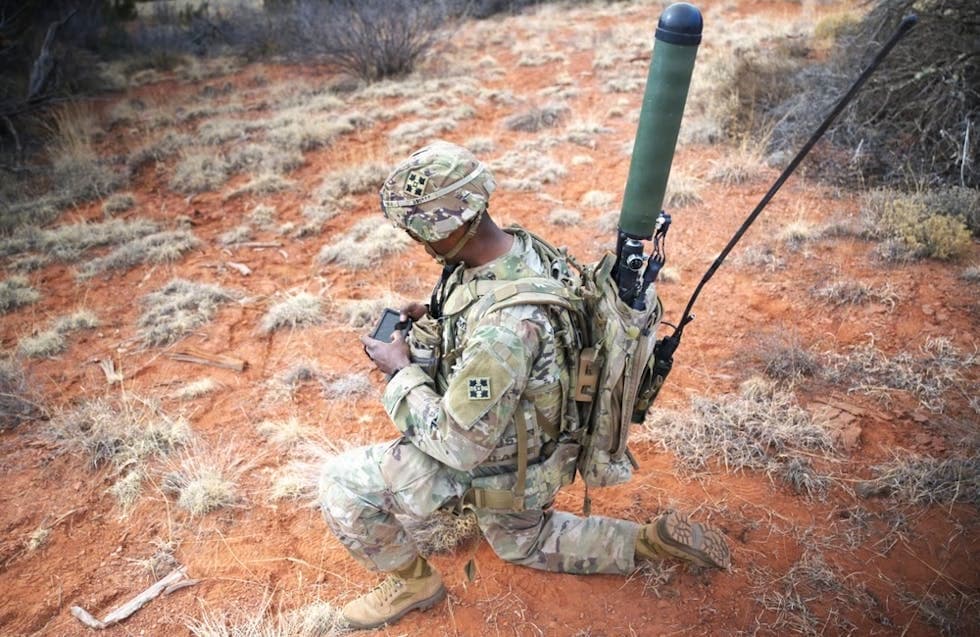
The Defense Intelligence Agency and U.S. military services are racing to solve a critical bottleneck: transforming exploding volumes of collected data into intelligence that warfighters can act on quickly enough to matter in combat operations.
The challenge has become more acute as autonomous systems and AI-enabled targeting capabilities compress decision timelines, forcing intelligence organizations to fundamentally rethink their processes.
Why it matters
As adversaries adopt emerging technologies and autonomous weapons accelerate targeting cycles, the U.S. military's traditional intelligence advantage depends on processing speed as much as collection capability. Interoperability gaps and data silos now represent operational vulnerabilities that could slow kill chains and undermine long-range strike effectiveness.
Autonomy Reshapes Intelligence Timelines
Greg Rykman, deputy director for global integration at the Defense Intelligence Agency, outlined the core problem at the Intelligence and National Security Summit in Bethesda, Maryland, this week. While U.S. intelligence collection capabilities continue advancing, the resulting data volumes are overwhelming analysts.
"We have better collection, more sophisticated collection, more data available … and that's good. But we're struggling with that," Rykman said, according to details first reported by Automation Watch.
Autonomous systems are fundamentally changing target acquisition speed, requiring intelligence agencies to produce assessments with sufficient fidelity to support increasingly fast targeting systems. The shift demands processing and evaluating more information in less time than traditional intelligence cycles allowed.
Interoperability Blocks Intelligence Flow
Beyond speed, accessibility remains a persistent challenge. Information stays siloed because tools, algorithms, and processes used across different systems don't work seamlessly together, Rykman noted. Even with established dynamic targeting processes, interoperability issues prevent intelligence from reaching decision-makers quickly enough to remain operationally useful.
Service-Specific Automation Efforts
Each military service is pursuing distinct automation initiatives aligned with their operational requirements:
The Air Force is conducting experiments with intelligence agencies and joint partners to create automated target custody capabilities and predictive sensor queuing using live sensors. Lt. Gen. Max Pearson, deputy chief of staff for intelligence, said the service prioritizes establishing and maintaining custody of strategic global assets at the speed and scale required for long-range kill chains.
The Navy is focusing automation efforts on its Intelligent Fires precision-guided weapons program and improving tools for managing data volumes. Rear Adm. Mike Brookes, commander of the Office of Naval Intelligence, emphasized ensuring sailors have both training and technology to convert collected data into actionable intelligence that supports maritime security, deterrence, and flexible power projection.
The Army is deploying AI-enabled automated target recognition to compress kill chains from brigade and division levels through theater operations. Lt. Gen. Michelle Schmidt, Army deputy chief of staff for intelligence, said the goal is enabling forces to "see, understand, decide, and act much faster than any adversary." The Army is also prioritizing intelligence support for force protection, including counter-UAS operations and ballistic missile defense.
The details were first reported by Automation Watch following the AFCEA and INSA summit.
This is an original analysis by the Omega editorial team. Source reporting: Automation Watch.
Want systems like this working for your business?
Book a Call
