Cloudflare's AI Codex Blocked 16,000 Code Merges in Four Months
The company built a machine-readable standards library that AI agents use to enforce engineering rules across design, code review, and incident response.
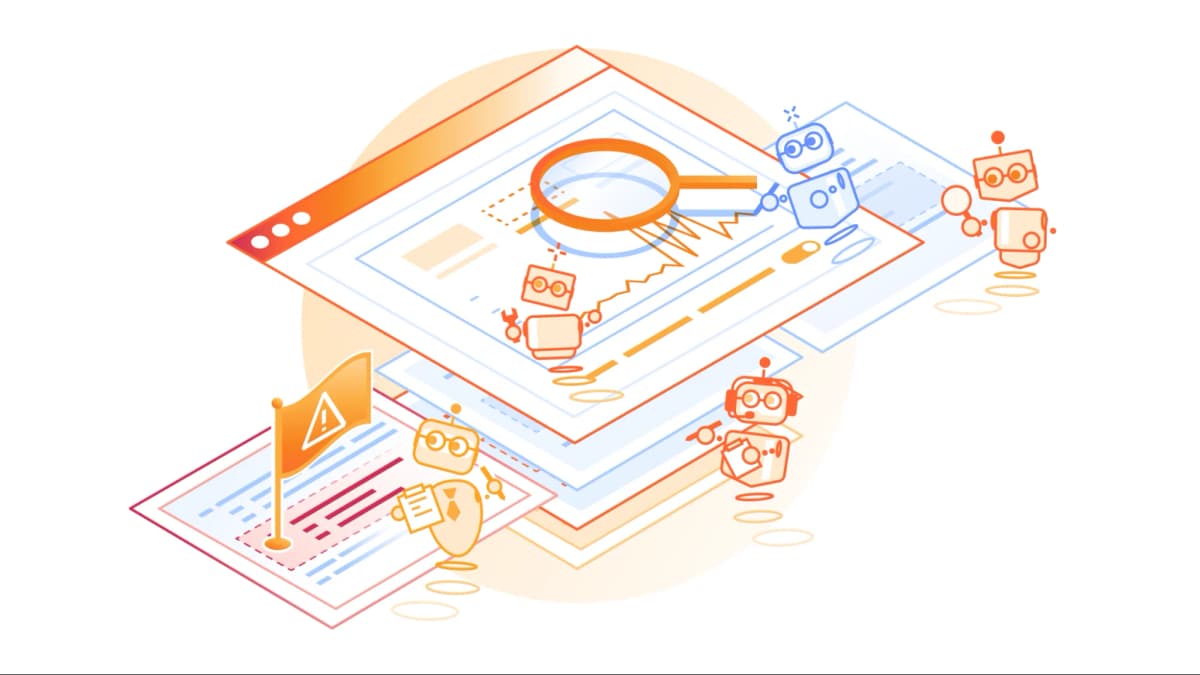
Cloudflare has deployed AI agents that enforce engineering standards by consulting a centralized knowledge base called the Codex, blocking thousands of code merges and reviewing hundreds of technical designs before implementation begins.
Since launching the system, Cloudflare's AI code reviewer has identified nearly 230,000 deviations from company engineering standards and withheld approval on approximately 16,000 merge requests. A separate spec reviewer agent has evaluated close to 600 technical design documents against the same standards, according to details first reported by Cloudflare.
Why it matters
Most organizations struggle to consistently apply engineering standards as they scale. Cloudflare's approach demonstrates how AI agents can enforce institutional knowledge at the point of work rather than relying on human reviewers to catch every violation. The system addresses a common problem: guidance scattered across documentation, chat threads, and individual engineers' memories becomes impossible to apply uniformly across hundreds of projects.
Building a machine-readable standards library
The Cloudflare Codex organizes engineering standards into governed domains covering architecture, security, reliability, and specific programming languages. Each domain has an owner responsible for content quality and consistency.
Standards follow an RFC format using the keywords SHOULD and MUST as defined in RFC 2119. Any employee with relevant expertise can propose new standards through a merge request that passes through multiple review rounds before a domain owner grants final approval.
Rather than feeding entire RFC documents to language models, Cloudflare built an agent that extracts SHOULD and MUST statements into structured JSON with stable identifiers. This approach reduces context window pressure while enabling agents to filter content accurately. Each statement includes metadata like section location and enforcement level, with plans to add software development lifecycle stage indicators.
Three agents in production
The AI code reviewer evaluates merge requests for Codex compliance, distinguishing between approved RFCs that generate non-blocking recommendations and enforced RFCs where unsatisfied MUST requirements block merges. To reduce review latency, Cloudflare also provides language-specific linter packages aligned with Codex specifications and a command-line interface for local reviews.
The spec reviewer runs as a Cloudflare Worker, scanning technical design documents before implementation begins. It has completed over 3,200 review runs since May 2025, with 65% of findings rated major severity and 6% critical. The system filters the Codex to focus on design and architecture requirements while excluding implementation-specific guidance.
An incident report reviewer applies the same architecture to postmortems, checking completeness and evaluating whether reports clearly explain root causes and propose meaningful follow-up actions. Since May 2025, it has assessed more than 200 incident reports, with mandatory reviews now required for high-severity incidents.
Expanding beyond engineering
Cloudflare plans to extend the Codex model throughout the software development lifecycle and beyond engineering teams. Product, security, compliance, and trust and safety groups are beginning to add their own standards to enable agents to evaluate work against broader organizational considerations.
The company is also exploring increased agent autonomy, with plans for agents to propose fixes in addition to identifying issues, while engineers retain responsibility for reviewing and approving changes.
These details were first reported by Cloudflare in a blog post about their engineering standards enforcement system.
This is an original analysis by the Omega editorial team. Source reporting: AI Watch.
Want systems like this working for your business?
Book a Call