Caterpillar Invests $100M to Train Workforce in AI and Robotics
The heavy equipment maker is leveraging decades of mining automation experience to expand AI across construction and internal operations.
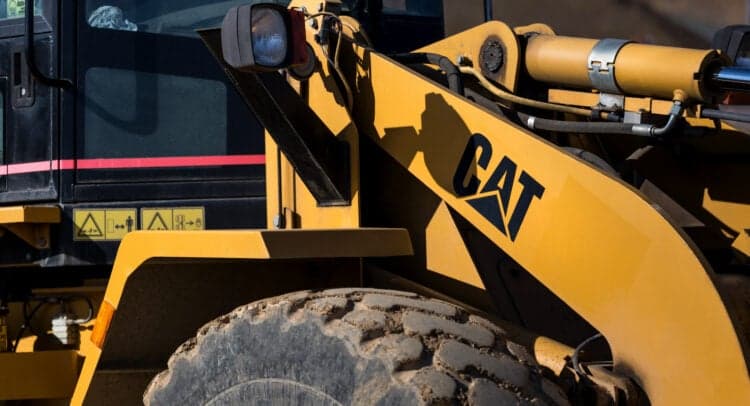
Caterpillar is channeling its extensive experience with autonomous mining equipment into a comprehensive AI expansion strategy that spans workforce development, product innovation, and internal operations.
The heavy equipment manufacturer announced it will invest $100 million over five years to train its entire 118,000-employee workforce in artificial intelligence, robotics, and autonomous technology. The initiative comes as the company reports record financial performance, with second-quarter revenue reaching $20.5 billion and power-generation sales surging 72% to $3.1 billion.
From Mines to Construction Sites
Caterpillar's AI journey began in mining operations, where labor shortages and hazardous working conditions created natural use cases for automation. The company now manufactures autonomous haul trucks, automated drilling equipment, and remote-controlled machinery, along with fleet management software for mining customers.
The company is now working to transfer those capabilities to more dynamic environments like construction sites and quarries, where conditions change frequently and present greater complexity than controlled mining operations. According to TechCrunch, which first reported the details, this expansion represents a significant technical challenge beyond Caterpillar's established automation portfolio.
AI-Powered Tools for Technicians
Caterpillar has developed the Cat AI Assistant, a voice-activated system that allows technicians working alongside equipment to access repair instructions, diagnose problems, and identify necessary parts before beginning maintenance work. The tool draws on an extensive data foundation: CTO Jaime Mineart noted the company has approximately 1.6 million connected assets worldwide and more than 16 petabytes of structured data.
Internally, Caterpillar is deploying AI to create digital twins of manufacturing facilities for operational analysis. The company's software development teams are using AI agents to modernize legacy code, generate new code, and identify bugs earlier in the development cycle.
Why it matters
Caterpillar's dual position as both an AI adopter and infrastructure supplier illustrates how established industrial companies are navigating the technology transition. The $100 million workforce training investment signals that AI implementation requires substantial human capital development, not just technology deployment. Meanwhile, the company's data center equipment sales demonstrate how AI demand is creating immediate revenue opportunities even as longer-term automation capabilities develop.
Wall Street analysts maintain a Moderate Buy rating on Caterpillar stock, with an average price target of $1,003.23 representing potential upside of approximately 27%, based on six Buy and eight Hold ratings issued in the past three months.
The details of Caterpillar's AI strategy were first reported by TechCrunch.
This is an original analysis by the Omega editorial team. Source reporting: Automation Watch.
Want systems like this working for your business?
Book a Call