Caterpillar Expands Mining Automation to Construction Sites
The industrial giant is investing $100 million to train 118,000 employees in AI and autonomous systems as it scales proven mining tech across broader operations.
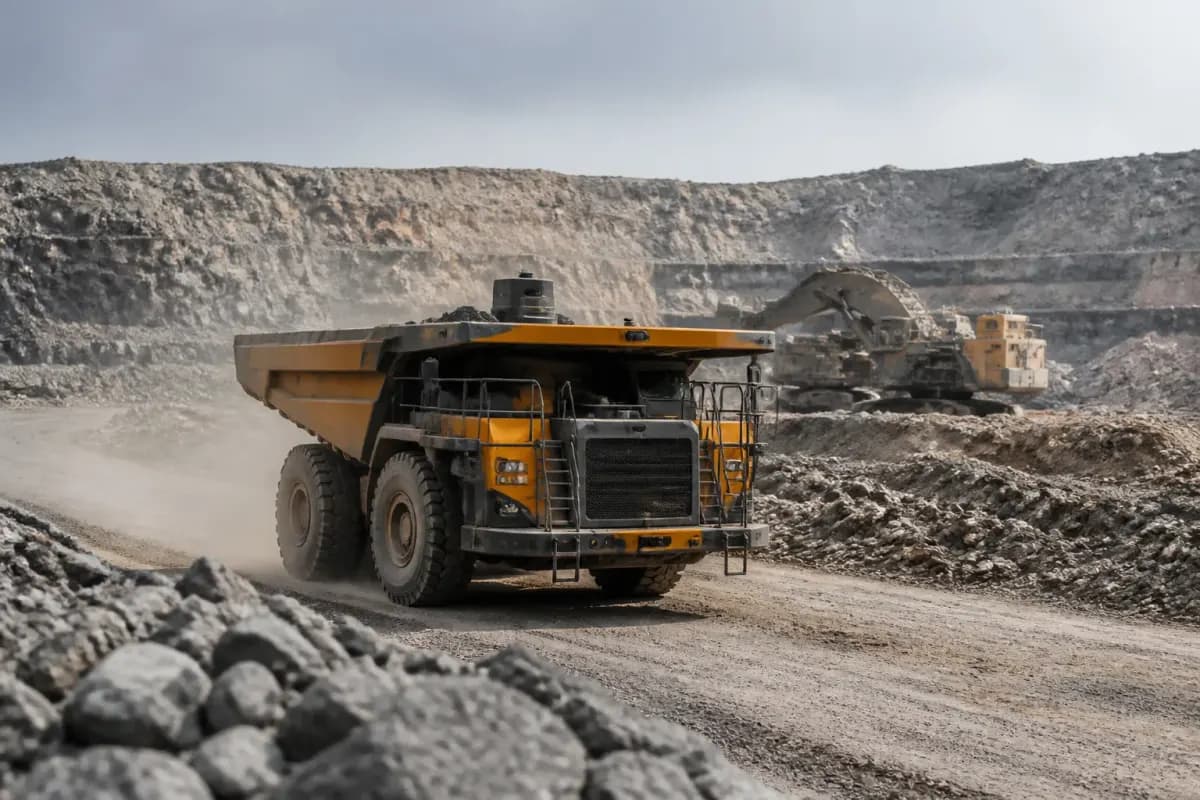
From Mines to Mainstream Construction
Caterpillar is leveraging years of autonomous mining equipment development to bring AI-powered systems to construction sites and quarries, according to details first reported by TechCrunch. The company plans to invest $100 million over the next five years to train its 118,000-person workforce in artificial intelligence, autonomous technologies, and robotics.
The industrial equipment manufacturer initially developed automation for mining operations, where labor shortages and dangerous working conditions created strong incentives for remote and autonomous systems. That portfolio now includes automated haul trucks for quarries, drilling equipment, underground loaders, bulldozers, and remotely controlled construction machinery.
Why It Matters
Caterpillar's move signals that autonomous systems proven in controlled mining environments are ready for the complexity of dynamic construction sites. With 1.6 million connected assets generating 16 petabytes of structured data worldwide, the company has the operational scale to train AI systems that could reshape how construction projects are executed—potentially addressing persistent labor shortages while improving safety and efficiency across the industry.
AI Assistant for Field Repairs
One practical application already in customer hands is the Cat AI Assistant, which allows field technicians to use voice commands while standing next to equipment. The tool provides repair procedures, diagnoses potential faults, and identifies necessary parts before work begins. Chief Technology Officer Jaime Mineart confirmed the assistant is currently used by customers, operators, and technicians.
The system draws on Caterpillar's proprietary data from its fleet of connected machines. Beyond field repairs, the company is deploying AI for site scanning and digital twin creation in manufacturing, corporate operations, and software development. AI agents are also being used to modernize legacy code, accelerate software testing, and detect defects earlier in development cycles.
Integration Challenges and Workforce Transition
Mineart emphasized that the technical challenge extends beyond creating autonomous systems to integrating them into existing customer workflows. Experienced operators play a crucial role in training AI systems, and the company envisions some employees transitioning from operating individual machines to supervising multiple pieces of equipment from remote command centers.
Caterpillar's autonomous solutions include a software command center, fleet management systems, and remote terrain analysis tools designed to support this operational shift.
The company reported record quarterly revenue of $20.5 billion in the second quarter, with its energy equipment division seeing 72% sales growth to $3.10 billion, driven primarily by data center equipment demand.
These details were first reported by TechCrunch.
This is an original analysis by the Omega editorial team. Source reporting: Automation Watch.
Want systems like this working for your business?
Book a Call
