Policy
California Bans Waymo Robotaxis from Highways After Safety Incidents
The state DMV cited construction zone violations and interference with emergency vehicles as reasons for the immediate prohibition.
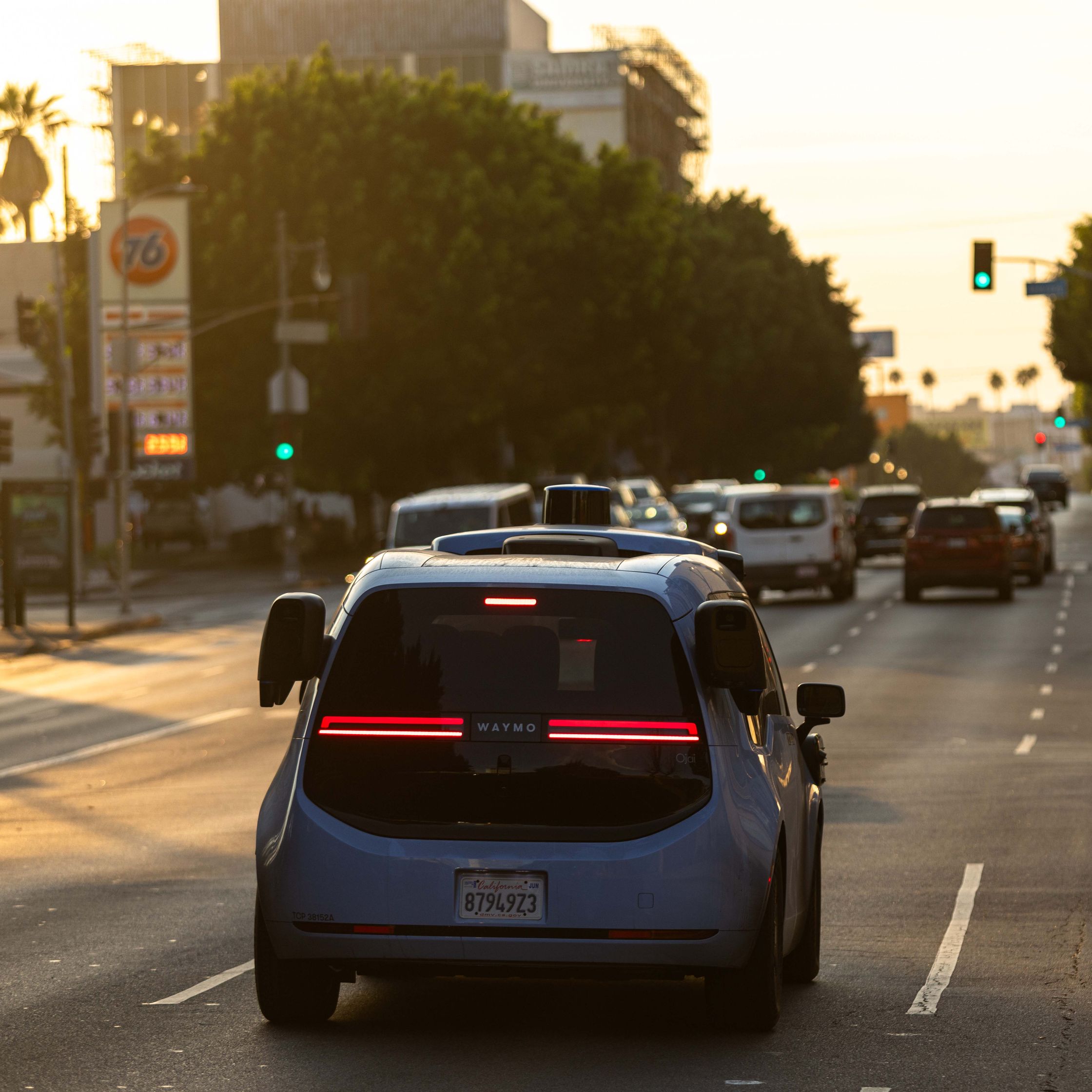
Key takeaways
- California's DMV banned Waymo robotaxis from state highways on November 11, citing imminent public safety hazards.
- The action followed incidents where Waymo vehicles entered construction closures and interfered with highway patrol operations.
- Waymo has suspended highway driving in all markets but continues operating on surface streets in 15 metro areas.
- This is Waymo's second highway restriction since launching freeway service, following a June software recall for construction zone recognition failures.
- Construction zones remain a persistent challenge for autonomous vehicles due to variable layouts that are difficult to program reliably.
California Halts Waymo's Highway Operations
California regulators have prohibited Waymo's autonomous vehicles from operating on state highways, marking a significant setback for the robotaxi company's expansion efforts. The California Department of Motor Vehicles implemented the ban on November 11 after determining that Waymo's freeway driving presents "an imminent hazard to public safety," according to DMV spokesperson Jonathan Groveman.
Waymo has responded by suspending highway operations across all its markets nationwide, though the company can continue testing on non-California highways with human safety drivers present. The company's robotaxis will continue serving customers on surface streets in the 15 metropolitan areas where it operates, including Los Angeles, San Diego, and the San Francisco Bay Area.
Why It Matters
This enforcement action highlights the ongoing challenges autonomous vehicle companies face in handling complex, dynamic road scenarios that human drivers navigate intuitively. Construction zones remain a persistent weak point for self-driving systems, and California's willingness to impose immediate operational restrictions signals that regulators are taking a more assertive stance on AV safety as these services scale. For Waymo, which has positioned itself as the industry leader in commercial robotaxi deployment, the highway ban constrains a key competitive advantage and raises questions about the readiness of current autonomous systems for all driving conditions.
The Triggering Incidents
Two recent events prompted California's action. In one case, three Waymo vehicles entered an active construction closure on Route 101 on the San Francisco Peninsula. A second incident, captured in a viral video, showed a Waymo robotaxi interfering with California Highway Patrol officers attempting to execute a "traffic break" to clear crash debris from a San Francisco highway.
The DMV stated the ban will remain until Waymo demonstrates it has implemented "effective corrective actions to address the deficiencies" behind these incidents. No timeline has been established for when operations might resume.
A Recurring Problem
This marks the second time Waymo has restricted its highway operations since launching passenger service on freeways last year. In June, the company recalled its software after the National Highway Traffic Safety Administration identified failures in recognizing highway construction zones. Federal regulators documented multiple incidents in April and May where Waymo vehicles drove past closure signs and into active work zones, though no collisions or injuries resulted.
NHTSA is also investigating whether a previous software recall adequately addressed separate safety issues. That December recall involved Waymo vehicles repeatedly failing to stop for school buses with activated lights and extended stop arms.
The Construction Zone Challenge
Construction zones have proven particularly difficult for autonomous driving systems for over a decade. These areas vary widely in layout and signage depending on the type of work being performed. While human drivers readily interpret temporary barriers, signs, and directional indicators, the lack of standardized configurations has made reliable software programming elusive. The challenge intensifies on highways, where construction workers operate alongside traffic moving at high speeds.
Waymo spokesperson Dana Gallagher told WIRED the company is "working with the California DMV and other state officials diligently and responsibly to resume freeway operations."
These details were first reported by WIRED.